
Picture this: the final ball of a T20 match. Tension builds as the batter faces a full toss. He swings hard. The ball sails over the boundary for six. The crowd erupts. Your team wins by one run. Moments like these make cricket addictive.
Yet scoring confuses many new fans. How does scoring work in cricket matches? It boils down to runs from batters, extras from fielding errors, and wickets that end innings. Teams build totals across overs in formats like Test, ODI, or T20. You add batter runs and extras for the team score.
By the end, you’ll read any scoreboard. You’ll spot big hits, track bowler mistakes, and predict wins. Let’s break it down step by step, starting with the basics of runs.
Mastering Runs: Running, Fours, and Sixes Explained
Batters score most runs. They hit the ball and run, or send it to the boundary. These methods build innings totals. Fans cheer loudest for boundaries, but steady running wins long games.
Runs matter because they set targets. A strong total pressures the chasing team. Watch live, and you’ll see batters rotate strike for singles. Power hitters aim for boundaries to accelerate.
For deeper rules on runs and boundaries, check DAZN’s guide to fours and sixes.
Running Between the Wickets for Steady Points
Batters run between two sets of stumps, called wickets. Each full run from one end to the other scores one point. They can complete one, two, or three runs per hit, sometimes more.
Fielders chase the ball fast. They throw to hit the stumps. If a batter hasn’t crossed safely, it’s a run-out. That ends the batter’s innings.
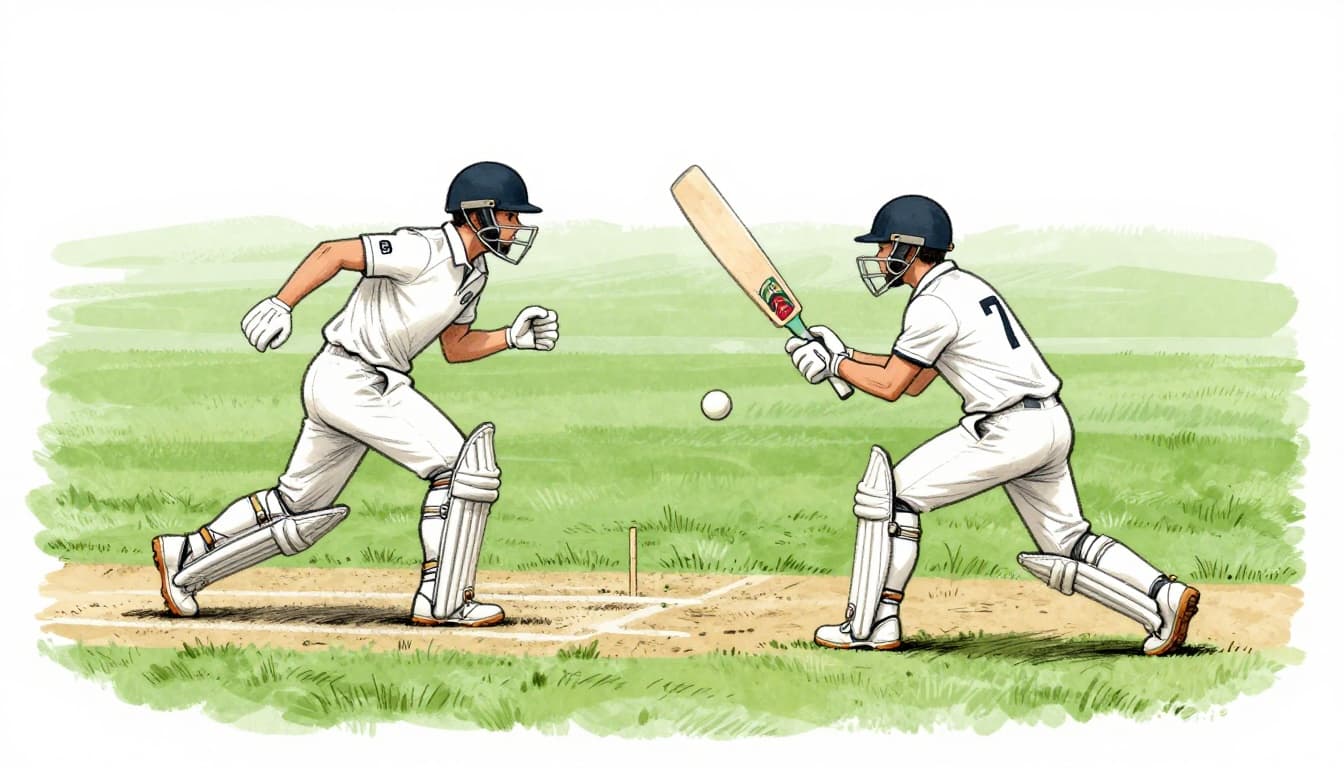
Teams build patiently this way. Openers take singles to rotate. Quick runners turn twos into threes. Good calling prevents mix-ups. In Tests, this grinds down bowlers over days.
Boundaries: The Quick 4-Run Reward
Hit the ball to the boundary rope. If it bounces or rolls, score four runs. No need to run. Fielders dive, but they can’t stop automatic points.
Boundaries speed up scoring. Batters save energy for big shots. Most ODIs feature over 200 fours combined. That’s why chases explode late.
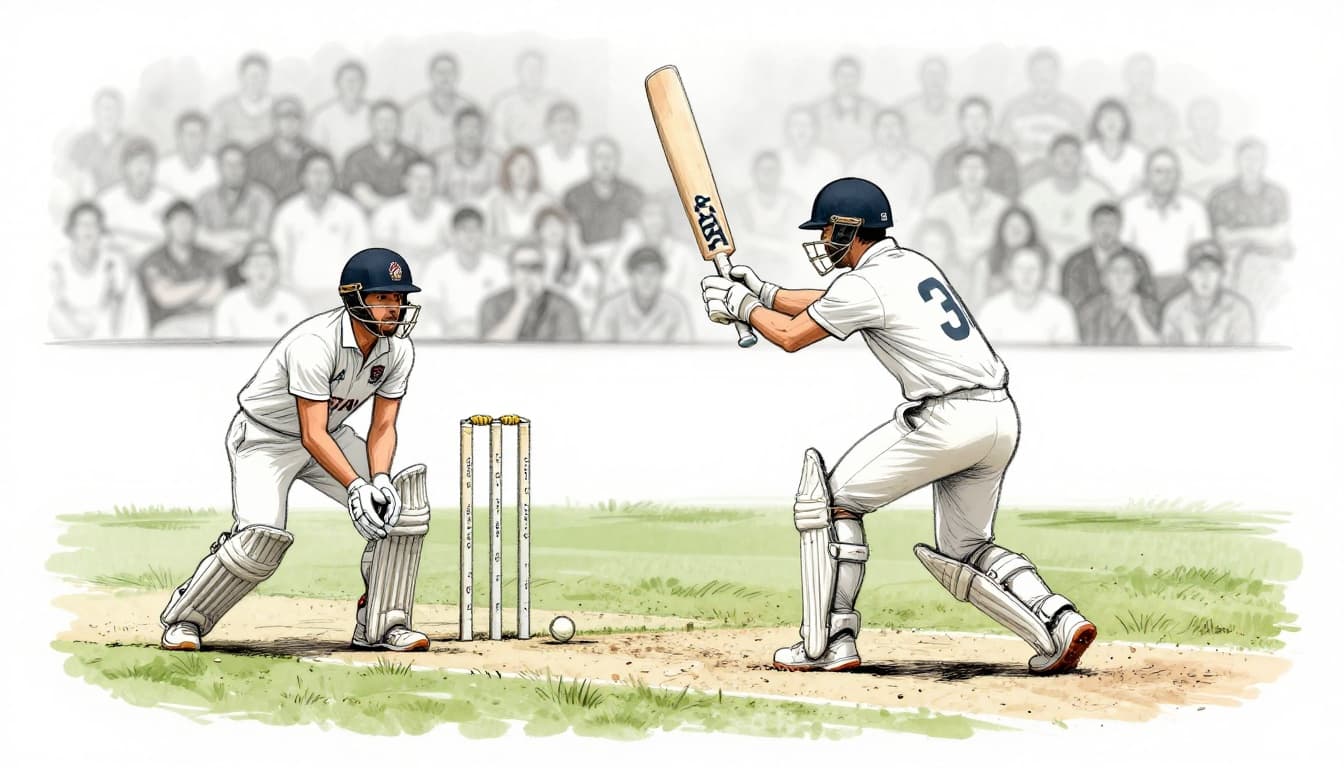
Spot them easily. The umpire signals by waving both arms side to side. Fielders signal too if unsure. This quick reward shifts momentum.
Sixes: The Spectacular 6-Run Home Runs
Clear the boundary on the full. No bounce. That’s six runs. The ball flies out of the stadium sometimes.
Power-hitters dominate T20s. In the 2026 T20 World Cup, players like Rahmanullah Gurbaz hit seven sixes in one innings. It thrills crowds and ends overs fast.
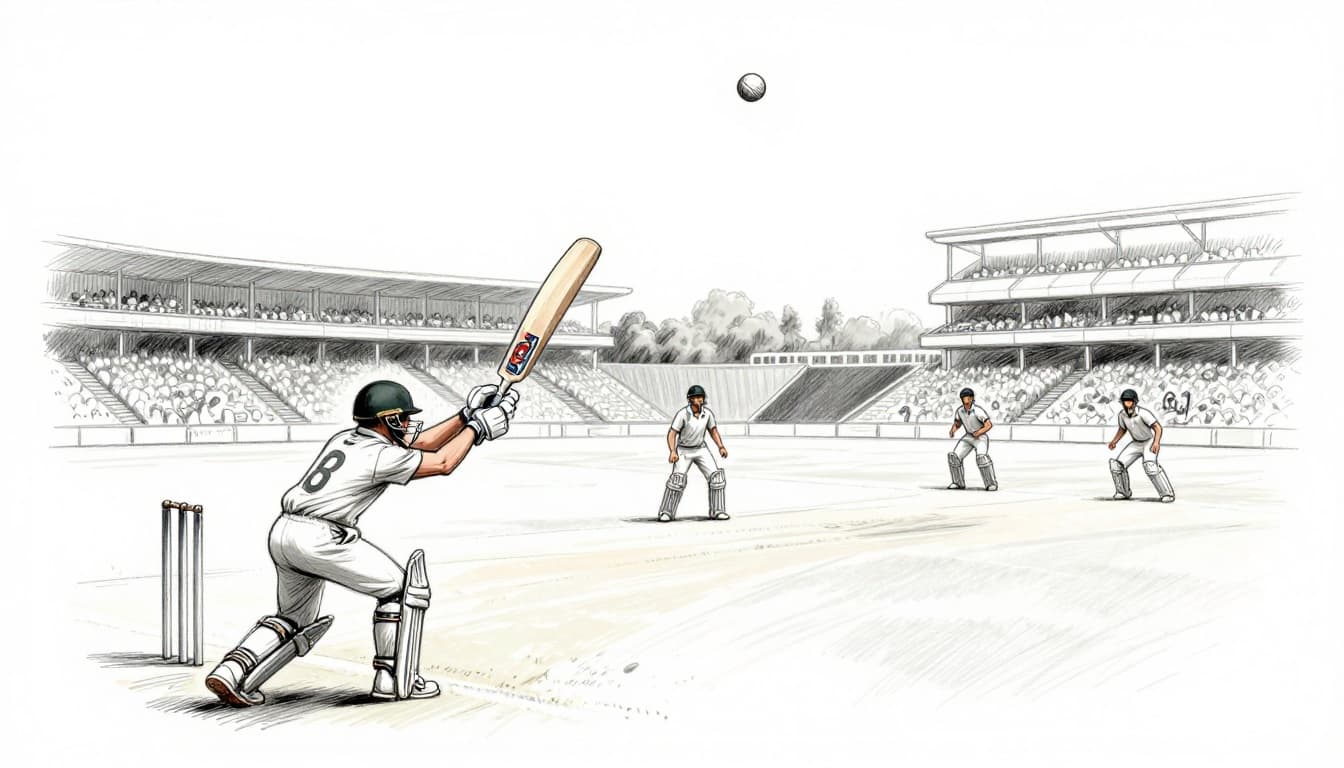
One per ball max. Bowlers adjust lengths to prevent them. Yet in short formats, sixes decide games.
Extras: Bonus Runs When Bowlers Mess Up
Extras add free runs to the team total. They don’t count for batters. Fielders hate them because they leak points without bat contact.
Bowlers aim for clean lines. Errors frustrate captains. Extras often tip close contests. Total score equals batter runs plus these bonuses.
See Sportrulez’s breakdown of extras like byes and no-balls.
No-Balls and Wides: Pitching Penalties
No-ball happens when the bowler’s front foot crosses the line. Umpire raises one arm high. It adds one run, and the team faces a free hit next. No dismissals except run-outs.
Wides go too far from batter’s reach. Same penalty: one run plus re-bowl. Batters can’t score off wides easily.
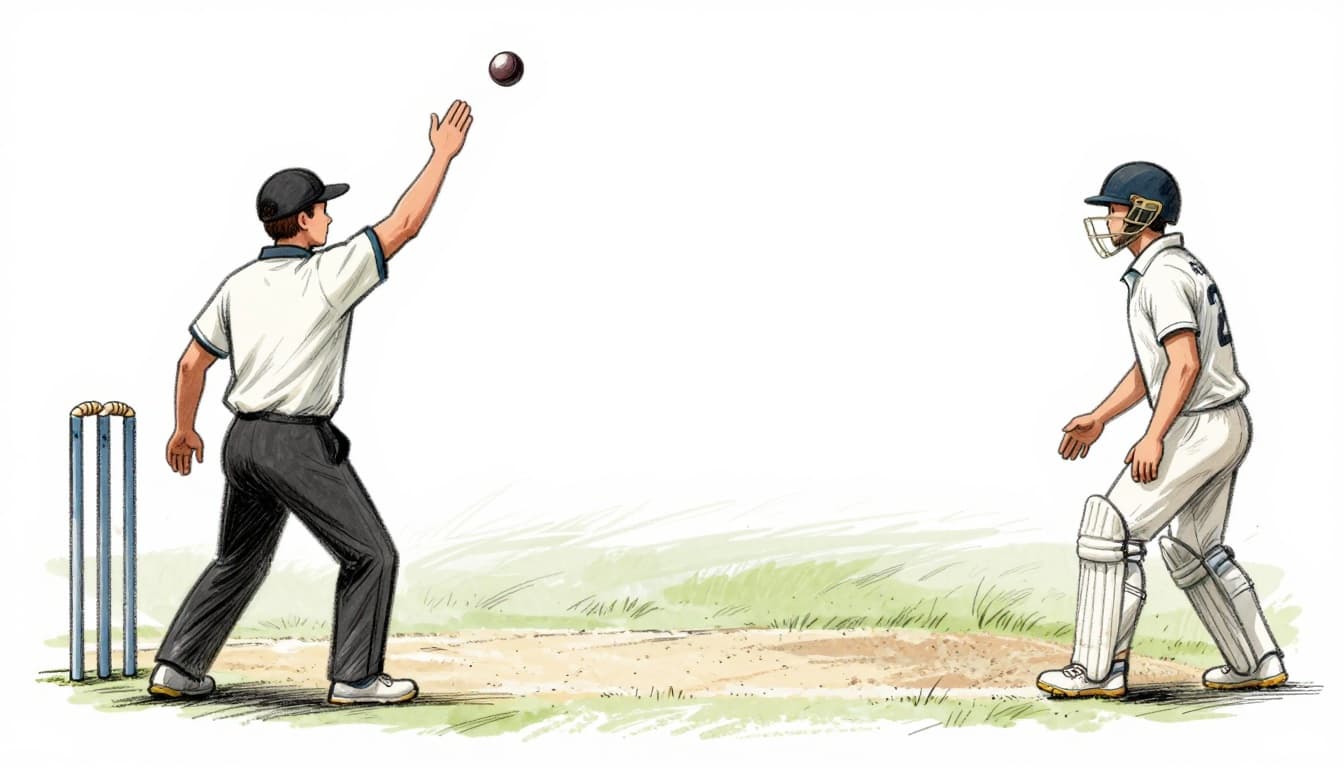
Both don’t count in the over. Bowlers repeat the delivery. Pressure builds after multiples.
Byes and Leg Byes: Runs Off the Body
Byes occur when the ball misses bat and keeper. Runners complete exchanges. Those runs go to extras.
Leg byes hit the batter’s pad or body first. Not off the bat. Umpire signals by touching leg. Runs count as extras still.
Fielders back up quick. These add up quietly. Smart teams pressure keepers for more.
Wickets: How Batters Get Sent Back to the Pavilion
Wickets fall when batters get out. Ten per innings max. Each loss slows scoring. Bowlers celebrate finger points skyward.
Common outs halt momentum. Captains rotate attacks to force errors. Innings end at ten down.
Common Dismissals Every Fan Should Spot
Bowled: Ball hits stumps. Bails fly off.
Caught: Fielder grabs airborne ball before ground. Like a baseball fly-out.
LBW, or leg before wicket: Ball hits leg, would hit stumps. Umpire raises finger after checks. It’s debated often.
Umpires signal clearly. Bowled taps head. Caught raises finger then softens arms for catch.
Run Outs and Stumpings: Speed Kills
Run-out: Fielder breaks stumps with ball before runner safe. Direct hits shine.
Stumped: Keeper removes bails as batter out of crease off spinner. Quick gloves end innings.
Fielding stars thrive here. Risky running costs games.
Overs, Innings, and Formats: The Game’s Backbone
An over equals six legal balls from one bowler. Then rotate ends. Innings last until ten wickets or overs finish.
Formats change pace. Test builds slow. Limited overs race. Scoreboards track all.
Details on cricket formats from Sportrulez.
What Counts as an Over and Why It Matters
Only fair deliveries count. No-balls and wides reset. Bowler switches after six.
This paces games. Captains save stars for death overs. Track remaining to predict pressure.
Test vs ODI vs T20: Scoring Differences
Test: Two innings each, up to five days. Unlimited overs. Draws possible. Focus endurance; totals like 400-500 common.
ODI: One innings, 50 overs per side. Balanced attack. Scores around 250-350.
T20: One innings, 20 overs. Explosive. Totals 150-200, with sixes galore.
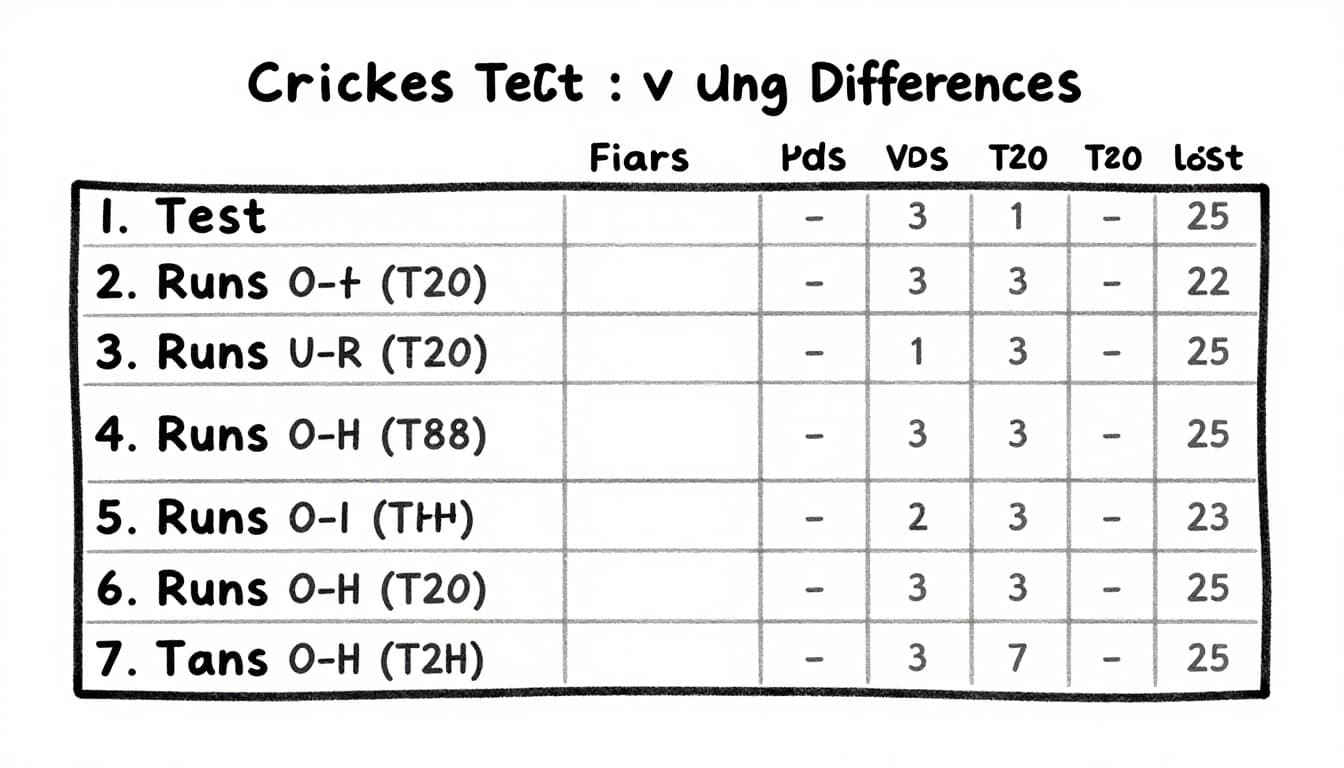
| Format | Innings per Team | Overs | Typical Total | Key Trait |
|---|---|---|---|---|
| Test | 2 | Unlimited | 300-500 | Patience |
| ODI | 1 | 50 | 250-350 | Balance |
| T20 | 1 | 20 | 150-220 | Power |
Tests reward defense. T20 favors aggression. No 2026 scoring shifts yet.
Chasing Victory: Targets, Ties, and Tiebreakers
First team sets target. Second chases. Win by runs or wickets remaining.
Ties rare. Super overs decide. Rain uses DLS method.
Learn DLS basics on Wikipedia.
Setting and Chasing Targets in Limited Overs
Post 300 in ODI? Chase needs steady start. Defend by taking wickets early.
Wickets in hand matter late. Predict with run rate.
Super Overs and Rain Rules for Fair Finishes
Tie? Bowl one over each. Most runs wins. Repeat if needed.
Rain cuts overs. DLS adjusts target by resources left. Fair for interruptions.
Recent MCC tweaks clarify overs, but scoring stays same.
Mastering cricket scoring opens the game. Runs from bat and boundaries build totals. Extras sneak in from slips. Wickets check aggression. Formats shape strategy; chases add drama.
Next match, grab a scorecard. Spot a six or LBW call. Share your favorite scoring moment in comments. Subscribe for more guides.
FAQ: What’s a golden duck? First ball out. Brutal start.