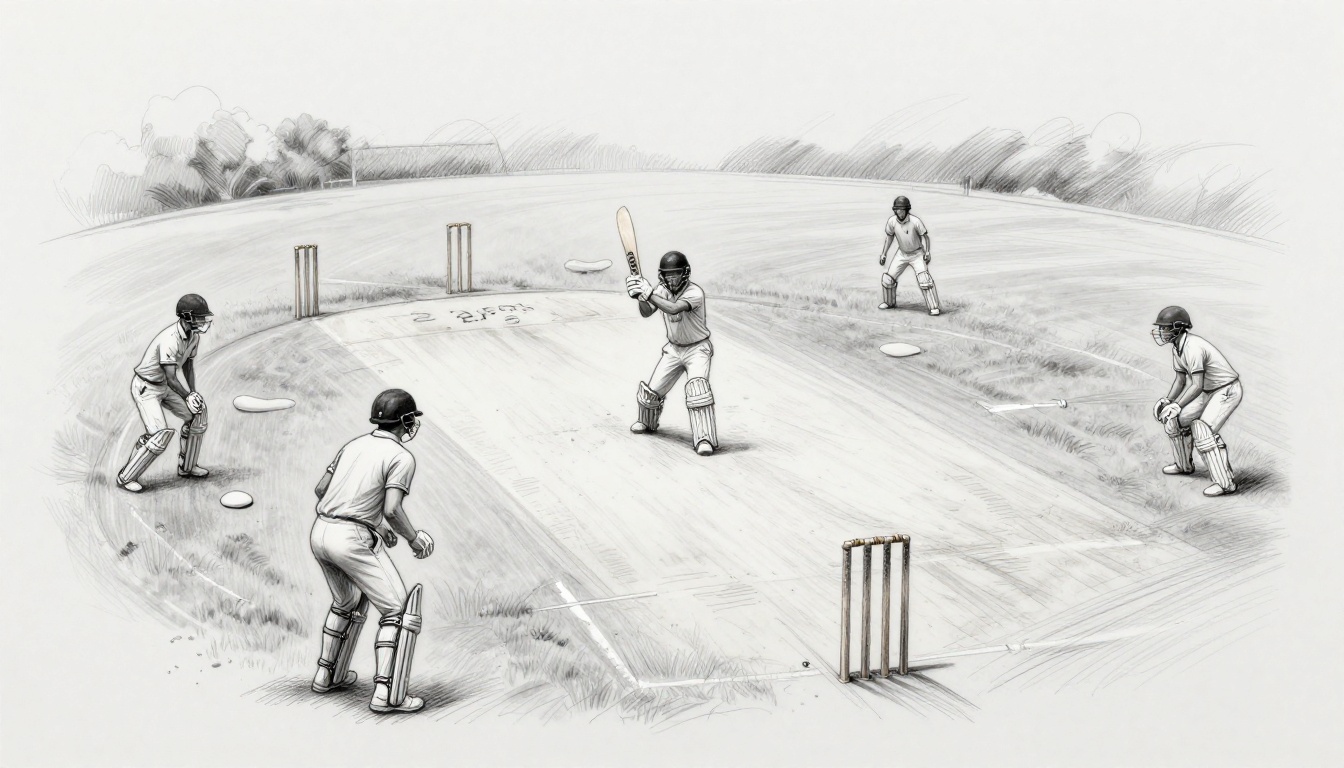
Cricket draws over 2.5 billion fans worldwide. It’s exploding in the US too, thanks to Major League Cricket and the ongoing ICC Men’s T20 World Cup in March 2026. You might feel lost watching a match, with its unique rules and lingo.
This guide breaks it down simply. You’ll learn the field setup, player roles, how runs score, ways batsmen get out, and match types. No overload of terms. By the end, you’ll feel ready to enjoy your first game.
Picture the Cricket Field: Pitch, Wickets, and Boundaries
Imagine an oval field, like a giant baseball diamond but much larger. At the center sits the pitch, a straight strip 22 yards long and 10 feet wide. This is where all action happens.
Two wickets stand at each end of the pitch. Each wicket has three wooden stumps topped by two bails. Batsmen guard these wickets from the bowler’s attack.
The boundary rope circles the field, about 60 to 70 yards from the pitch. Hit the ball there, and you score big. Fielders spread out to stop runs.
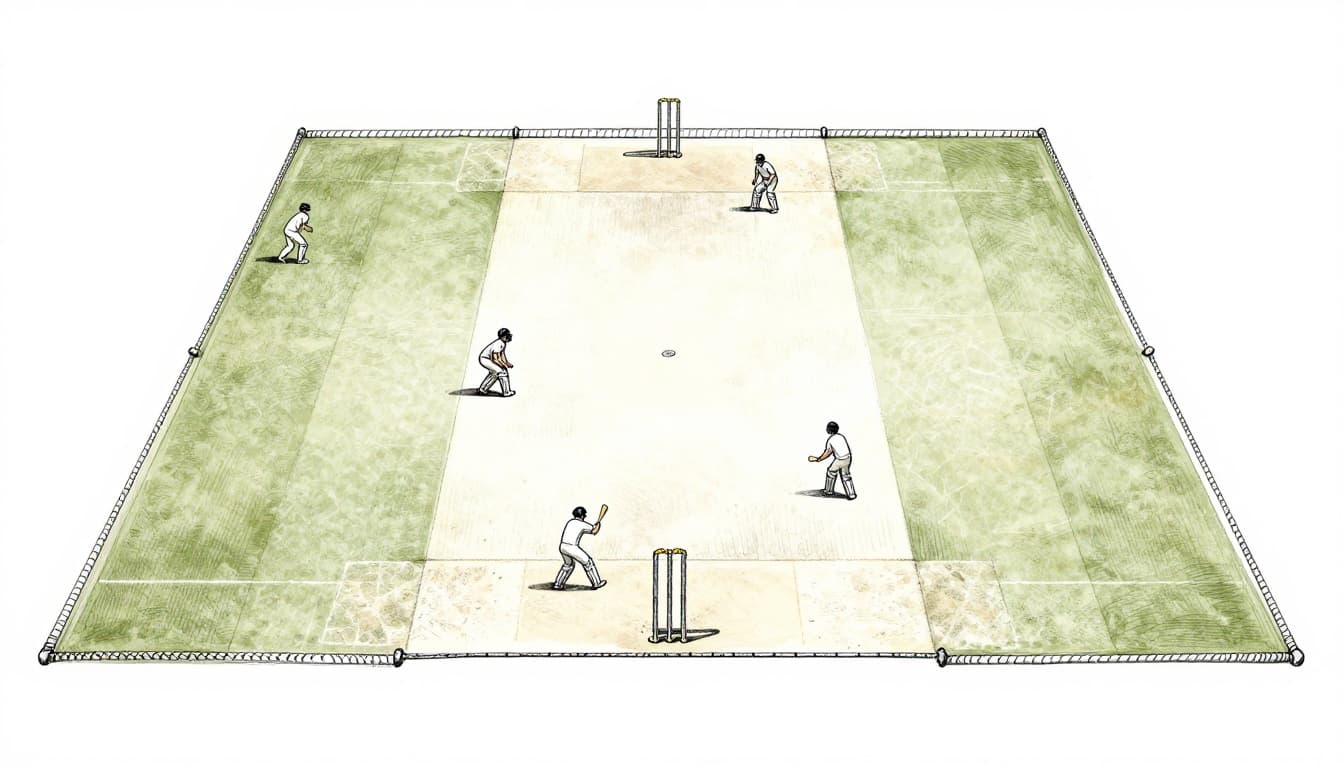
Check this cricket pitch dimensions guide for exact measurements.
The Pitch and Wickets Up Close
The pitch looks prepared, often with grass or artificial turf. It’s 22 yards from wicket to wicket, so bowlers run that distance to deliver.
Each set of stumps stands 28 inches tall. Bails balance lightly on top, ready to fall. Bats can reach 38 inches long, flat on one side for hitting.
One batsman guards his wicket. He faces the bowler from the opposite end. This setup forces focus and quick reactions.
Boundaries and Where Fielders Stand
A ball reaching the boundary after bouncing scores four runs. If it flies over without bouncing, that’s six runs. No need to run; points add automatically.
Eleven fielders total on the pitch. That includes the bowler, wicketkeeper, and nine others. The captain picks spots like slips near the batsman or mid-off farther out.
Fielders chase hard. Their positions create strategy. Good placement stops boundaries and catches balls.
Starting a Cricket Match: Toss, Innings, and Player Roles
Every match begins with a coin toss. The winner picks to bat or field first. Teams switch roles later.
Each team gets an innings, their turn to bat. Two batsmen always face the bowler. He bowls six legal balls, called an over.
After each over, ends rotate. The non-striker crosses to the bowler’s end. Fielders shift too.
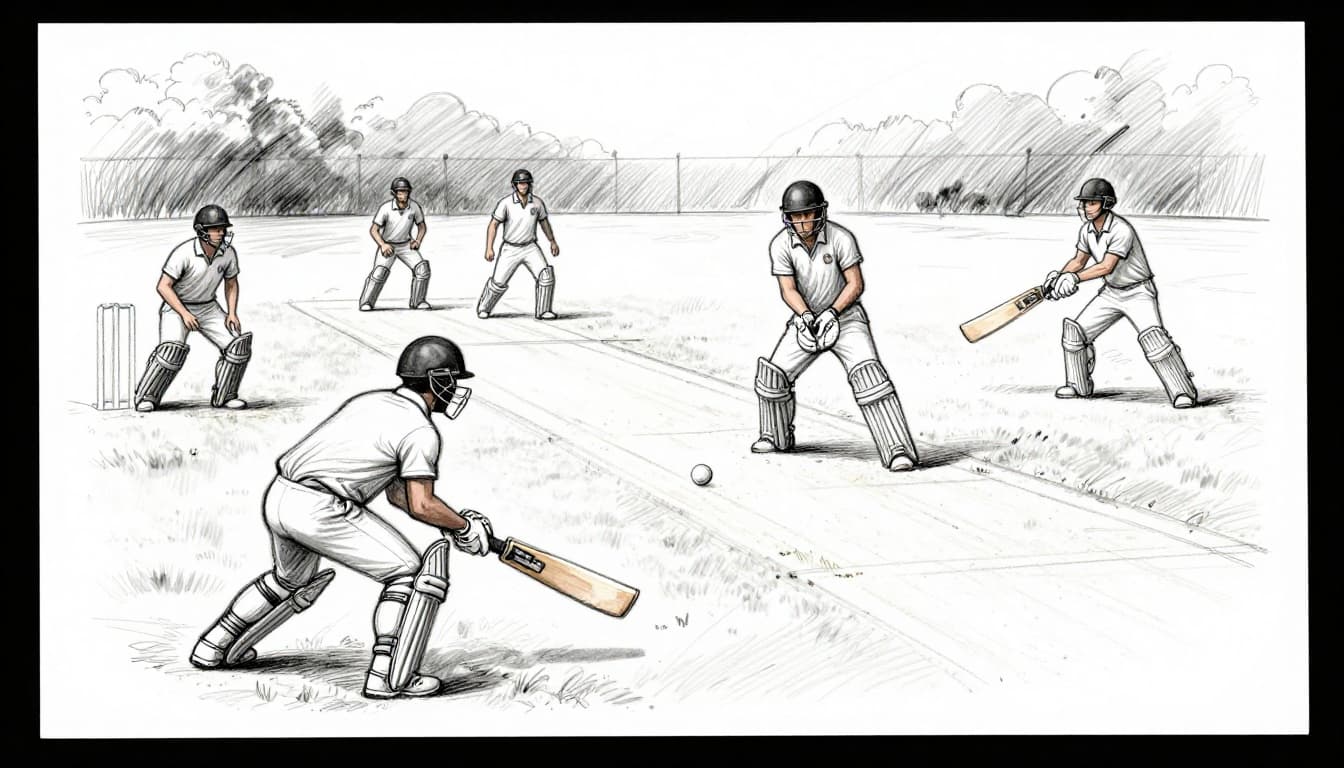
The Coin Toss and Switching Innings
Captains toss the coin before play starts. Bat first if you want runs early. Field if you trust your bowlers.
One innings per team in short formats. Test matches allow two. An innings ends after 10 wickets fall.
Teams switch fully after one side finishes batting. The score chases in the second innings.
Batsmen, Bowlers, and Fielders in Action
Batsmen hit the ball and run. They aim to score without getting out. The striker faces each delivery.
Bowlers run in and release the ball underarm height. They target the stumps. Pace or spin confuses batsmen.
The wicketkeeper crouches behind, like a catcher. He grabs misses. Fielders stop the ball and throw back fast.
How to Score Runs: Running, Boundaries, and Bonuses
Runs build the score. The batting team wants as many as possible before 10 outs or overs end. Simple hits lead to excitement.
Batsmen run between wickets after contact. Each safe cross scores one. They can go multiple times if safe.
Extras give free runs from errors. The total shows as runs/wickets, like 250/5.
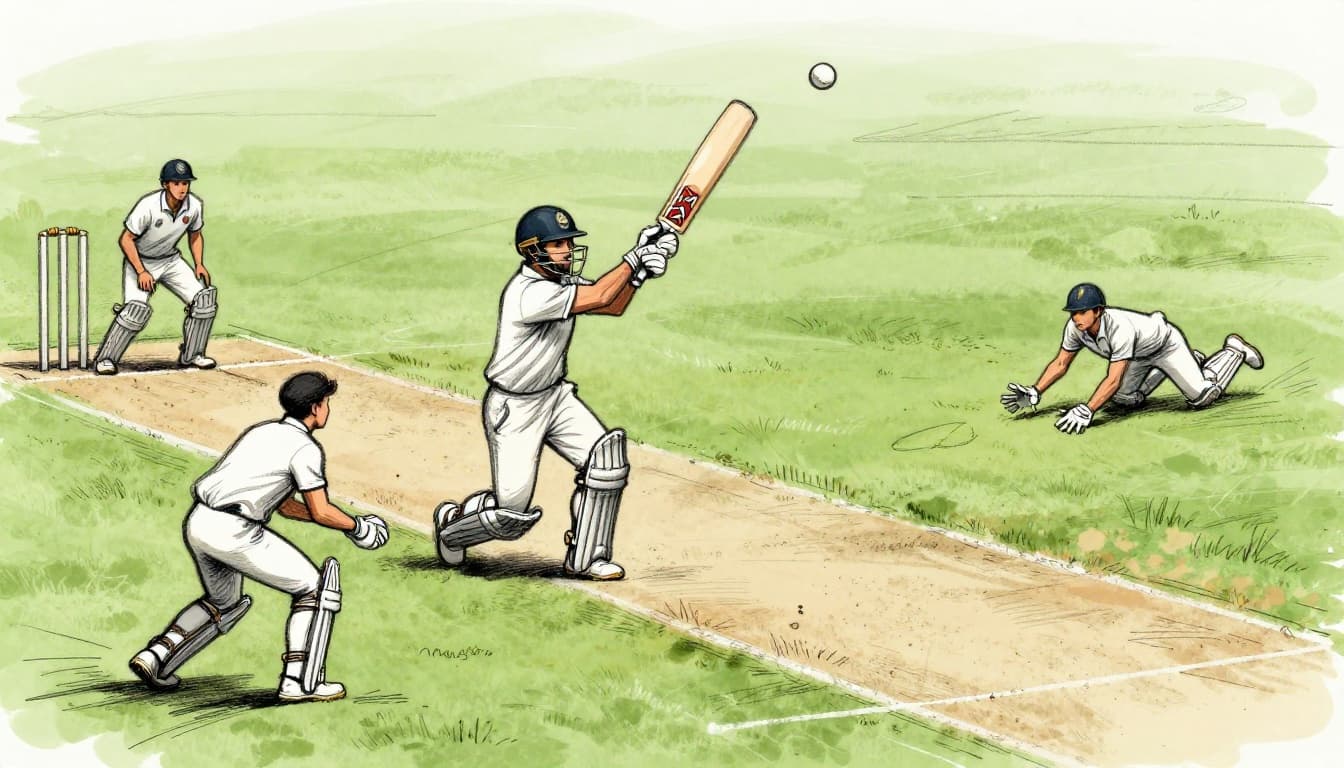
See this cricket scoring system explained simply for more examples.
Running Back and Forth for Singles
Hit the ball into gaps. Batsmen sprint to the other end. One run per cross.
They judge fielders’ throws. Risk two or three runs if time allows. A bad call leads to run outs.
Safe runs build steady scores. Teams rotate strikers this way.
Boundaries: The Quick 4s and 6s
Power hits reach the rope fast. Four runs if it bounces first. Six if it clears in the air.
Batsman stays put. No running needed. Crowds roar for these moments.
Fielders dive to save. They flick back before the boundary. This denies easy points.
Extras: Free Runs from Bowler Mistakes
Bowlers overstep for a no-ball. That’s one extra run, plus a free hit. Wides miss the batsman entirely, also one extra.
Byes happen when the ball misses bat and keeper. Fielders chase. Leg byes count off the pad.
Extras add up. They boost totals without batsman effort.
Ways Batsmen Get Out: Losing Your Wicket
Ten wickets end an innings. Common ways keep scores in check. Fielders celebrate each one.
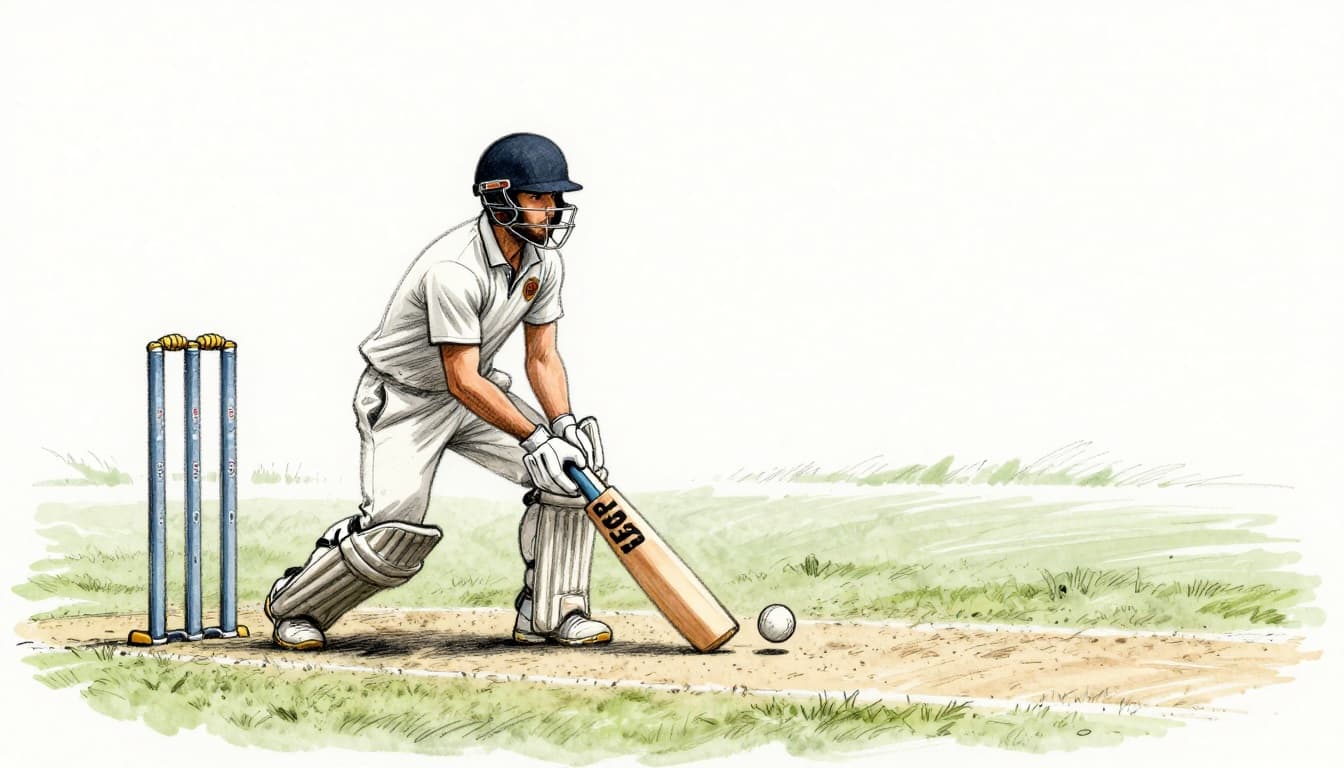
Bowled hits stumps directly. Caught grabs before ground. LBW blocks the ball’s path.
Run outs and stumpings catch batsmen short. These build tension.
Learn leg before wicket rules in detail.
Bowled, Caught, and Tricky LBW
Bowled occurs when the ball knocks bails off. Simple and direct.
Caught needs a clean grab. Any fielder counts, even close slips.
LBW calls the batsman out if his leg blocks a stump-bound ball. Umpires check height and line.
Run Outs and Stumpings: Timing Matters
Run out happens on a direct throw to stumps. The batsman dives short.
Stumped needs the keeper. He removes bails while the batsman steps out.
Both punish poor judgment. Quick hands win these.
Cricket Match Types: Test, ODI, and T20 Differences
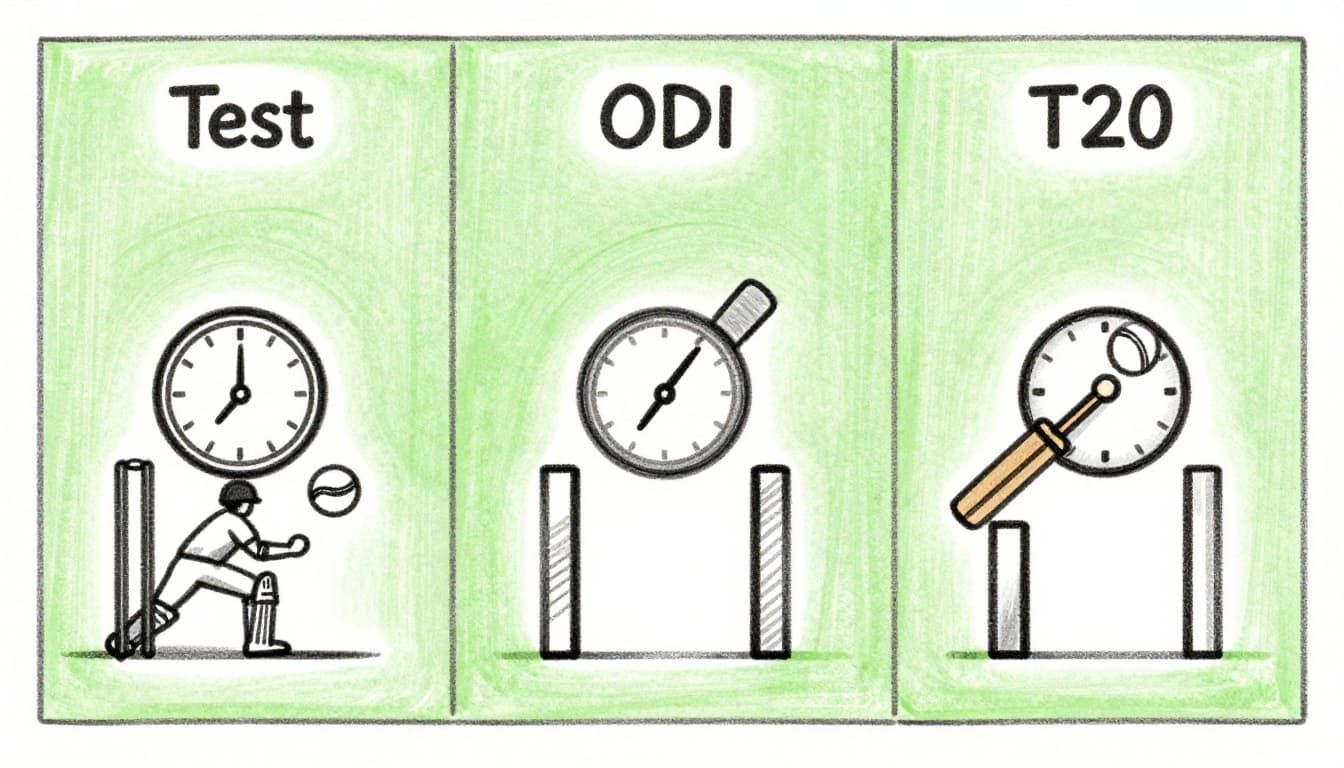
Formats change pace and length. Test builds over days. Shorter ones thrill crowds.
Wins go to highest score. Ties use super overs rarely.
Pick T20 for quick fun in the US.
Compare formats with this Test vs ODI vs T20 explained.
Test Cricket: Endurance Over Five Days
Test matches last up to five days. Unlimited overs per innings, two per team.
Draws happen if time runs out. Strategy rules here.
Patience wins. Batsmen build huge scores.
ODI: Full-Day Battles with 50 Overs
One Day Internationals use 50 overs per side. Matches finish in eight hours.
Balanced pace suits all skills. World Cups shine here.
Teams chase totals around 300 runs.
T20: High-Energy 3-Hour Thrillers
Twenty20 limits to 20 overs. Games wrap in three hours.
Big hits dominate. Perfect for new US fans.
MLC brings this excitement stateside.
Cricket blends strategy, skill, and drama on its unique field. You now grasp runs, outs, and formats.
Watch a T20 match soon. Grab friends for a backyard game. What’s your first cricket question? Share below.