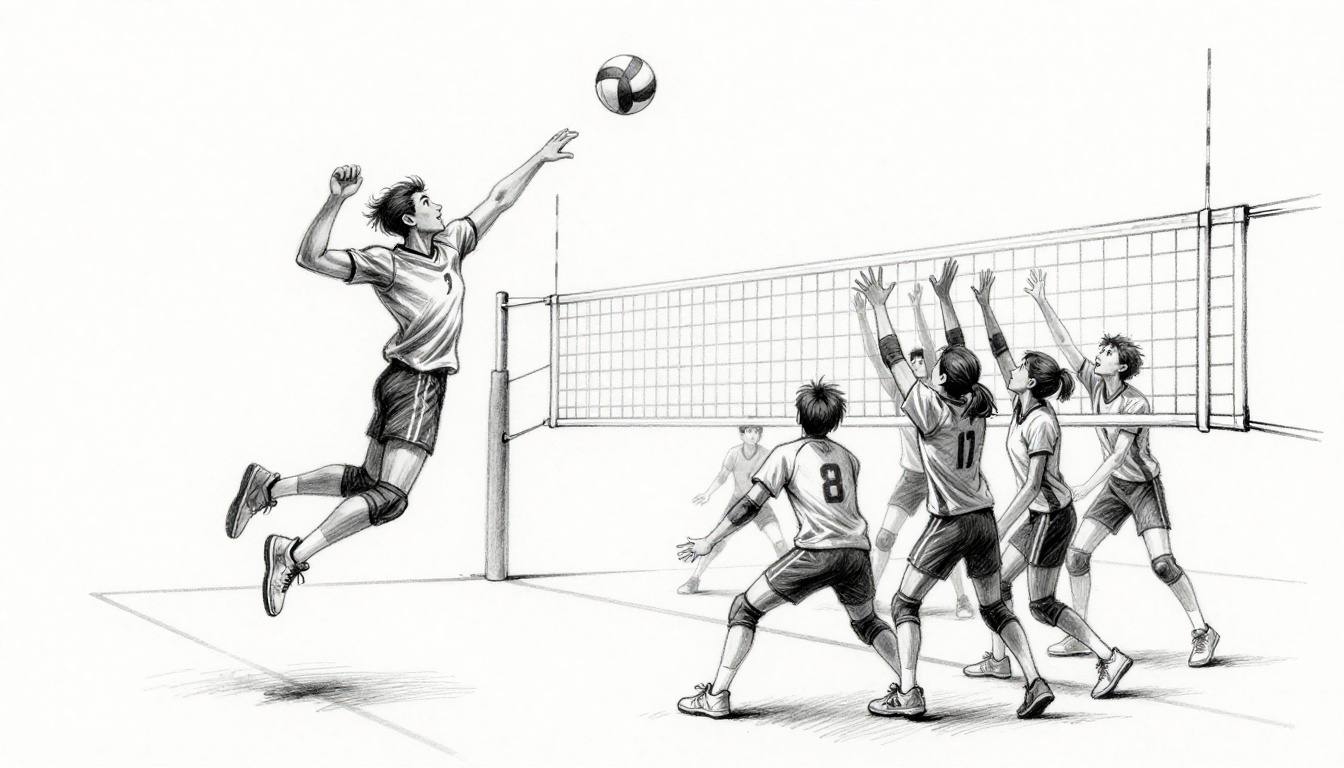
Picture this. A server leaps high and smashes the ball over the net. It rockets past the blockers. The receivers dive but miss. The crowd erupts. That one play just gave the serving team a point.
You’ve seen those intense moments on TV. But how do points actually add up? Volleyball uses rally scoring. Every rally ends with a point for one team. It does not matter who served. The team that wins the rally scores. This system started in 1999. It made games faster and more exciting. No more waiting for side-outs to score.
Indoor matches go best of five sets. Each set hits 25 points. Beach volleyball differs. It uses best of three sets to 21 points. Plus, new tweaks in 2026 speed things up even more. You’ll grasp it all by the end. Let’s break it down step by step.
What Happens in a Volleyball Rally?
A rally starts with a serve. The ball flies over the net. Teams hit it back and forth. It ends when the ball hits the floor. Or goes out of bounds. Maybe a player messes up a hit. The team that forces the error wins the rally. They score one point.
The serving team keeps the serve if they win. They try again. But if the receiving team wins, they score too. Then they take over the serve. Players rotate clockwise one spot. This keeps things fair.
Take Team A at 10-8, serving. They win the rally. Score jumps to 11-8. They serve next. Now imagine Team B wins it. Score becomes 10-9. Team B serves and rotates.
This rally system applies everywhere. Indoor courts with six players per side. Beach sands with two per side. Every point counts. No exceptions.
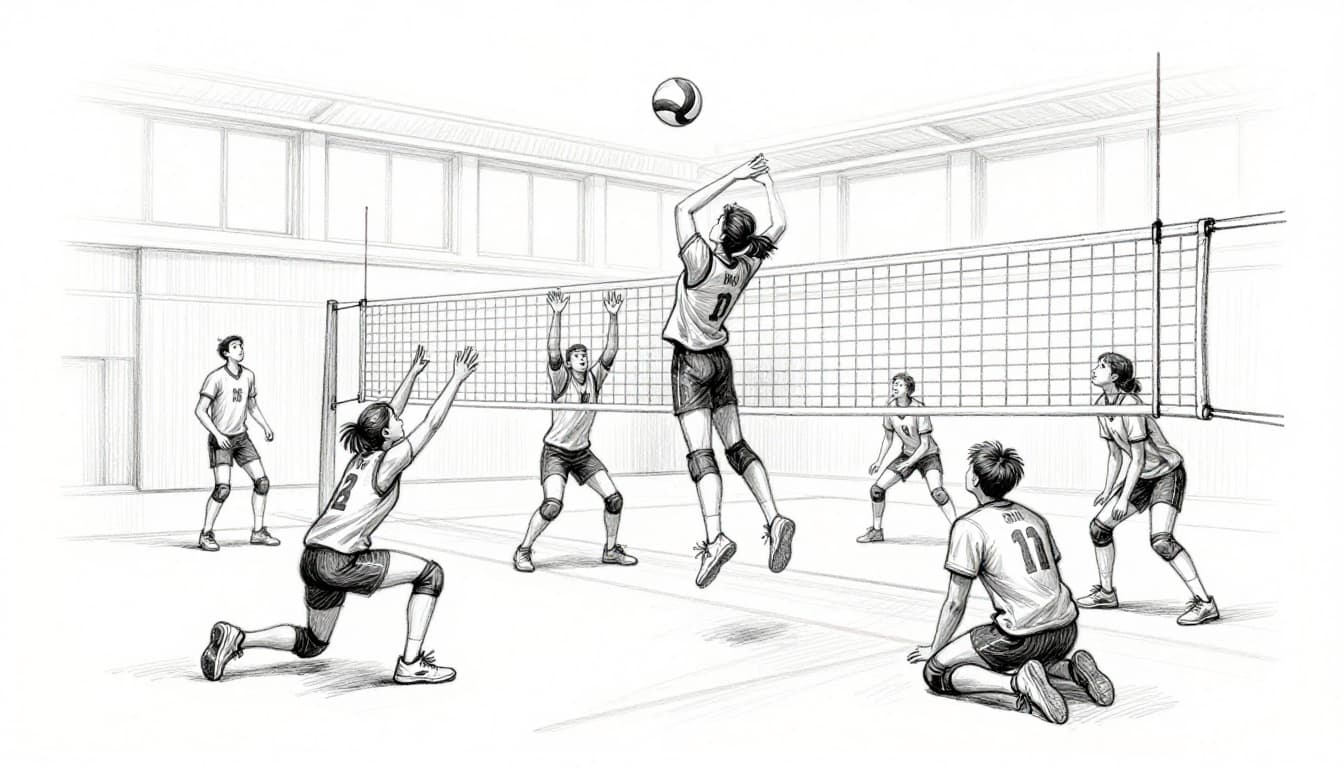
Rallies build tension. Fans love the constant action. For the full rules, check the FIVB Official Volleyball Rules 2025-2028.
Side-Outs and Rotations Made Simple
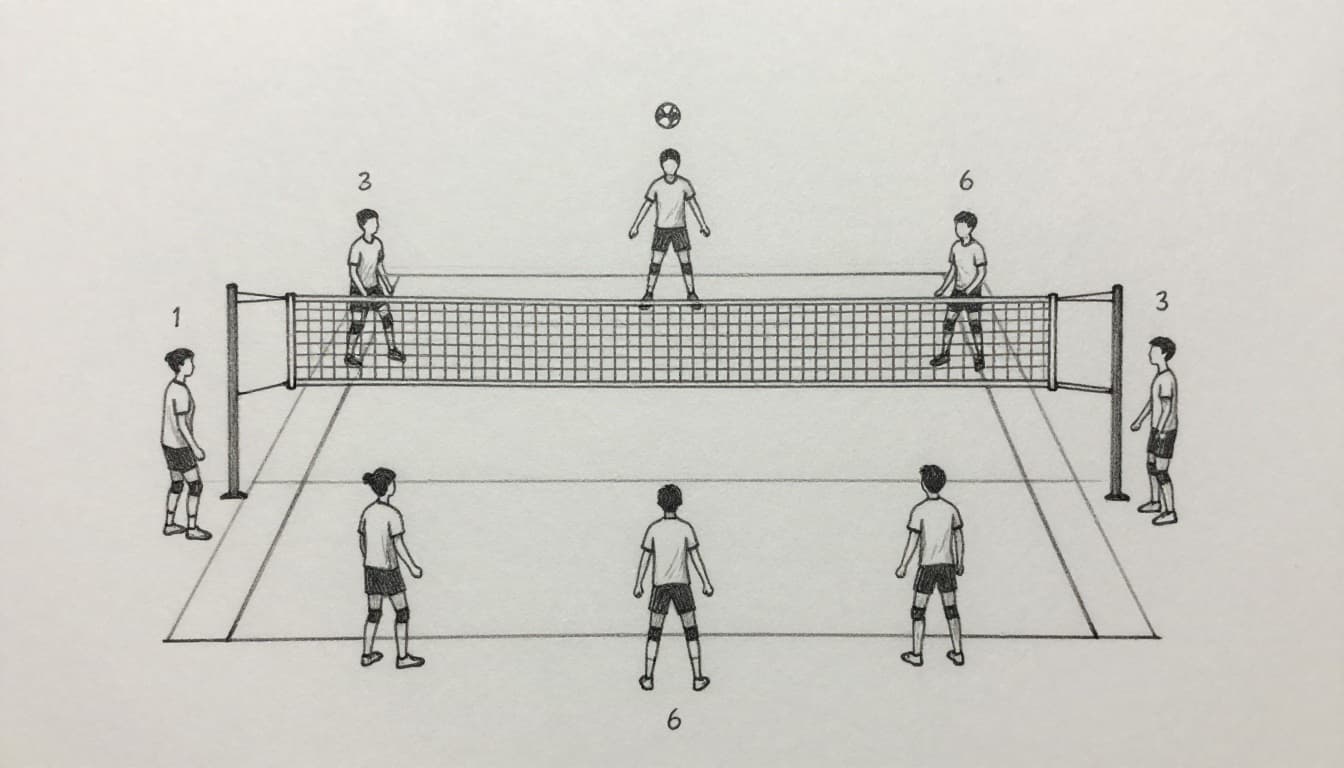
Side-out happens when the receiving team wins the rally. They score one point. Then they serve next. All six indoor players shift one position clockwise. The new server stands at the right back.
Beach teams rotate too. But with only two players, positions stay looser. No strict spots like indoor.
Think of it like a clock. Player one serves from position one. After side-out, everyone moves. Player two now serves from there. This rotation ensures everyone gets front-row chances over time.
Faults end rallies fast. A bad serve or net touch does it. The other team scores. Rotations prevent bunching up talent in one zone.
Indoor Volleyball: Breaking Down Set and Match Wins
Indoor games follow FIVB standards. Matches run best of five sets. The first team to win three takes it. Sets one through four go to 25 points. A team must lead by two points. Like 25-23 wins. But 24-24 means keep playing.
The fifth set caps at 15 points. Still needs a two-point edge. No time limits. Sets can drag if teams stay close.
Say it’s 24-24 in set two. Team A scores. Now 25-24. Team B ties it at 25-25. They battle on. Maybe it hits 28-26. That wins the set.
Games stay quick because of rally points. Every mistake costs. See more in FIVB’s basic rules page.
When Sets Go Long: The Two-Point Rule
Ties at 24-24 thrill fans. Or 14-14 in the fifth. Play continues until one team leads by two. No point cap. Matches have gone to 30-28 or higher.
Remember the 2024 Olympics? A set pushed to 26-24 after deuce. The crowd went wild. This rule keeps drama alive. Teams fight for every point.
It tests stamina. But rally scoring speeds the overall pace.
Rotation and Serve Rules in Action
Rotations tie into scoring. Serve only from the right back after rotating. Foot faults or net serves lose the rally. The other team gets the point.
Common faults include center line crosses. Or back row players spiking too high. Four big ones: foot fault, net touch, double hit, lift. Refs call them quick. Point over.
These rules make points clear. No arguments slow the game.
Beach Volleyball Scoring: Faster Pace on Sand
Beach matches speed along. Best of three sets. First two to 21 points. Win by two. Third set to 15, same rule. Rally scoring rules here too.
Smaller court. Two players per side. No subs. Fatigue hits hard. A 20-20 tie goes to 22-20. Or longer if needed.
Teams switch sides every seven points in the third set. Wind stays fair. Ocean breeze adds challenge.
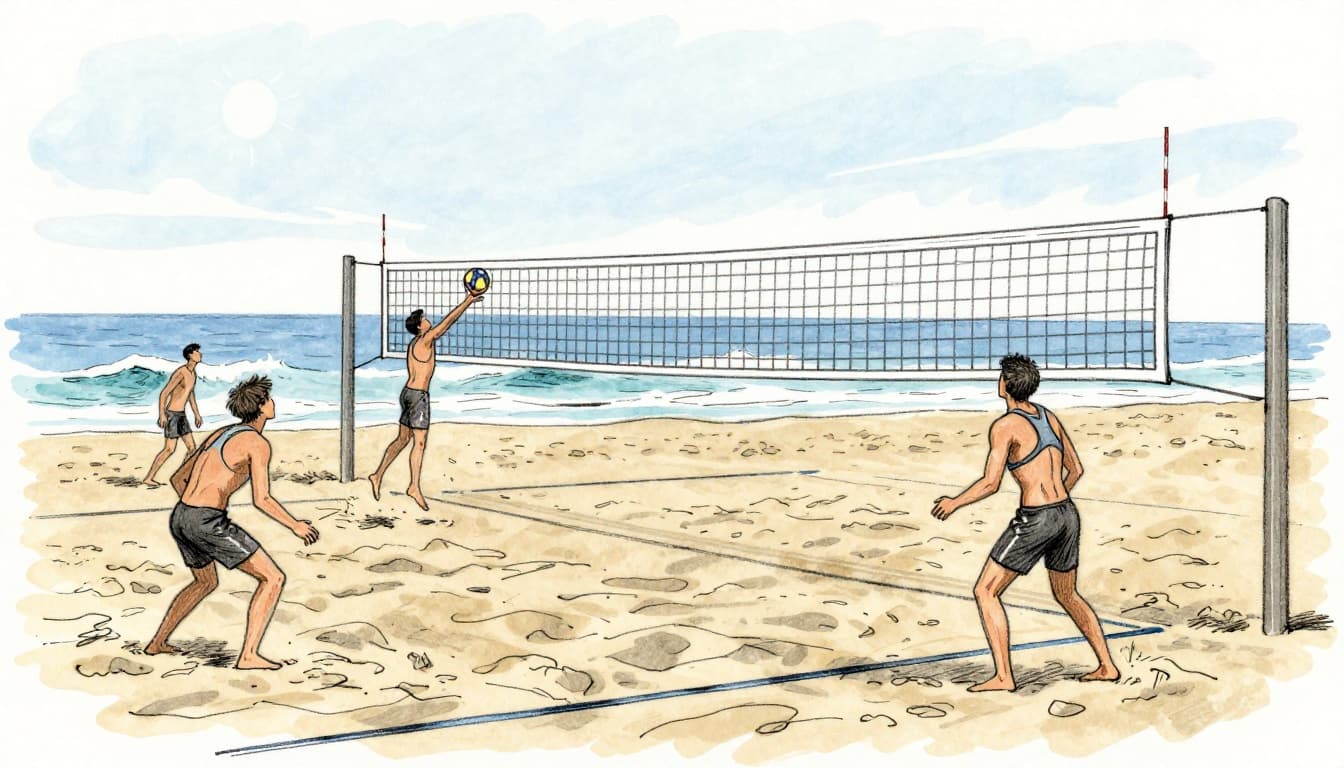
Details in the FIVB Beach Rules 2025-2028. Beach feels raw. Sand slows serves. Points come fast.
No-Cap Sets: Why They Never End Early
No caps mean endless play for a two-point lead. Like indoor. But shorter sets keep matches under an hour.
Side switches in set three balance elements. Sun or wind does not favor one side. Players adapt quick.
Contrast indoor fifth sets. Beach third sets mirror them at 15. Excitement builds fast on sand.
Fresh 2026 Changes Speeding Up Volleyball Points
FIVB tests rules in 2026. Think Nations League. Goals: quicker games, less downtime. A 15-second serve clock pushes pace. No more stalling.
Ceiling hits stay faults unless over non-play areas. Mid-rally challenges end. Wait till after the point. Reviews now cover saves and receives.
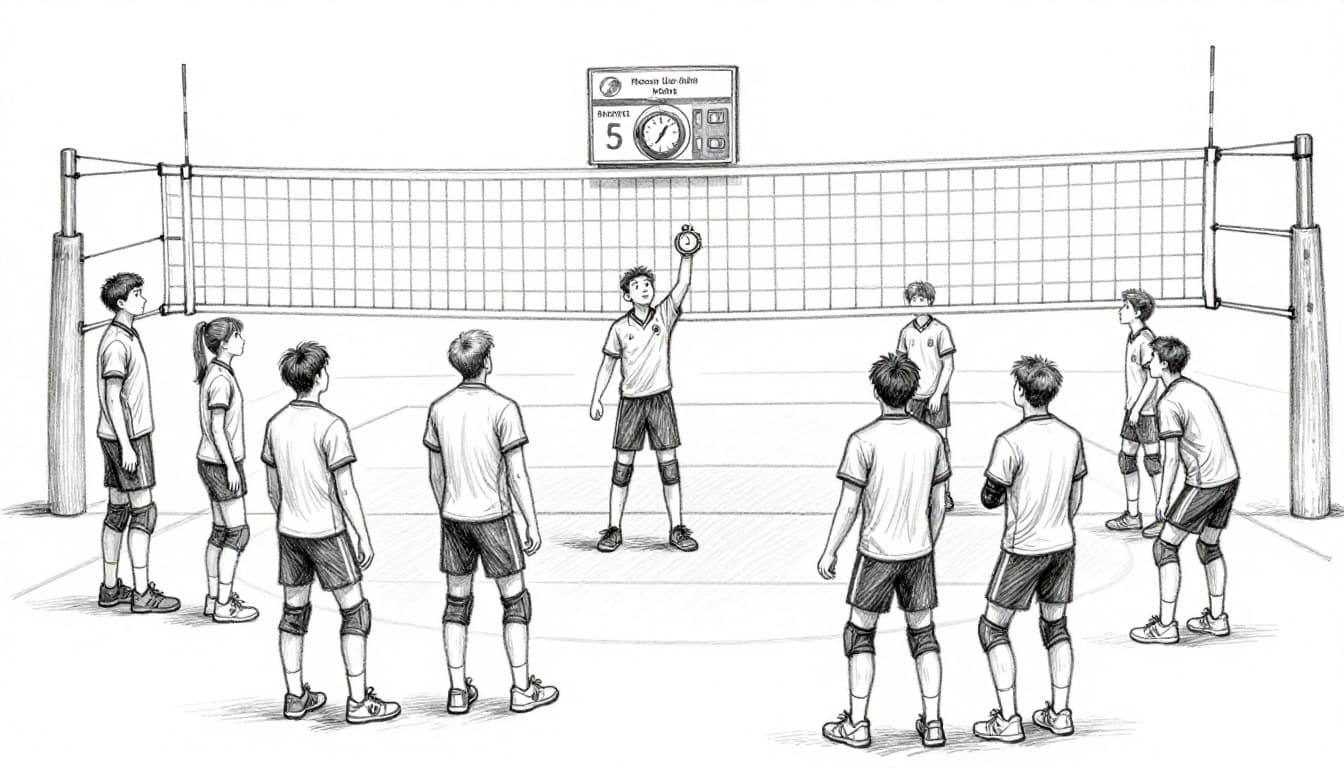
Pros: smoother flow. Fewer stops. Cons: teams adjust habits. Read about tests at FIVB’s 2026 rule approval. By March 2026, they run in key events. Points calculate same. Just faster rallies.
Rally scoring rules everything. Indoor at 25 to 15, best of five. Beach 21 to 15, best of three. Always win by two.
Key tips for fans: Watch rotations after side-outs. Track ties at 24 or 14. Note beach side switches.
Grab a match tonight. Predict the score. Got questions? Drop them below. Share this with a volleyball buddy. You’ll score points as the expert now.