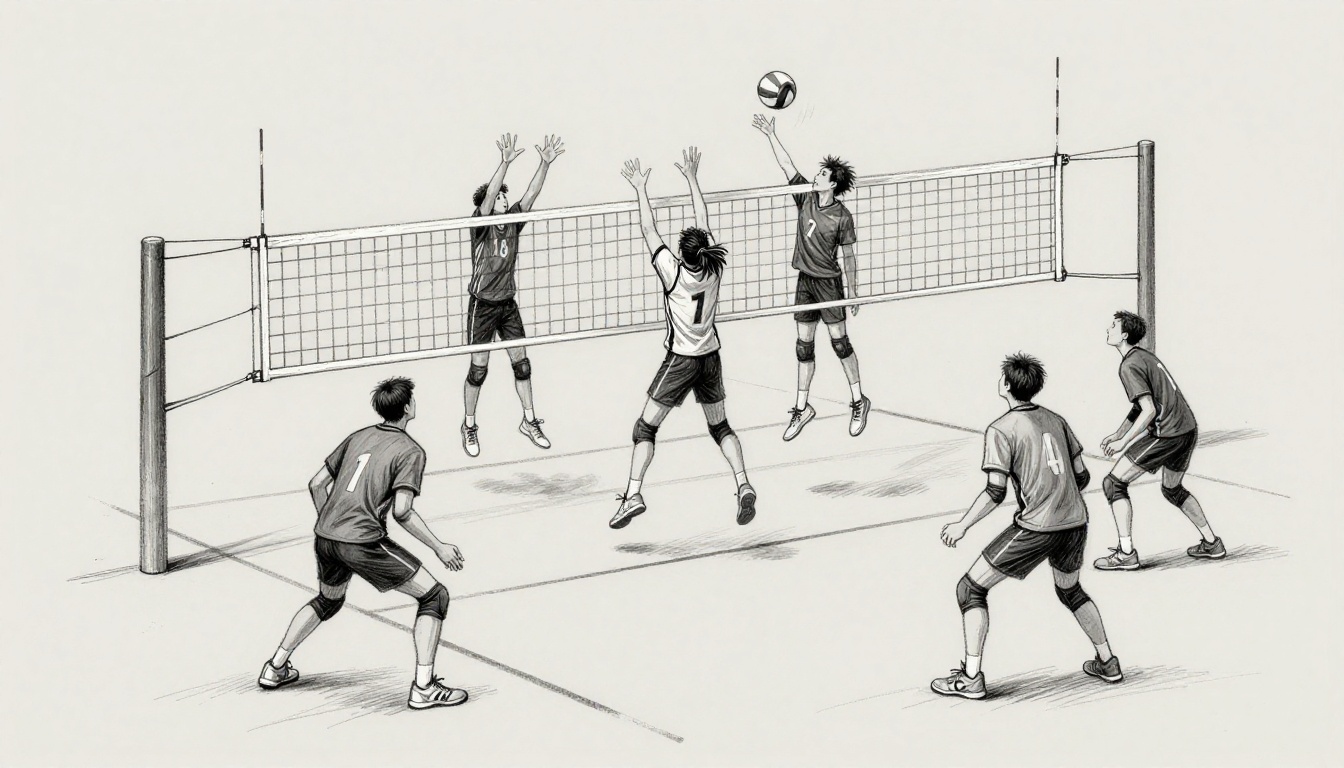
Picture a volleyball rally that zips back and forth. Spikes thunder over the net. Digs keep the ball alive. Every player has a job that makes the chaos work.
Volleyball teams field six players with clear roles of players in volleyball. These spots include the setter, middle blocker, outside hitter, opposite hitter, libero, and defensive specialist. Fans grasp the game faster when they know these volleyball player positions. Beginners find their best fit too.
This guide breaks down each role. You’ll see rotations in action. Plus, a quick look at beach volleyball differences. Let’s jump into the frontcourt first.
Frontcourt Stars: Meet the Blockers and Hitters Who Rule the Net
Front row players own the net. They spike balls down or block enemy attacks. Most stand over six feet tall. They boast jumping power that scores points.
These athletes shine in positions 2, 3, and 4. They attack from up close. Blocks stop opponents cold. For a full breakdown of these skills, check Set Up for Volleyball’s 2025 positions guide.
Middle Blocker: Towering Defenders with Quick Kills
Middle blockers anchor position 3. They rank as the tallest on the team. Their main task blocks spikes right at the net.
They leap high with hands up. This forms a wall in the air. Quick attacks follow too. They tip the ball over for easy kills.
Teams rotate them to the back row sometimes. They pass and defend there. Up front, though, they dominate. Imagine a giant swatting flies mid-jump.

Outside Hitter: Left-Side Powerhouses Driving Points Home
Outside hitters own the left front spot. They lead in scoring spikes. Powerful swings from position 4 drive points home.
These players handle all skills. They pass serves. They dig balls in the back row. Front row blasts make them stars.
Recall a tense match point. The outside hitter winds up. She crushes it past the block. Crowd goes wild. Versatility sets them apart.
Opposite Hitter: Right-Side Threats Who Block and Bash
Opposite hitters guard the right side. They attack from position 2. Blocks pair with their spikes for balance.
They counter the outside hitter’s role. Rotation brings them front right often. Sneaky power surprises foes.
Teams rely on them for pipe attacks from back row. Strong arms bash through defenses. They keep pressure constant.
Backcourt Wizards: Setters and Defensive Pros Keeping Plays Alive
Back row players set up wins. They pass, dig, and start offenses. No net action for them. They create nonstop rallies instead.
Setters often start here. Specialists join for digs. Rules let liberos shine bright. These roles fuel the team’s engine.
Setter: The Team Brain Calling Perfect Plays
Setters act as the team brain. They touch the ball second after the pass. From position 1, they bump it high for hitters.
They read defenses with hand signals. Gaps appear. Perfect sets follow. They also block, pass, and dig when needed.
Rotation moves them to front right. They lead every attack. For example, a quick wrist flip sends the ball soaring. Teammates swing away.
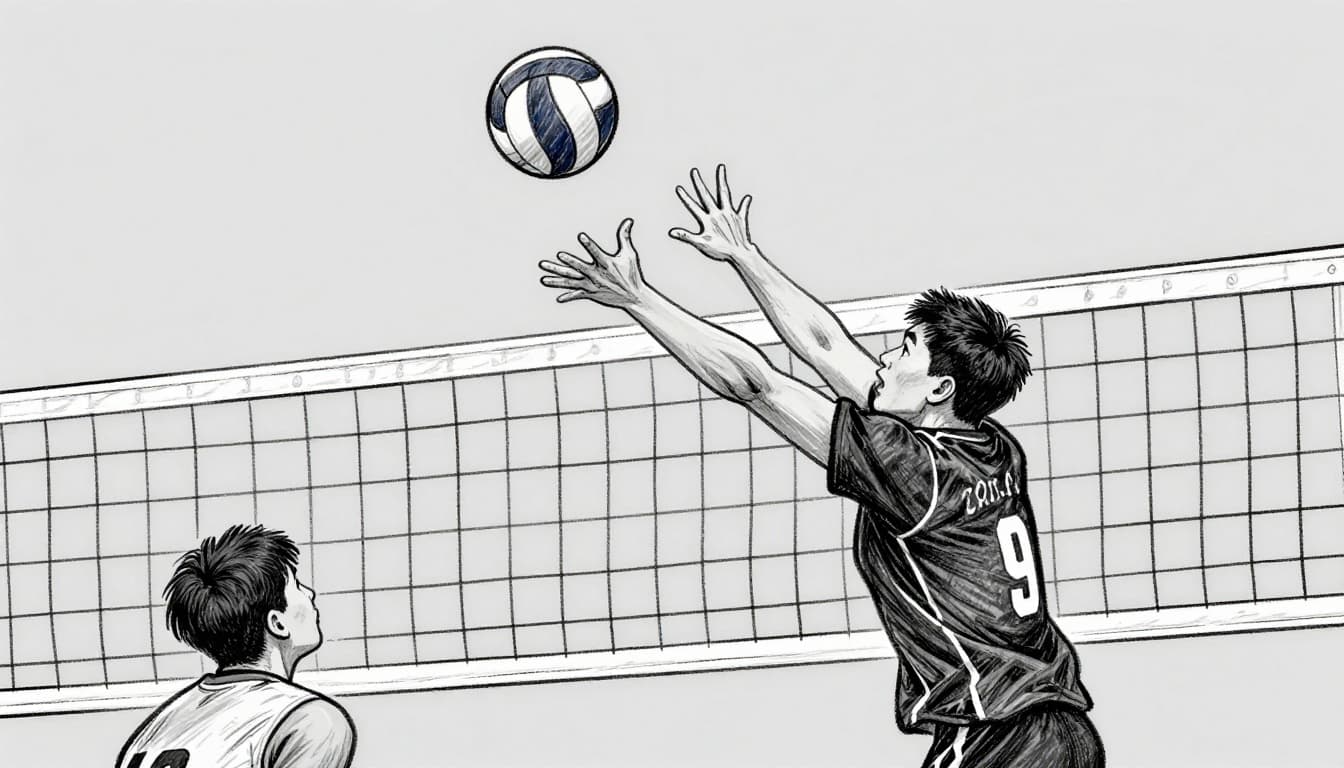
Libero: The Jersey-Switching Digger Saving Every Ball
Libero wears a contrast jersey. They stick to back row only. No front line play. No blocks or attacks above the net.
They excel at passing and digging. Free subs keep them on court. FIVB rules now allow two liberos in 2026 internationals. They save tough balls others miss.
Introduced in 1998, liberos extend rallies. Some leagues let them serve now. Their hustle changes games.
Defensive Specialist: Clutch Subs for Back Row Control
Defensive specialists sub in for hitters. They focus on position 6 passes. Ball control keeps plays going.
They pair with liberos for digs. Quick feet chase every poke. Game moments hinge on their saves.
Coaches call them in tight spots. One solid pass sparks a counter. Reliability wins points.
Rotation Magic: How Players Switch Spots Without Missing a Beat
Teams rotate clockwise after each serve win. Players shift to new spots. Setter stays the setter. Roles hold steady.
Front row handles attacks and blocks then. Back row defends from behind the 10-foot line. This keeps fairness.
Start with server in position 1. Next point, everyone moves right. No overlaps allowed. See it in OCVA’s beginner rotations guide.
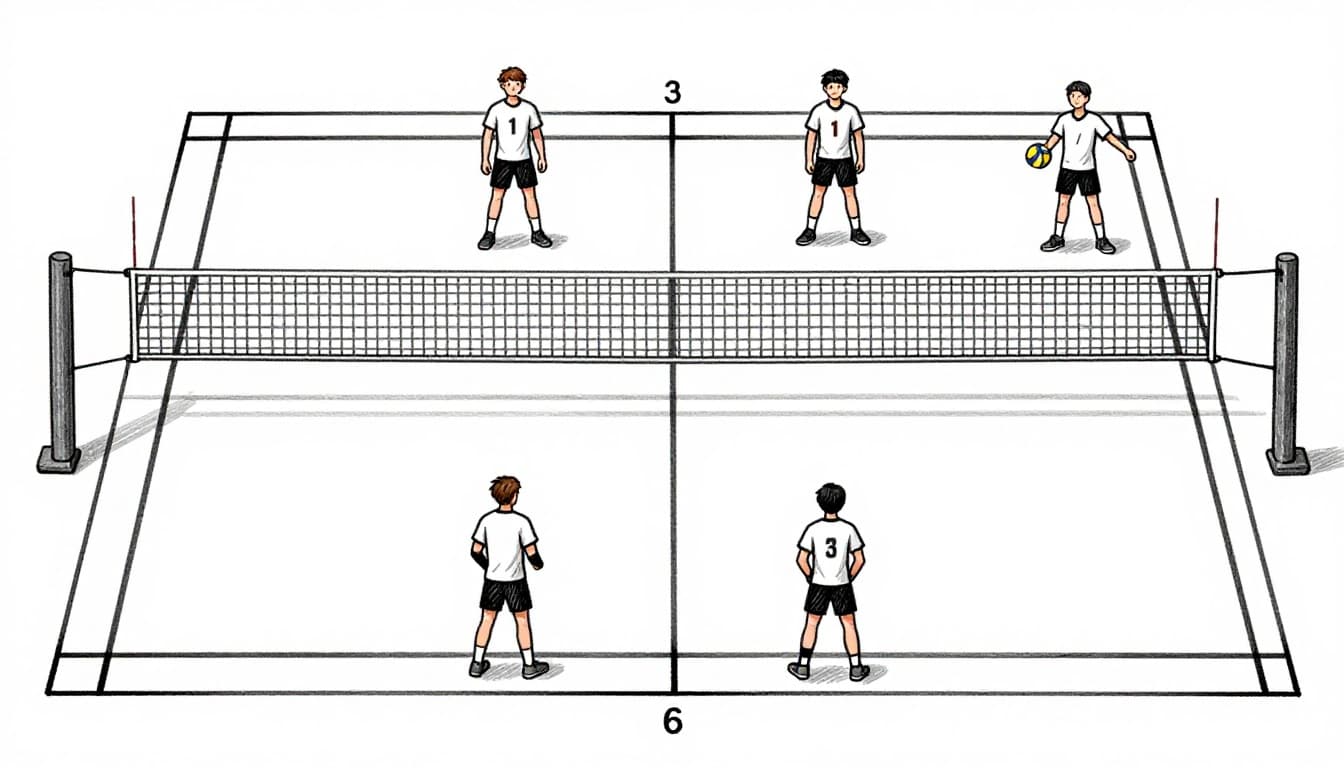
Visualize the flow. Position 4 hitter rotates back. Libero subs in seamless. Dynamic shifts add strategy.
Indoor Teams vs Beach Duos: How Roles Change on Sand
Indoor uses six specialists. Beach drops to two all-rounders. Players cover the full court there. No libero swaps.
Sand demands endurance. Everyone sets, hits, blocks. Versatility rules. For key contrasts, read Kontra Camps’ indoor vs beach differences.
Indoor roles build core skills, though. They teach precision. Beach play tests them fully.
Six positions make volleyball team magic. Setter brains direct chaos. Blockers and hitters score big. Backcourt pros dig deep. Rotations keep it fair and fast.
Watch your next match with fresh eyes. Or grab a ball. Try middle block jumps. Which role in volleyball calls to you? Share in comments. Subscribe for more tips. Jump in today.