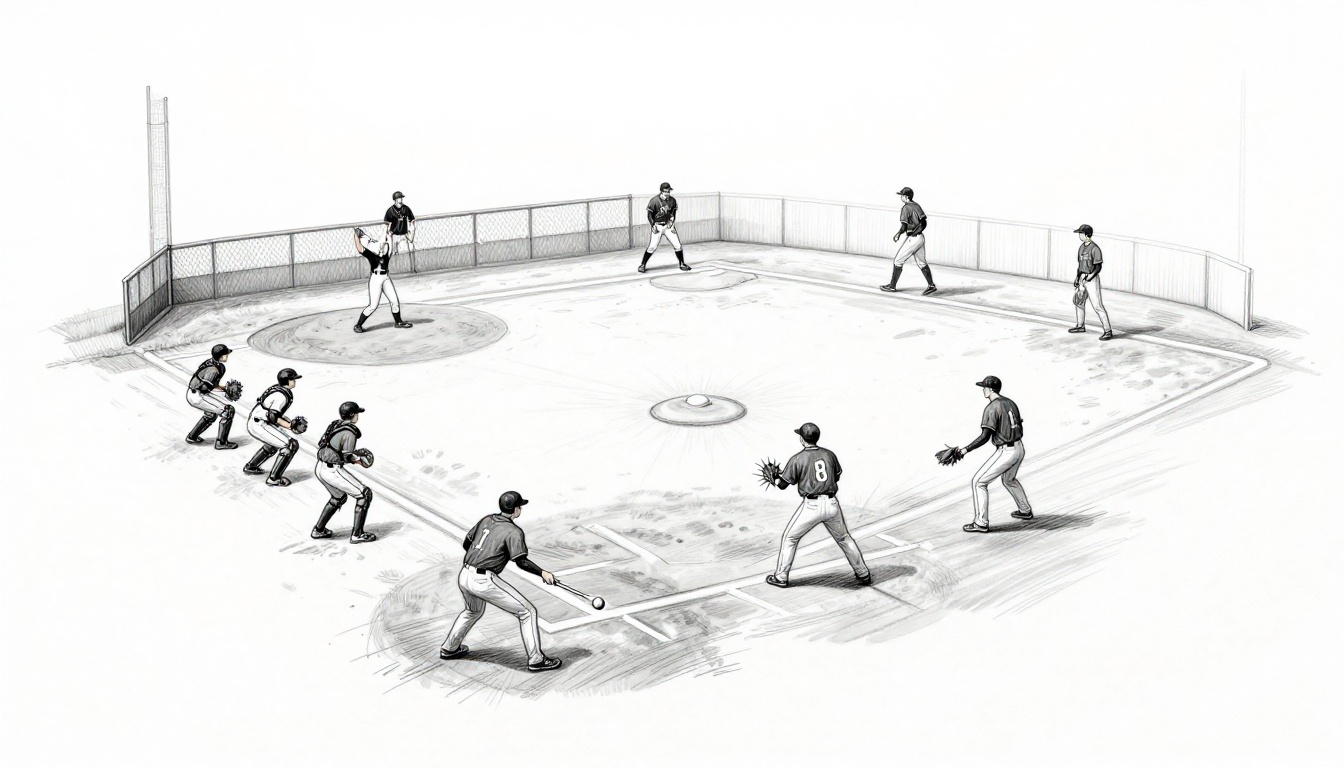
Picture this. You’re at a packed stadium during a tight ninth inning. A grounder rockets toward the shortstop. He dives, flips it to second, and the relay zips to first for a double play. The crowd erupts. But why did that play work so smoothly?
New fans often feel lost amid the diamond’s chaos. You wonder about each player’s job. Knowing baseball positions turns confusion into excitement. It helps whether you’re watching MLB games or coaching kids.
Teams field nine players: pitcher, catcher, first baseman, second baseman, shortstop, third baseman, left fielder, center fielder, right fielder. Plus, the designated hitter (DH) bats for the pitcher. These roles follow MLB standards, steady in 2026 after the universal DH rule since 2022. This post breaks them down by infield, outfield, battery, and DH. You’ll see how they mesh for outs and runs.
Infield Heroes: Handling Ground Balls and Double Plays
The infield covers the dirt near the bases. Players here snag grounders, turn double plays, and field bunts. They need quick feet, soft hands, and laser throws. Teamwork shines on routine chances or high-pressure relays. For more on these skills, check baseball positions roles breakdown.
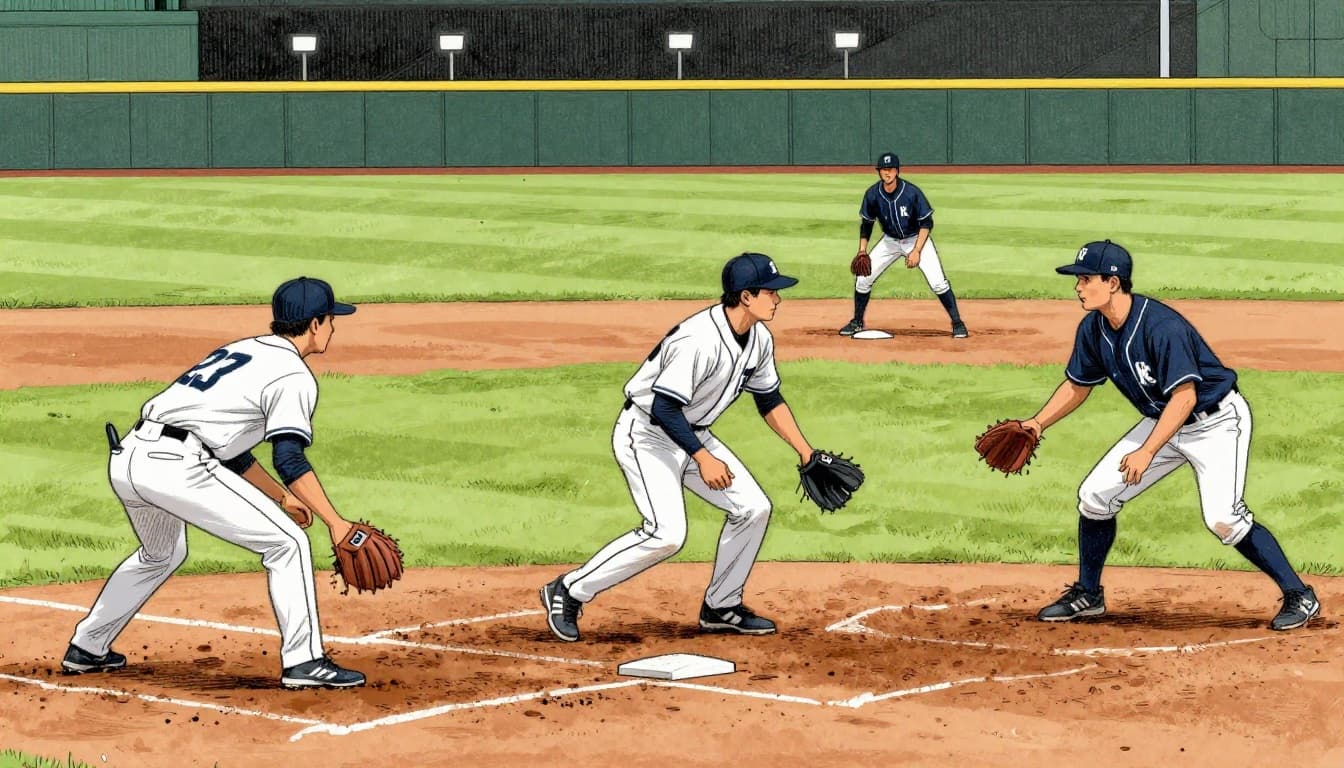
First Baseman: The Reliable Bag Guardian
First basemen guard the bag at first. They scoop low throws from infielders on grounders. Stretching wide, they snag close plays for outs. Balls down the line? They charge and tag runners.
They also back up bunts near home. Tall power hitters like Freddie Freeman excel here. Soft hands help them catch bad hops. In short, they anchor the infield’s right side.
Second Baseman: Double Play Master
Second basemen pivot at second base. They catch feeds from shortstops on double plays. A common 4-6-3 play goes like this: shortstop to second, then to first. Quick twists avoid tags from runners.
Agility rules this spot. They cover second on steals and relay outfield throws. Backing first on grounders adds to their range. Speed keeps them everywhere.
Shortstop: The Field’s Glue Guy
Shortstops own the middle. They field grounders up the gap between second and third. Most double plays start here with strong flips. Elite range sets them apart.
This spot demands speed and arm strength. Willy Adames tops early 2026 spring stats at short. It’s the toughest infield job because hits flock middle.
Third Baseman: Taming the Hot Corner
Third base earns its “hot corner” name. Line drives scream in fast. Third basemen react quick for outs. They barehand bunts and flip to first.
Strong arms fire across the diamond. Quick feet beat runners to the bag. Pressure builds here, but stars thrive.
Outfield Titans: Tracking Fly Balls and Gun Throws
Outfielders patrol vast grass beyond the infield. They chase fly balls, line drives, and deep hits. Arm strength stops extra bases. Shifts tweak spots, but core roles hold in 2026 MLB play. Each covers unique turf.
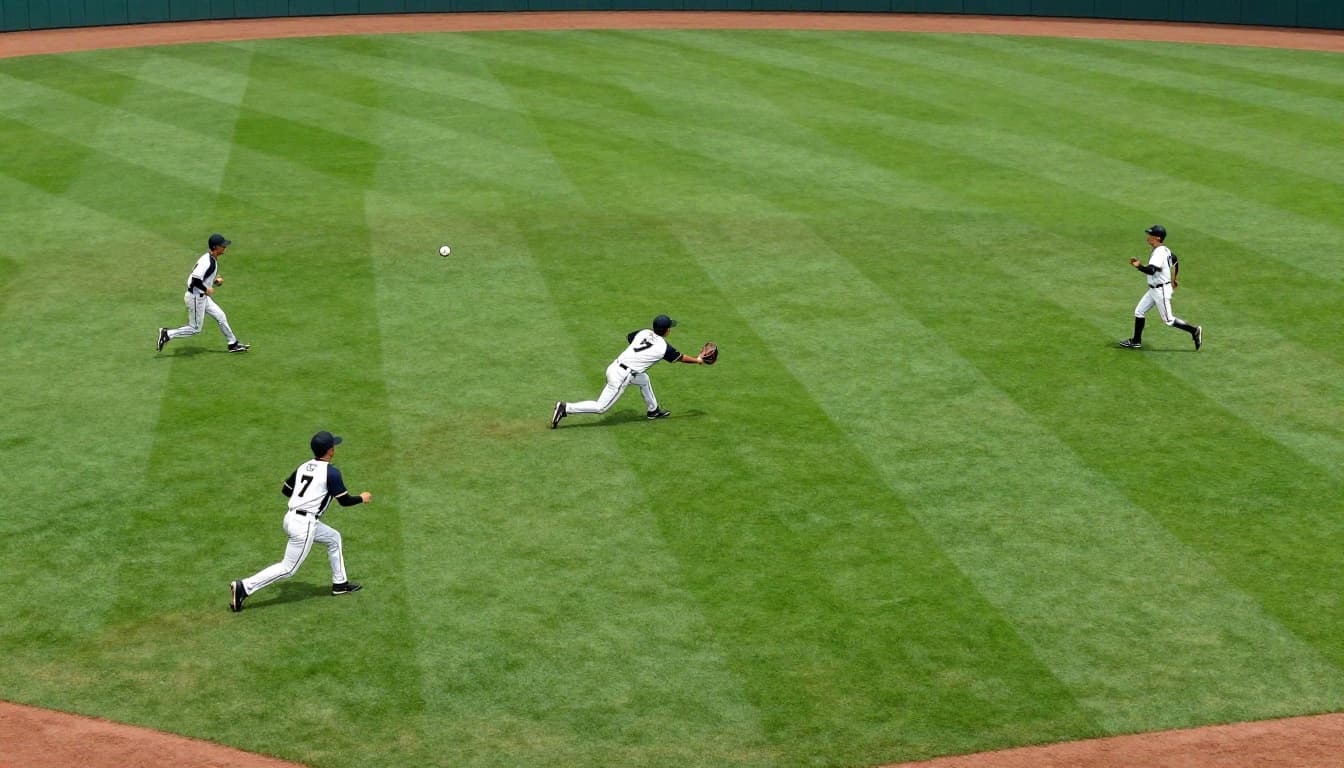
Left Fielder: Shutting Down the Line
Left fielders hug the line in left. They catch flies and lines near third. Throws cut off runners or go to third base. Good arms prevent doubles turning into triples.
They back up third on infield plays. Range covers gaps to center. Pull hitters test them most.
Center Fielder: The Boss of the Grass
Center fielders roam the widest area. They call off others on flies. Diving grabs steal hits. Speed covers left and right gaps.
Strongest arms hit home or third. Julio Rodríguez roams like a speed demon. They direct outfield traffic.
Right Fielder: Cannon Arm Protector
Right fielders pack the best cannons. They nail runners at third or home. Accuracy trumps raw distance. They cover right-center gaps.
Slices from righty pull hitters land here. Strong legs chase deep flies.
Pitcher and Catcher: The Dynamic Battery Duo
The battery pairs pitcher and catcher. They start every pitch. Pitchers sling heat; catchers think ahead. Toughness blocks dirt and wild ones. Universal DH lets pitchers focus on mound work.
Pitcher: Throwing Heat to Dominate Batters
Pitchers throw strikes from the mound. They mix speeds to fool batters. Weak contact leads to outs. Starters go five to seven innings; relievers close.
They field bunts and cover bases. Early 2026 trends show variety in arms.
Catcher: Calling Shots and Blocking Dirt
Catchers squat behind the plate. They signal pitches with fingers. Blocking wild throws keeps runners close. Strong arms gun down stealers at second.
They tag runners at home plate. Patrick Bailey leads spring catcher stats. Field generals, they lead from crouch.
Designated Hitter: Bat-First Power Without the Field
Designated hitters bat for pitchers. No field duty; pure offense. They slug homers and drive runs. Power guys like past stars thrive.
Both leagues use DH now. Rules stay put in 2026. It frees pitchers for arms, not bats. For a full MLB positions list, see this guide.
Baseball flows because each spot fits perfect. Infielders kill grounders. Outfielders hunt skies. Battery controls tempo. DH adds pop. Next game, spot the shortstop’s range or catcher’s block. Who turns double plays? Test yourself.
Grab gloves and try positions at the park. Share your favorite in comments below. Subscribe for more breakdowns on sports basics.