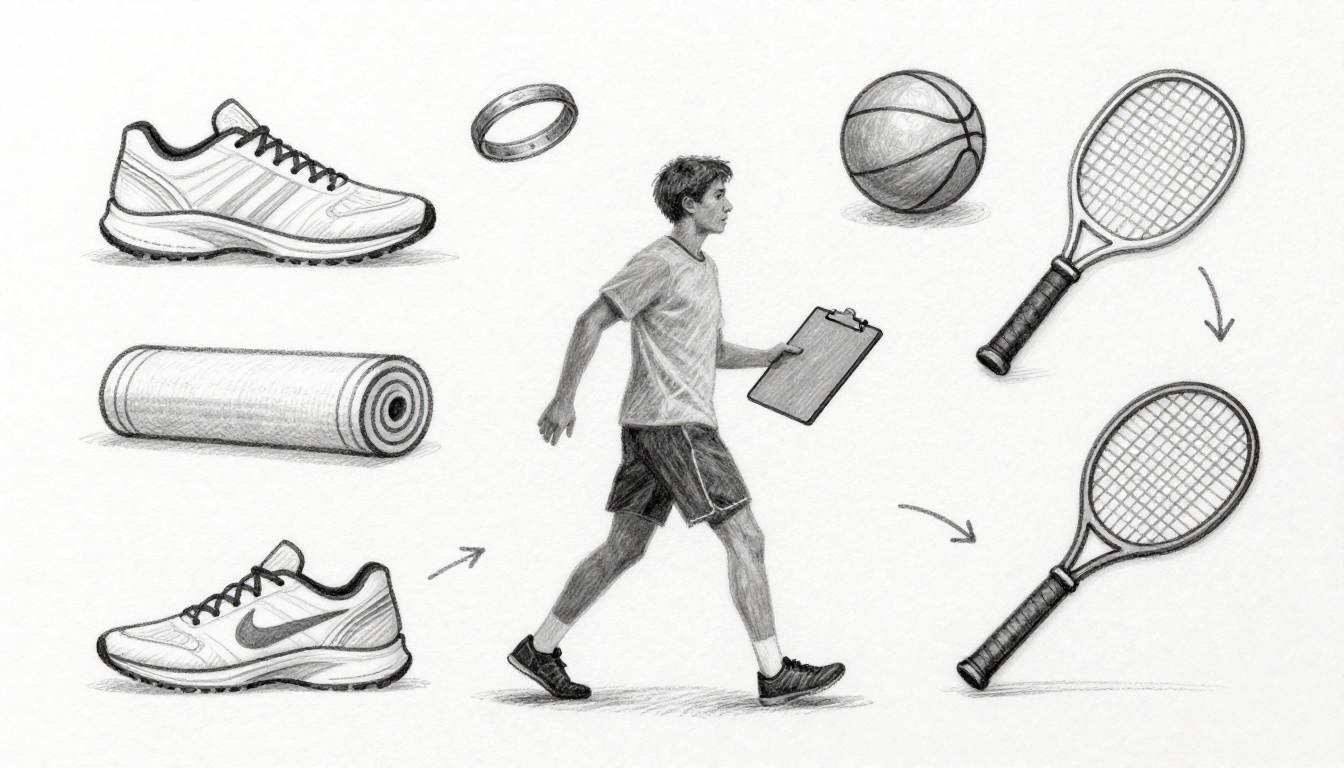
Picture this: you sign up for a high-intensity boot camp class on day one. Your muscles scream, and you limp home sore for a week. Or worse, you pick walking because it’s safe, but boredom hits fast. Both scenarios kill motivation.
Matching a sport to your fitness level changes everything. You stay injury-free, progress quicker, and actually enjoy the sweat. In March 2026, pickleball proves it: 24.3 million Americans play, up 171% in three years. Beginners flock because it’s simple and fun.
This guide helps you assess your level with easy tests. Then explore top sports for beginners, intermediates, and advanced athletes. Plus, weigh other factors for the perfect pick. Let’s find your match.
Figure Out Your Fitness Level with These Quick Tests
Start here before grabbing a racket or lacing skates. Simple home tests gauge strength, endurance, and speed. They use bodyweight or basic gear. Always warm up five minutes first: jog in place or arm circles. Consult a doctor if you have health issues. Retest every four to six weeks as you improve.
These benchmarks come from fitness standards. Pass most in a category? You’re set for those sports. For example, solid cardio suits running games. Strength points to power sports.
Here’s a quick table to score yourself. Time runs outdoors or on a track. Note your best effort after rest.
| Test | Beginner | Intermediate | Advanced |
|---|---|---|---|
| Push-ups (hand-release) | 15+ | 25-39 | 40+ |
| 1.5-mile run/walk | Under 15:20 | 11:31-13:30 | Under 9:45 |
| Broad jump | Reach your height | 5-10% over height | 10-20% over height |
| Resting heart rate | 60-100 bpm | 50-70 bpm | Under 60 bpm |
Track results in a notebook. Hit 80% of beginner marks? Move to easy sports.
Beginner Tests to Get Started
These need no gear. Do them safely on flat ground.
First, hand-release push-ups. Lie face down, hands under shoulders. Push up so chest clears floor, then hands lift off briefly. Lower and repeat. Aim for 15+. It shows upper body strength.
Next, body rows. Lie under a sturdy table. Grip edge, pull chest up. Do five or more. This builds back power.
Broad jump: from standing, leap forward. Measure distance. Reach your height? Good start.
Run or walk 1.5 miles. Use a phone app for time. Under 15:20 signals basic endurance.
Check resting heart rate first thing morning. Below 100 bpm means solid cardio base.
Pass four of five? You’re beginner-ready. Build from there.
Intermediate Challenges to Level Up
You’ve trained six months or more. These add load and speed.
Run 1.5 miles. Target 11:31 to 13:30. Focus on steady pace; breathe rhythmically.
Ruck march: strap a 20-30 lb backpack. Walk four miles under 1:04. Pick a trail; keep form upright.
Push-ups hit 25-39. Add shuttle runs: sprint 25 yards, touch line, back 10 times. Time under two minutes.
Broad jump now exceeds height by five to 10%. Practice explosiveness.
These suit folks past basics. They demand consistency. Log times to track gains.
Advanced Benchmarks for Top Athletes
Gym access helps here. These test elite capacity.
Run 1.5 miles under 9:45. Or mile under six minutes. Speed rules.
Ruck four miles with 50 lb pack under 52:00. Hills count double.
Push-ups exceed 40. Inverted rows: 15+ from a low bar.
Broad jump 10-20% over height. Add work capacity: burpees, pull-ups in circuits under time.
Seek coaching for form. These match high-power demands. Crush them? Go pro-level.
Perfect Beginner Sports to Build Confidence Fast
Low fitness? Pick sports with gentle starts. They scale up as you get stronger. 2026 trends favor social, low-impact options. You join communities fast. Parks offer free access. Benefits include fewer injuries and steady fun.
Pickleball leads. Soccer and basketball follow for team vibes.
Why Pickleball Is Exploding for Newbies
Grab a paddle; you’re playing in 15 minutes. The court shrinks to tennis size, so less running. Underhand serves forgive errors. Ball slows down too.
In 2026, courts grew 50% yearly. Parks convert tennis spots free. Paddles cost $30-60. Games last short; rallies build easy.
It boosts agility without overload. Social chats keep you hooked. Check Pickleball for Beginners: Ultimate Guide 2026 for rules.
Start at local courts. Play doubles first.
Soccer and Basketball for Team Fun
Join pickup games at schools or rec centers. No pro skills needed. Kick a ball; run light patterns.
Soccer builds cardio gradually. Dribble drills warm you up. Basketball adds jumps, but modify to half-court.
Groups motivate. Laugh off misses. Venues abound; evenings fill quick.
Both prevent boredom. Skills grow weekly.
Intermediate Sports That Challenge Without Overwhelming
You’ve passed basic tests. Now add strategy and intensity. These build on endurance. 2026 sees padel rise next to pickleball. Wingfoiling offers water thrills.
They demand balance yet forgive slips. Courts and beaches host most.
Padel: Your Step Up from Pickleball
Mix tennis and squash. Walls bounce balls back; rallies extend. Enclosed courts sharpen strategy.
Popular in spots like Scottsdale complexes. Rackets suit intermediates with power balance. See Best Padel Rackets 2026: Top 5 Picks for US Players.
It hones fitness without burnout. Net attacks build confidence.
Find clubs; lessons speed progress.
Wingfoiling for Water Adventurers
Hold a wing on a foil board. Winds lift you above waves. Less breeze works than full sailing.
Intermediate balance shines. Practice upwind first. Coasts like San Francisco bays suit.
Gear scales to skill. It varies workouts: core, legs, arms.
Rent setups; join schools for safety.
Advanced Sports for Peak Performance Seekers
Elite tests cleared? Chase coordination and power. Facilities matter. 2026 brings affordable tech like simulators.
Ice hockey and golf demand precision. Prep with targeted drills.
Ice Hockey: The Ultimate Team Power Test
Skate fast; check hard. Elite speed rules ice. Men’s and women’s leagues grow.
Rinks host adult leagues. Gear invests time, but thrills repay. Fitness must handle shifts.
Coordination peaks here. Train off-ice sprints.
Golf Simulators to Hone Pro-Level Swings
Home units from $300 sharpen drives. Full setups hit $20k for pros.
Practice year-round. Advanced timing shines. Track swings with data.
Perfect for precision seekers. Clubs offer too.
Other Key Factors to Nail Your Sport Choice
Fitness level sets the base. Now layer goals. Fun or competition? Solo runs or teams?
Location counts. Urban? Courts nearby. Coastal? Watersports.
Preferences guide: indoor for rain, outdoor for sun. Past injuries? Low-impact first.
Time fits busy schedules. Pickleball squeezes 30 minutes. Wingfoiling needs weekends.
Blend it all. Love water and got intermediate scores? Wingfoil. Doctor clears always.
Test one factor: list top three wants, match sports.
Pickleball hooked 24.3 million because it fits lives. You can too. Start with a fitness test today. Track wins, adjust as needed.
What’s your level? Share in comments the sport you’ll try. Get moving; progress awaits.