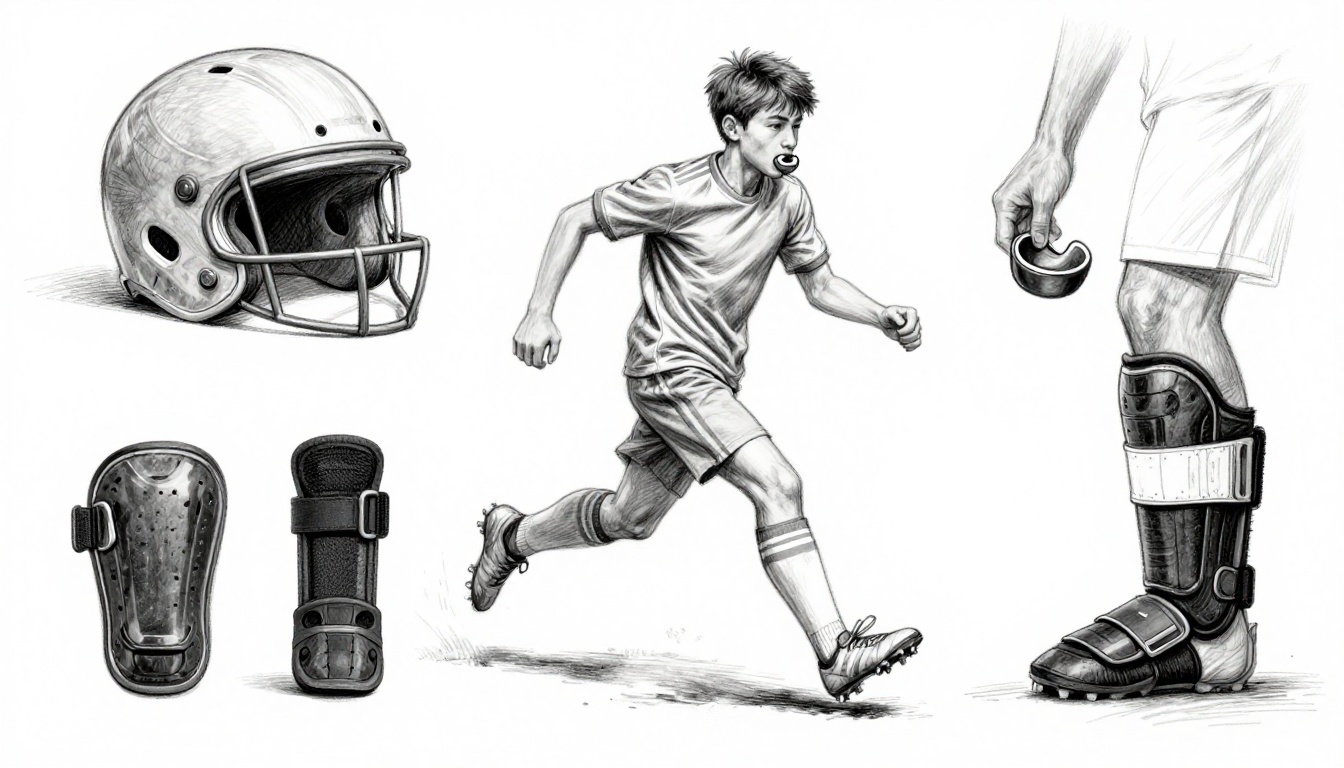
Picture a young soccer player charging down the field. She heads the ball hard but wears no mouthguard. A collision follows. She avoids a broken jaw because her coach spotted the missing gear first. Stories like this happen daily in youth sports.
Over 3.5 million kids under 15 suffer sports injuries each year in the US. About 775,000 need emergency room care. Sprains top the list, but head injuries worry experts most. Boys face twice the brain injury risk as girls in some sports. These numbers push groups like the NFHS to update rules.
Parents, coaches, and players all play a role. Basic safety rules cut risks. They cover gear checks, warm-ups, field setups, sport tweaks, and team duties. Follow them, and games stay fun. Let’s start with equipment that protects from the first whistle.
Gear Up Right: The Essential Equipment Rules Every Athlete Needs
Proper gear saves lives and limbs. Helmets, pads, and guards form the first defense. Always wear fitted pieces that match the sport. Check them often because worn items fail fast.
Helmets prevent most head blows. Mouthguards shield teeth and jaws. Pads cushion knees and elbows. Shin guards stop kicks in soccer. Replace anything cracked or faded. A snug fit matters more than brand names.
Parents often buy gear. Coaches inspect it. Players test the feel. Damaged equipment causes up to 20% of injuries. Simple habits keep everyone safe.
How to Check and Fit Your Gear Before Every Game
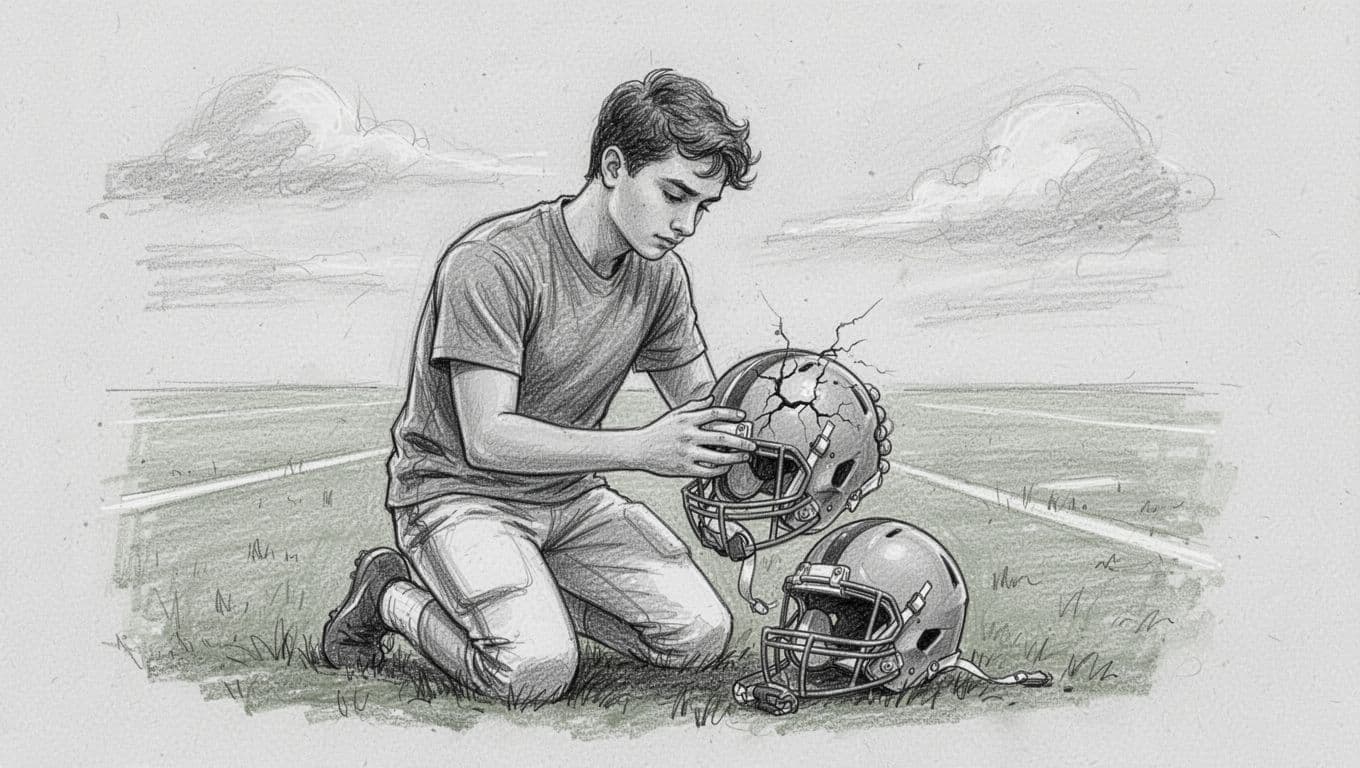
Inspect gear before each practice or game. Look for cracks in shells. Tug on straps for looseness. Feel for soft spots in pads. Worn items tear under stress.
Fit tests work best. Slide two fingers between helmet and forehead. They should not move much. Mouthguards cover teeth fully without gagging. Pads sit firm, not loose.
Coaches make checklists easy:
- Helmets: No dents, secure chinstrap.
- Pads: Even coverage, no rips.
- Guards: Clean, properly sized.
These steps take five minutes. They prevent slips that lead to falls. Parents join in. Everyone spots issues early.
Sport-Specific Gear Must-Haves from 2026 Guidelines
Rules vary by sport. Baseball demands helmets with snug chinstraps. Pitchers wear solid-color shirts. No illegal bats allowed.
Gymnastics adds mats four feet beyond beams. Ice hockey requires helmets, splinter-proof gloves, and blade covers. Track throwers use checked cages.
Follow NFHS equipment guidelines for details. They stress maintenance. Proper gear cuts cuts and breaks. Check local rules too. Updates keep pace with risks.
Prep Your Body and Space to Dodge Common Injuries
Body prep fights strains. Clear spaces stop trips. Hydrate often. Take breaks. These habits halve sprain rates.
Coaches lead warm-ups. Players listen to their bodies. Tired athletes err more. Hydrated ones last longer. Debris causes 10% of twists.
Follow game rules strictly. No shortcuts. Safe setups let skills shine.
Warm-Up Routines That Actually Work for Any Sport
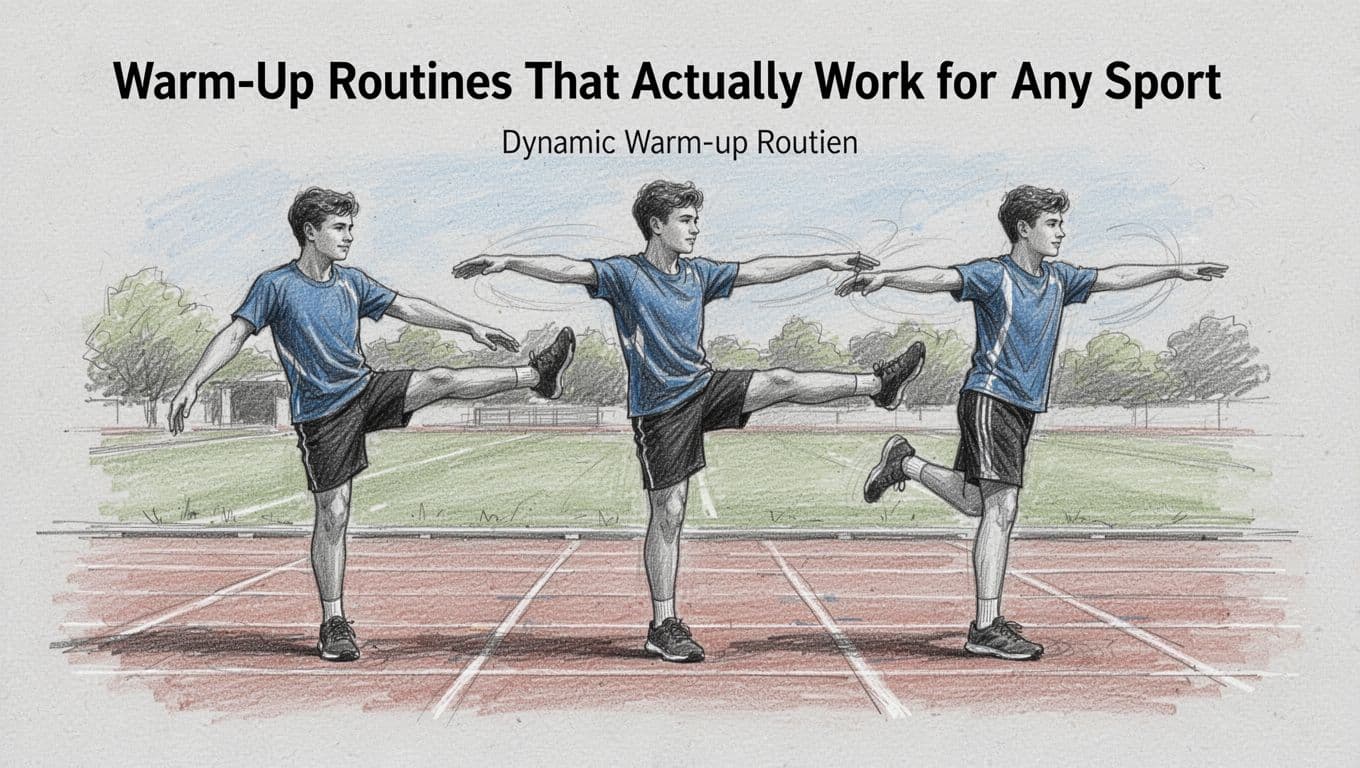
Skip static stretches when cold. They raise tear risks. Do dynamic moves instead. Spend five to ten minutes.
Start with light jogs. Add leg swings, arm circles, high knees. These boost blood flow. Muscles warm up fast.
Track events allow short warm-ups for late jumpers in 2026. Everyone benefits. Better prep means fewer pulls. Practice these daily.
See NFHS warm-up tips for more. They suit youth teams well.
Making Your Field or Court a Safe Zone
Walk the area first. Pick up rocks, water bottles, loose nets. Check lights for shadows. Mark throw zones with flags or ropes.
Pad hard edges. Wait for official signals in throws. No one turns backs to danger spots.
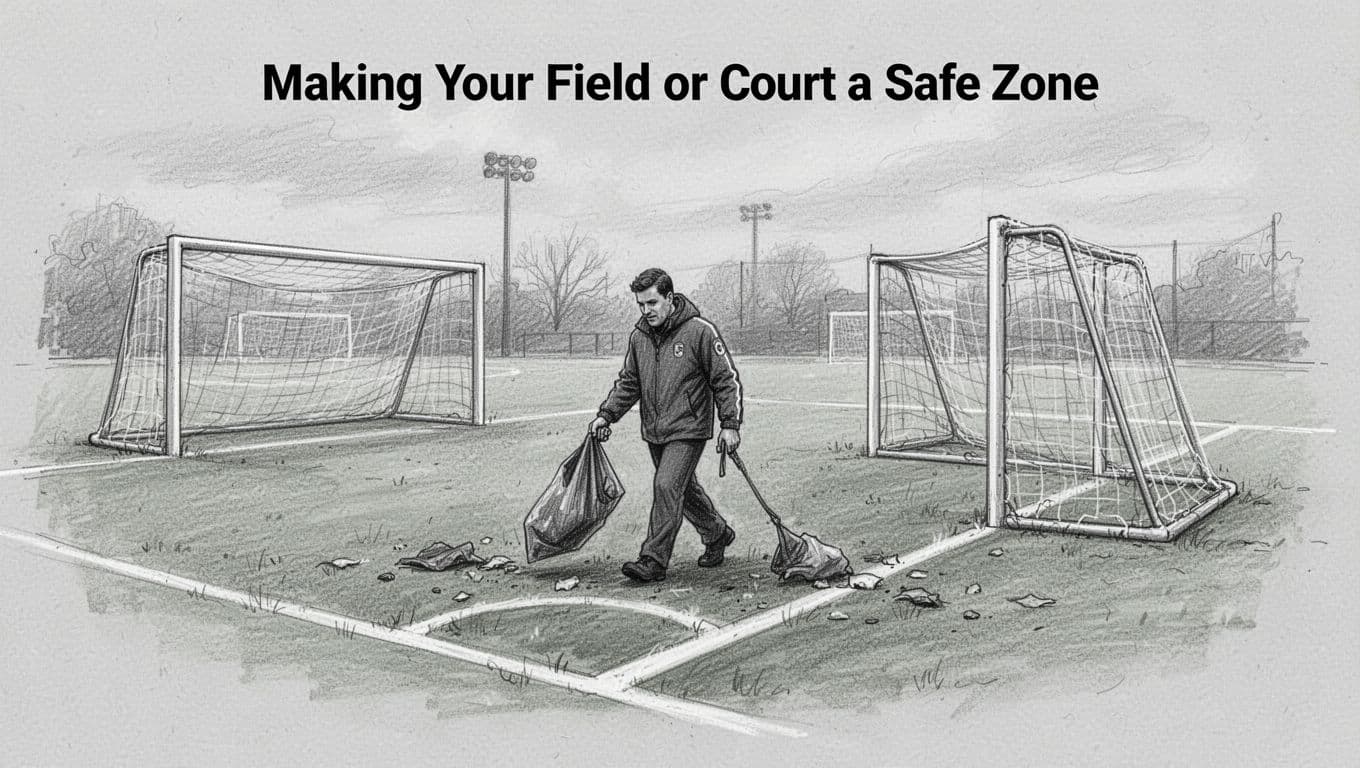
Coaches assign checks. Teams join. Safe fields build confidence. Hazards vanish quick with routines.
2026 Updates: Fresh Safety Rules for Popular Team and Track Sports
NFHS tweaks rules yearly. March 2026 brings spring sports focus. Recent injuries sparked changes. Preseason reviews save seasons.
Track adds javelin specs. Baseball mandates double bases soon. These cut collisions. Coaches enforce them now.
Review with teams. Safety first boosts play.
Track and Field Tweaks to Keep Jumpers and Throwers Safe
Throws demand top priority. Review protocols preseason. Set venues with clear zones. Coaches and officials check cages.
No audio devices in races. Health checks skip penalties. Late arrivals get short warm-ups for jumps.
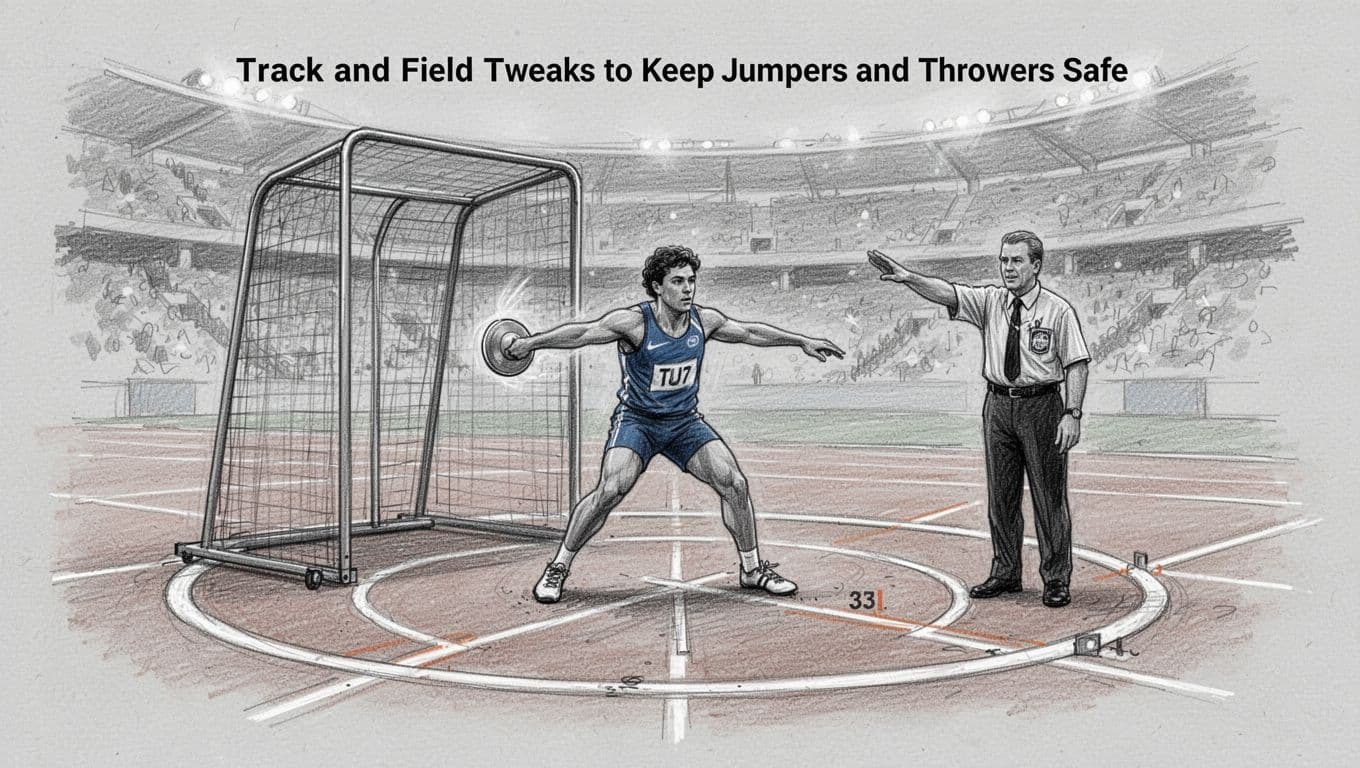
High jump needs more padding. See NFHS track points of emphasis for 2026. They reduce risks in practices too.
Baseball and Softball Changes Parents Need to Enforce
Helmets require chinstraps. Bats stay legal; no slinging after warnings. Pitchers skip grip aids or flashy shirts.
Double first bases start 2027 but prep now. Check NFHS baseball rule comments. Parents watch gear close.
These stop common hits. Games flow smoother.
Coaches and Players: Your Shared Duties to Stay Safe
Coaches get CPR certified. Stock first-aid kits. Enforce rest for hurts. No play-through pain.
Players report aches fast. Skip rough hits. Teams set no-foul-play rules.
Emergencies need calm steps. Call 911. Use CDC concussion training for basics. Safety cultures win long-term.
Everyone shares the load. Trust grows. Fun follows.
Safe sports start with basics. Wear fitted gear. Warm up right. Clear fields. Follow 2026 updates like marked zones and legal bats. Rest when needed.
Top five rules apply everywhere: Inspect equipment, dynamic warm-ups, hazard checks, report injuries, coach certifications.
Check your team’s gear today. Review NFHS sites free. Share these tips.
Ready to play safer this spring? What rule will you enforce first?
Quick FAQ: Busting Sports Safety Myths
Myth: Kids bounce back fast from head hits.
Fact: Concussions need doctor clearance. Use return-to-play steps.
Myth: More practice skips warm-ups.
Fact: 62% of injuries hit in practice. Prep always.