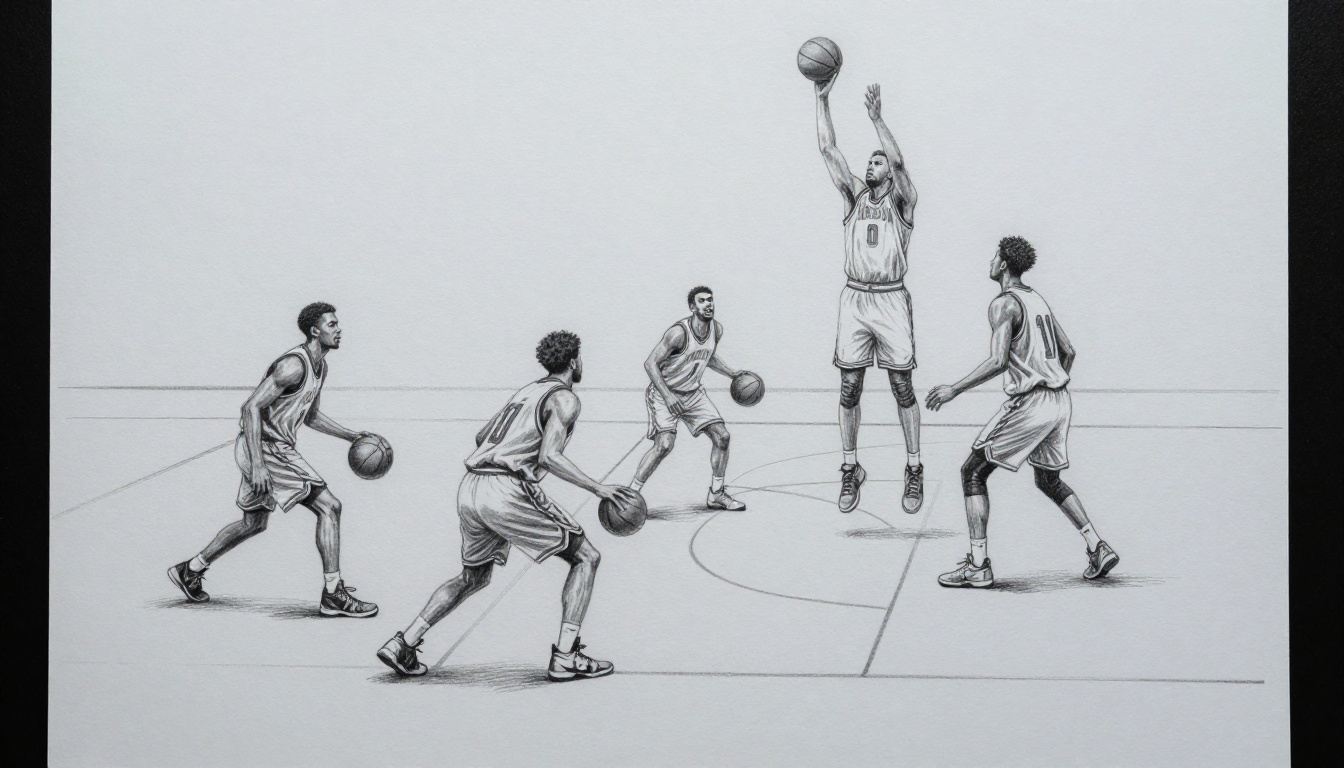
Picture this. You’re glued to an NBA game. The crowd roars as a quick guard zips past defenders. Meanwhile, a giant center swats shots like flies. Ever wonder why each player sticks to certain spots on the court?
Basketball player positions explained simply come down to five main roles. They create team balance for scoring, passing, and stopping opponents. Guards handle the ball. Forwards mix it up. Centers rule the paint. But today’s game blurs those lines with versatile stars.
Knowing these spots makes watching or playing hoops way more fun. You’ll spot stars shine and predict plays. This guide covers each position’s jobs, key skills, top examples, lineup basics, and modern twists. Let’s break it down.
Why Player Positions Matter More Than You Think
Positions give teams structure. They balance offense, defense, and flow. Coaches build around two guards, two forwards, and one center. This lineup covers the full court.
Starters match opponent strengths. Subs bring fresh legs or fixes, like better shooters. For example, in the recent Knicks-Wizards game on March 22, 2026, Knicks used their power forwards and centers to dominate rebounds and inside scoring. They won 145-113 because bigs controlled the paint.
Fans love it too. Spot the point guard calling plays. Predict drives from shooting guards. Positions help you follow stars and strategies. Basic plays like the pick-and-roll start here. One player screens. The other rolls for a pass or shot.
Teams win with matchup smarts. A strong lineup stops fast breaks and opens threes. Next, see how guards kick things off.
Breaking Down the Guards: Point Guard and Shooting Guard
Guards run the backcourt. They bring the ball up, score, and set tempo. These two spots demand speed and smarts.
Point Guard: The Floor General Who Runs the Offense
Point guards act like quarterbacks. They dribble up court after misses. They call plays and pass to open teammates.
Vision tops their skills. They spot cutters and shooters. Dribbling beats pressure. Passing finds lanes. Quick calls keep flow smooth. They guard the best opponent guard too.
Shai Gilgeous-Alexander leads now. With the Thunder, he scores 31.4 points per game and dishes assists. Cade Cunningham shines for Pistons with top assist rates. Both mix scoring and setup.
Think of them directing traffic. A fun fact: Chris Paul once set an NBA record for steals as a vet point man. For more on roles, check this basketball positions guide.
In short, point guards make offenses click.

Shooting Guard: The Sharpshooter Who Lights Up the Scoreboard
Shooting guards focus on buckets. They nail threes, spot-up shots, and drive sometimes. Off-ball movement keeps defenses guessing.
Elite shooting defines them. Footwork creates space. They handle contact well. Unlike point guards, they score off screens more.
Tyrese Maxey pours in 29 points per game for the 76ers. Donovan Mitchell scores 27.9 for Cavaliers. Anthony Edwards adds athletic drives at 29.5 for Timberwolves.
Remember Edwards’ game-winner last season? He curled off a screen for the dagger three. Shooting guards stretch floors. They contrast point guards by chasing points over passes.
Teams feed them in key moments. As a result, they boost scoring runs.
Mastering the Forwards: Small Forward and Power Forward
Forwards bridge guards and centers. They score, rebound, and defend multiple spots. Wings bring versatility.
Small Forward: The Do-It-All Wing Who Fits Anywhere
Small forwards handle everything. They score inside or out. They grab boards, pass, and lock down wings or guards.
Versatility rules. Good shooters drive too. Athleticism helps on jumps. They switch on defense easily.
Jaylen Brown scores 28.6 points for Celtics. Kevin Durant adds 26 for Rockets with his length. Both dominate all-around.
Imagine LeBron in his prime switching picks. Small forwards adapt. They fit any lineup because they guard 1-through-4.
Their hybrid style shines in transitions. For example, they fast-break ahead for dunks.
Power Forward: The Rebounding Muscle with Modern Range
Power forwards battle inside. They rebound both ways, score in post, and set picks. Now they shoot threes too.
Strength grabs tough boards. Post moves score close. Rebounding clears space. Pick-and-rolls create for bigs.
Giannis Antetokounmpo blends power and speed for Bucks. Jalen Johnson breaks out with boards and blocks. Julius Randle adds 21 points for Timberwolves.
Versus centers, they matchup physically. Modern “stretch fours” pop threes. This pulls defenders out. Teams love their dual threat.
Fun matchup: Giannis posting up smaller foes. Power forwards anchor fronts.
Center: The Paint Protector and Rim Finisher
Centers own the paint. They finish lobs, grab rebounds, and block shots. Height changes everything.
Center: Towering Force Who Owns the Basket
Centers dunk and layup feeds. They box out for boards. Blocks alter drives. They roll hard in pick-and-rolls.
Height and power dominate. Timing swats balls. Footwork scores inside. Some stretch with threes now.
Nikola Jokic dazzles for Nuggets. He leads in assists at 44.6% for centers. Victor Wembanyama blocks and shoots. Joel Embiid scores and defends post.
Old-school centers stayed put. New ones move. Paint protection cuts easy buckets by 20%. In the Knicks game, Karl-Anthony Towns grabbed 16 rebounds as center.
Centers anchor defenses. See details in this positions explained resource.
How Positions Are Blurring in Today’s Positionless NBA
Traditional spots fade. Players switch roles freely. Bigs shoot threes. Guards rebound.
Pace and spacing drive it. Analytics favor versatility. Teams switch defenses 1-through-5. Five wings beat rigid bigs.
Victor Wembanyama crosses over as center. Jokic passes like a guard. Giannis guards everywhere. Curry scores without fixed spot.
Benefits include flexible lineups. Defenses struggle mismatches. Small-ball speeds games. For trends, read this positionless basketball overview.
Yet basics remain. Point guards secure balls amid presses. In 2026, skilled size rules. Adapt your view. It keeps hoops fresh.
See Positions in Action: Lineups and Game Strategies
Starting five mixes balance. Two guards push tempo. Two forwards score. Center protects.
Bench subs tweak matchups. Small-ball drops center for speed. Big lineups pound inside.
Pick-and-roll pairs point guards with centers. Shooting guards space threes. Small forwards cut baselines.
In Lakers-Magic on March 21, guards drove while centers blocked. Knicks used bigs for paint control versus Wizards.
Watch broadcasts for labels. Track switches. Quiz yourself: Who’s the floor general? Spot roles next game.
Strategies win titles. You’ll feel like an expert.
Now you grasp basketball’s five positions and shifts. Guards lead. Forwards adapt. Centers anchor. Positionless play adds flair, but roles base it all.
Rewatch games spotting jobs. Share your favorite position below. Try pickup and call plays. Subscribe for more hoops tips.
You’re set to talk basketball like a pro!