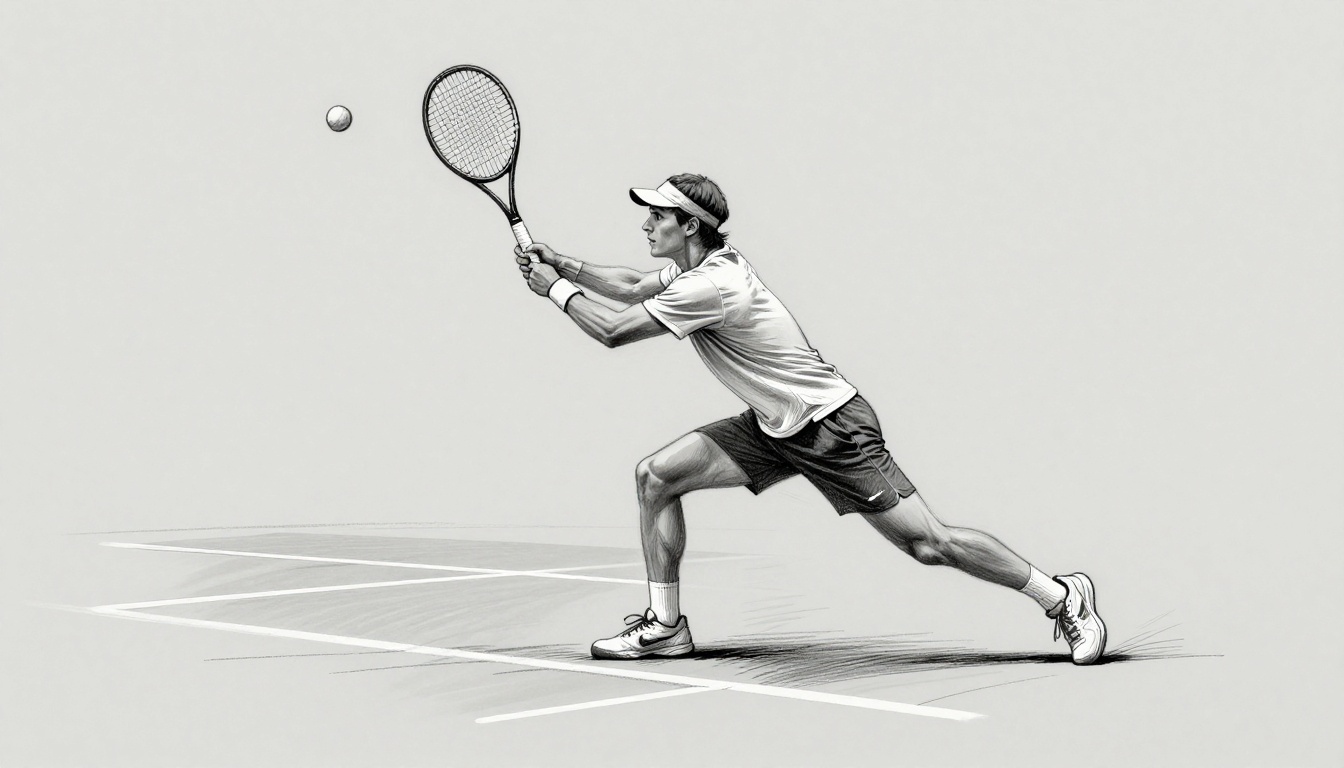
Picture this. You step onto the court, racket in hand, but every ball feels out of reach. Your shots miss the mark. Frustration builds fast. Fundamental skills in tennis change that picture. They turn beginners into confident players who rally for fun.
Tennis pros in March 2026 swear by these basics. Coaches use AI tools to fix footwork first because it sets up every shot. Apps like SwingVision track movements in real time. You don’t need pro talent. You need solid foundations.
This guide covers the essentials. Footwork gets you to the ball. Core strokes like forehand and serve build your attack. Consistency keeps rallies alive. Court awareness adds smarts. Smart practice locks it in. Master these, and you’ll play better right away.
Footwork: The Hidden Key to Reaching Every Ball
Footwork beats arm strength every time. It positions you for clean hits. Pros spend more time moving than swinging. Bad movement means off-balance shots. Good footwork fixes that.
Start with the split step. You hop slightly as your opponent swings. Land on your toes. Bend your knees. Arms stay out for balance. This readies you to explode left, right, forward, or back. Beginners gain quicker reactions. No more scrambling.
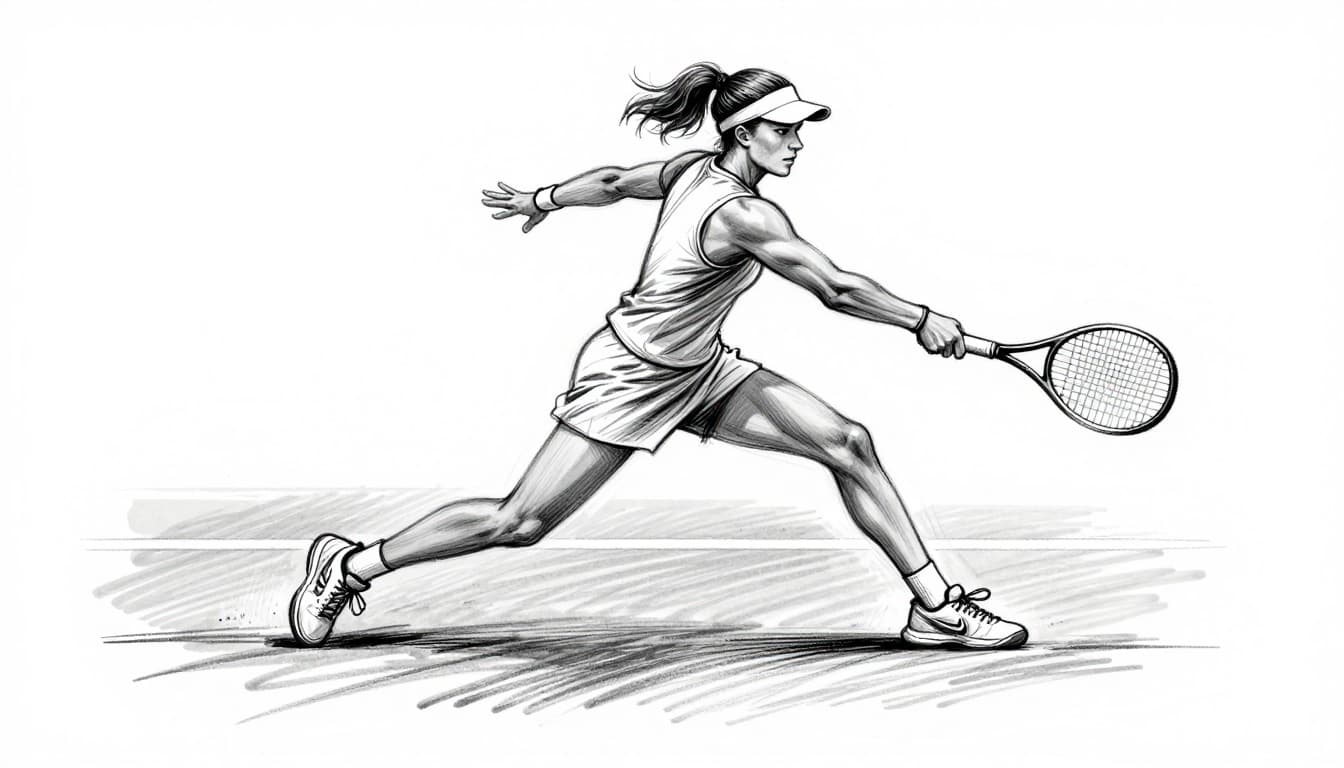
Practice without a racket first. Jump in place. Time it to a partner’s call: “left” or “right.” Do 20 reps. Then add shuffles. For more drills, check this guide on tennis footwork drills. It shows ladder work and cone shuffles. These build agility fast.
Recovery matters too. After each shot, shuffle back to center. Keep your balance. Don’t stand still. Poor posture kills control. Side shuffles help. Shadow swings with recovery steps work solo.
Master the Split Step for Lightning Reactions
Time your split perfectly. Watch the opponent’s racket. Hop just before contact. Land soft. Knees flex. This shortens your first step.
Benefits stack up. You start faster. Reach tough serves. Partners notice the difference in drills. Repeat splits. Call directions aloud. Build muscle memory.
In games, it shines on returns. No more late swings. Practice daily. You’ll react like pros.
Recovery Steps and Balance to Own the Court
Shuffle back after forehands or backhands. Stay low. Eyes on the ball. Common mistake: sideways chases. They tire you out.
Drills fix it. Mark your home spot with tape. Hit then recover. Play recovery games. Loser of point does extra shuffles. Balance leads to consistency. You get more easy balls.
Core Strokes: Forehand, Backhand, Serve, and Volley Basics
Strokes form your rally toolkit. Focus on clean contact, not power. Grips matter. Use continental for serves and volleys. Eastern for groundstrokes.
Progress slow. Shadow swings build form. Wall hits add bounce. Partner feeds test control. Apps like PlaySight give video feedback in 2026. They spot flaws instantly.
These shots create dependable play. Deep balls force errors. You control points.
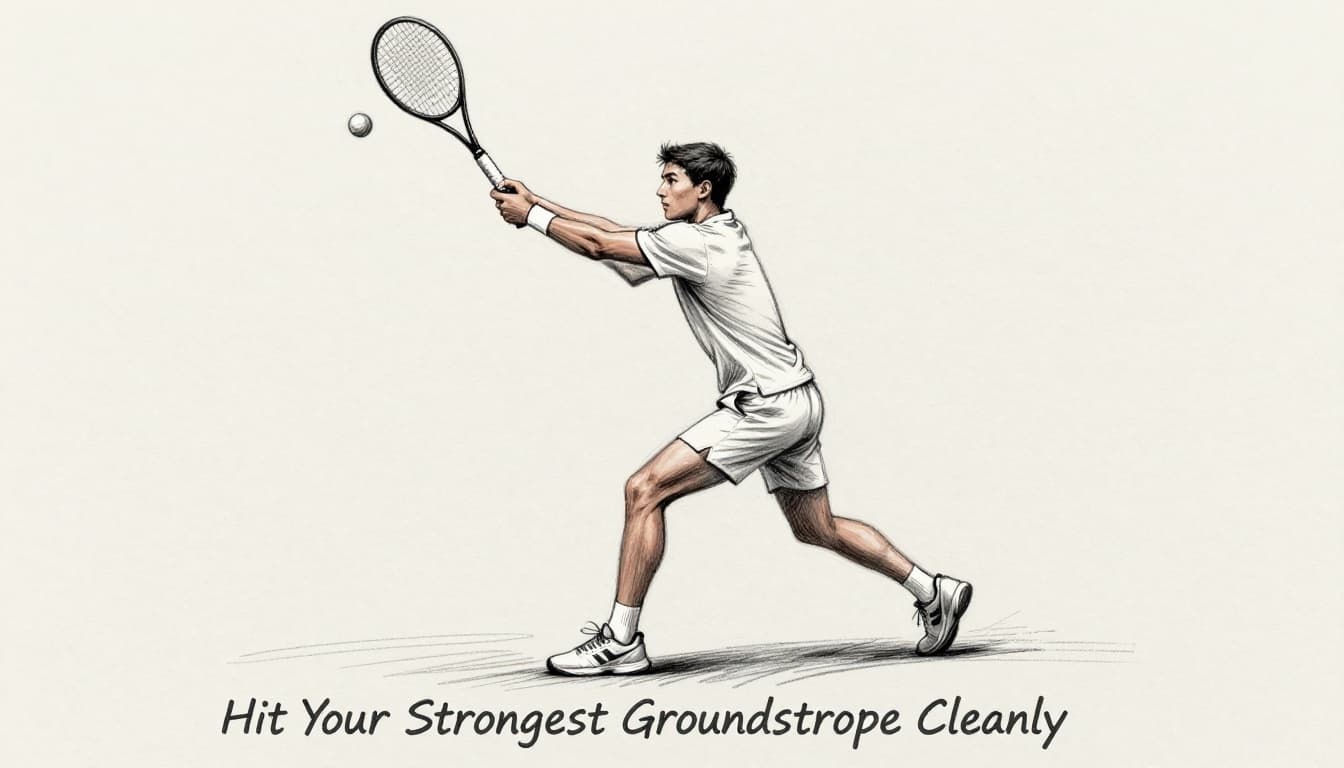
Forehand: Hit Your Strongest Groundstroke Cleanly
Turn your unit. Shoulders rotate. Swing low to high. Contact out front. Aim deep over the net.
Beginners love this stroke. It covers most court. Drills start simple. One-bounce rallies. Target mid-court. Add wrist snap to kill slices.
Rafa Nadal built his monster forehand on basics. You can too.
For technique tips, see LTA’s forehand guide. It breaks down the swing step by step.
Backhand: Build Confidence on Both Sides
Go two-handed for stability. Turn shoulders. Keep the swing compact. Rotate your body, don’t arm it.
This covers your weak side. Cross-court rallies build it. Drills feed balls both ways. Confidence grows. You attack now.
Common error: solo arm swings. They lack power. Body turn fixes that quick.
Serve: Start Points Strong and Consistent
Grip continental. Toss straight. Pronate for spin. Aim 70% in the box.
2026 trends push slice serves. They curve wide. Consistent tosses win. Practice from the service line first. Video apps like SwingVision check your form.
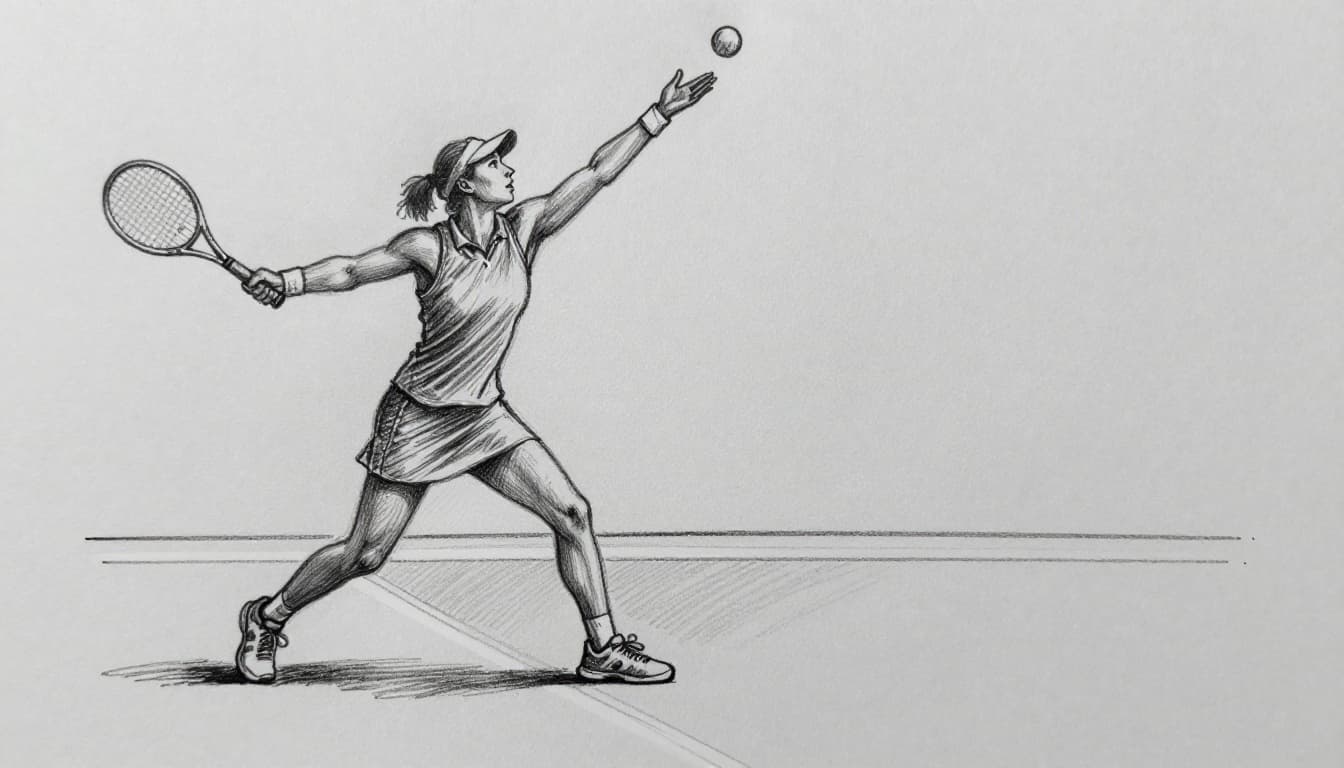
Slow rhythm helps. Bounce once or twice. Track your percentage. For more, try LTA serve basics.
Volley: Punch the Ball at the Net
No big swing. Punch short. Step in. Eyes lock on contact.
Finish points fast. Partner feeds build it. Stay in ready position. Blurred background drills sharpen focus.
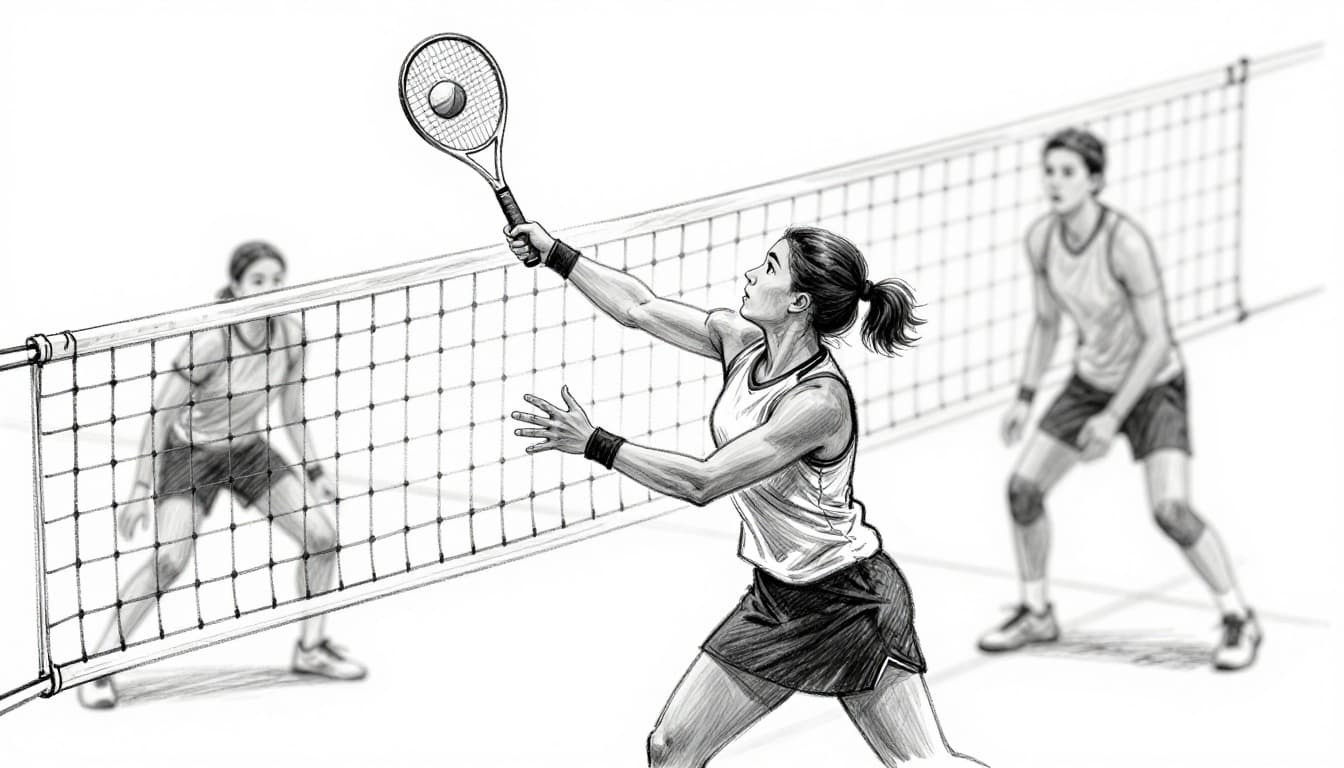
Consistency and Control: Rally Longer, Win More Points
Power loses points. Consistency wins them. Aim middle. Clear the net 2-3 feet. Hand-eye drills sharpen timing.
Fewer errors build confidence. Wall rallies count to 50. Progressive feeds add distance. Ditch smashes. Embrace rallies.
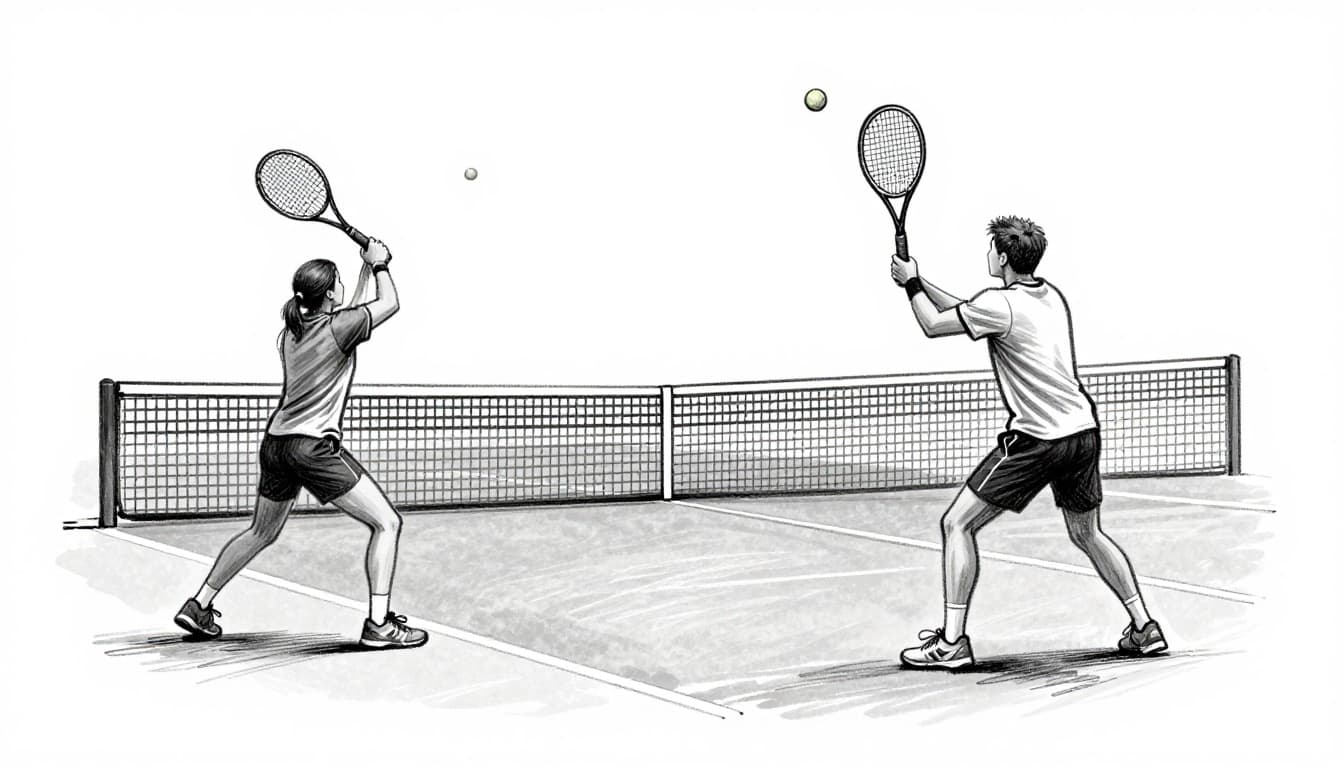
Beginners rally longer with these tips from this consistency article. Pros make 80% of shots because they play safe.
Predict paths next. Read spin early. Intermediates spot it fast.
Court Awareness and Smart Tactics for Beginners
Stand center ready. Adjust for opponent shots. Hit deep. Approach on weak returns.
Watch racket face for spin. Basic tactics win matches. Drills call “deep” or “short.” Wearables like PlaySight track position in 2026.
Fewer surprises mean smarter play.
Position Yourself to Control Every Rally
Home base rules. Split for returns. Avoid sideways runs. Tape drills mark spots. Recovery games enforce it.
You dictate rallies now.
Read Opponent Shots to Anticipate Moves
Eye the string bed. Spot topspin or slice. Body leans hint direction. Lob threats keep them back.
Builds on footwork. Anticipate, then pounce.
For beginner tactics, explore this tennis tactics guide.
Practice Like a Pro: Modern Tips to Lock in Skills
Mix drills with games. Fun keeps you going. Structured plans beat random hits.
2026 apps shine. FastTrackTennis tracks drills. Offcourtz AI analyzes shots. Video feedback fixes form. Variety fights boredom.
Recap footwork daily. Stroke feeds twice weekly. Play points weekends. Start small. Track wins.
Apps pair with real court time. Progress shows fast.
Master footwork, strokes, consistency, awareness, and practice. These fundamental skills in tennis win games. Basics beat flash every time.
Pick one drill today. Try split steps or wall rallies. Join a local class. Share your first long rally below. What’s your next skill?