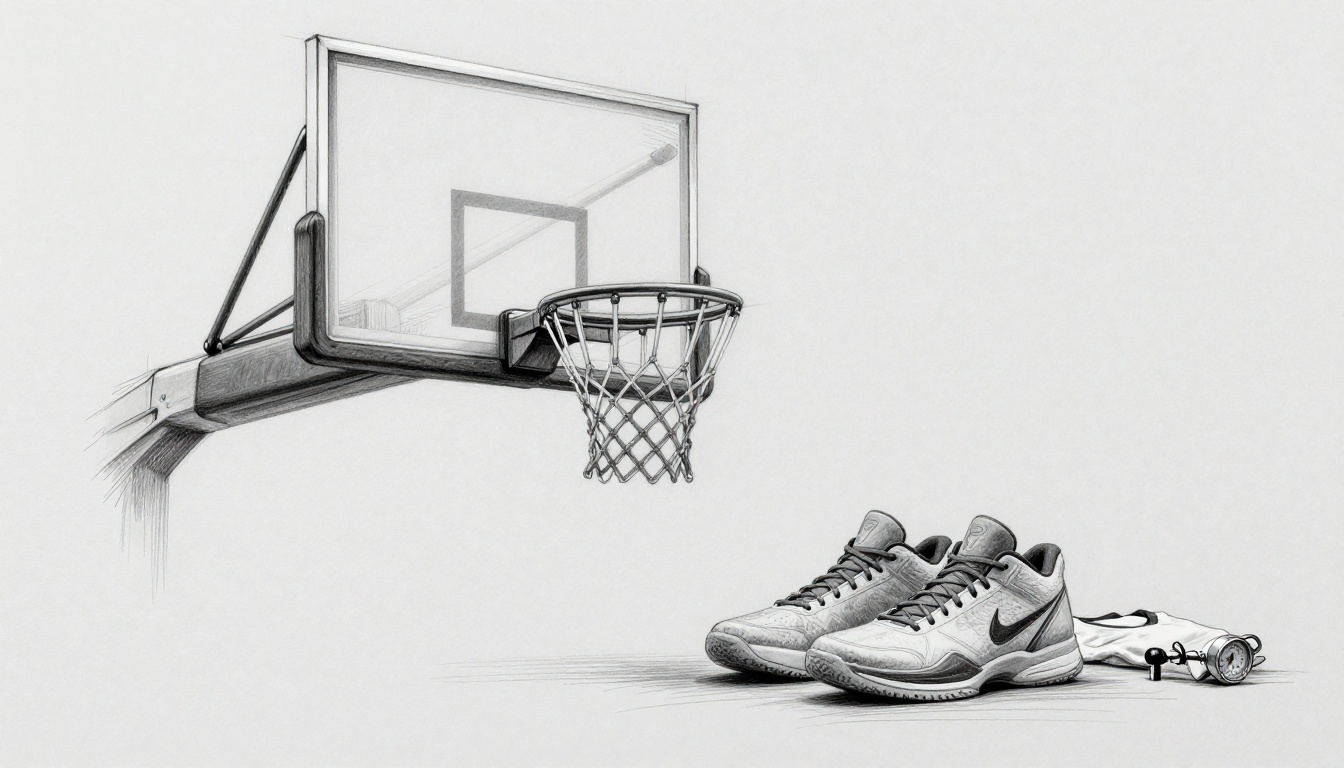
Ever grabbed a basketball that felt off, and your shots kept rimming out? Proper gear changes that. Studies show the right ball size and pressure boost shooting accuracy by 5-10%, while grippy shoes cut slips by 30%. Suddenly, your casual pickup game feels pro-level.
You might play for fun on the driveway or join a league following FIBA or NBA rules. Either way, basic basketball equipment requirements keep things safe, fair, and exciting. Wrong specs lead to injuries or uneven play; official ones prevent twists, improve bounce, and let you focus on skills.
That’s why beginners, weekend warriors, and serious players all need the essentials: a regulation ball, standard hoop setup, team uniforms, supportive shoes, and key accessories like pads or sleeves. Knowing FIBA’s 10-foot hoop height or NBA’s exact ball weight (around 22 ounces) matters for real gains.
First, let’s break down the basketball itself, from size to air pressure.
Picking the Right Basketball: Official Size, Weight, and Material Specs
You need the correct basketball to match your game. Official basketball size requirements for FIBA and NBA start with Size 7 for men. That means a circumference of 29.5 to 30.7 inches and weight between 20 and 22 ounces. Both leagues use leather or a rubber-like composite material. These specs create consistent bounce and grip. As a result, players handle the ball the same way every time.
FIBA and NBA rules align closely, but small tweaks exist for pro play. FIBA follows its Official Basketball Rules 2024, which detail equipment precisely. NBA balls, made by Wilson, hit similar marks. Why does this matter? A too-small ball slips from your fingers during fast breaks. An oversized one tires your arms quicker. Proper size boosts control and reduces turnovers.
Here are the key specs side by side:
| Spec | FIBA (Men’s Size 7) | NBA (Men’s Size 7) |
|---|---|---|
| Circumference | 29.5-30.7 inches | 29.5 inches |
| Weight | 20-22 ounces | 22 ounces |
| Material | Leather or composite | Leather (pebbled) |
| Inflation | 0.49-0.55 bar (7.1-8 psi) | 7.5-8.5 psi |
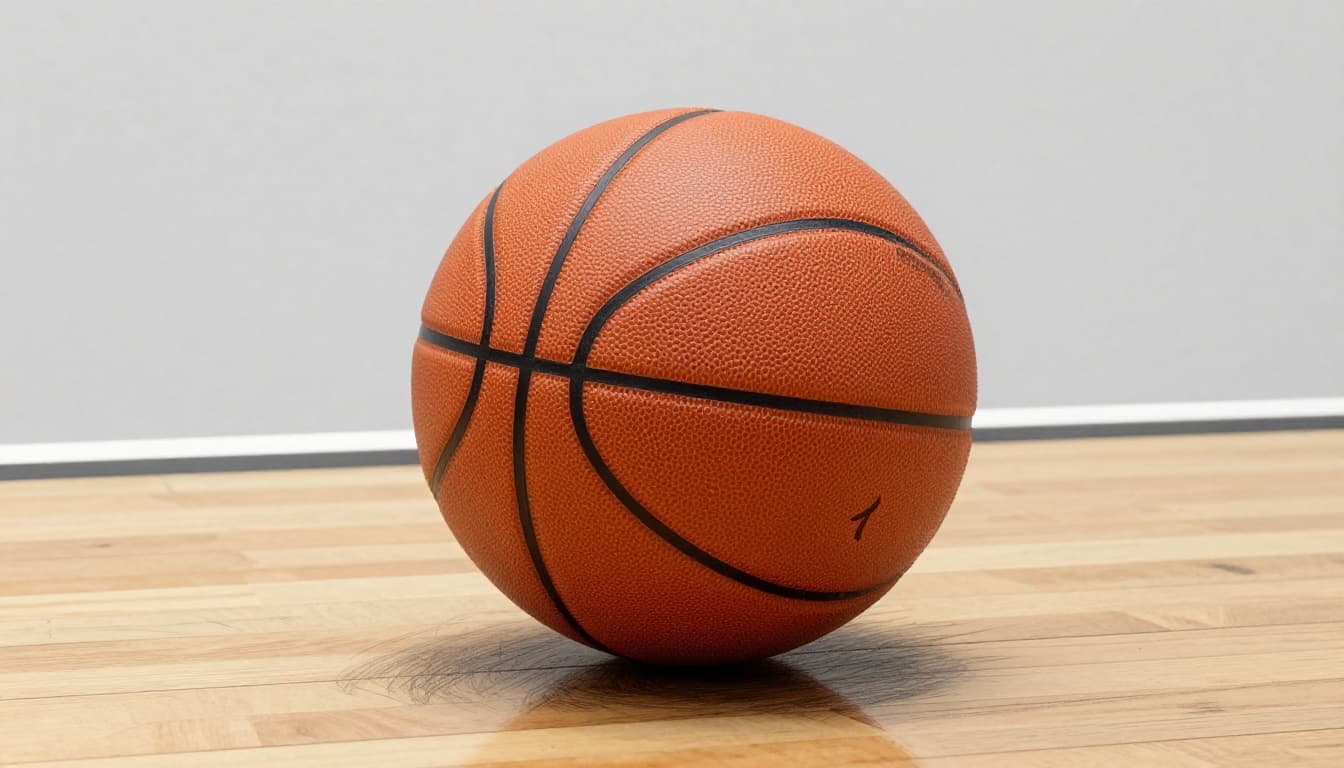
For home use, grab a durable outdoor ball with rubber grip. It lasts on concrete driveways. Official games demand indoor leather for that pro feel. Check labels for “Size 7, official weight.” Test bounce before buying. Wrong size hurts play because it changes spin and arc. Your jumpers fly short or long. Stick to these, and your shots feel natural.
How Inflation Pressure Affects Your Shot
Air pressure decides bounce and feel. FIBA requires 0.49-0.55 bar, about 7.1-8 psi. NBA calls for 7.5-8.5 psi. Proper inflation gives firm grip. Too little air makes the ball mushy; shots lose power. Overinflate, and it slips like a wet fish.
Test it simple: Drop from 72 inches onto a court. A good ball rebounds 49-54 inches. Underinflated ones barely hit 40. This matters because soft balls absorb energy on dribbles. You push harder, tiring faster. Firm ones spring back, so your passes zip true.
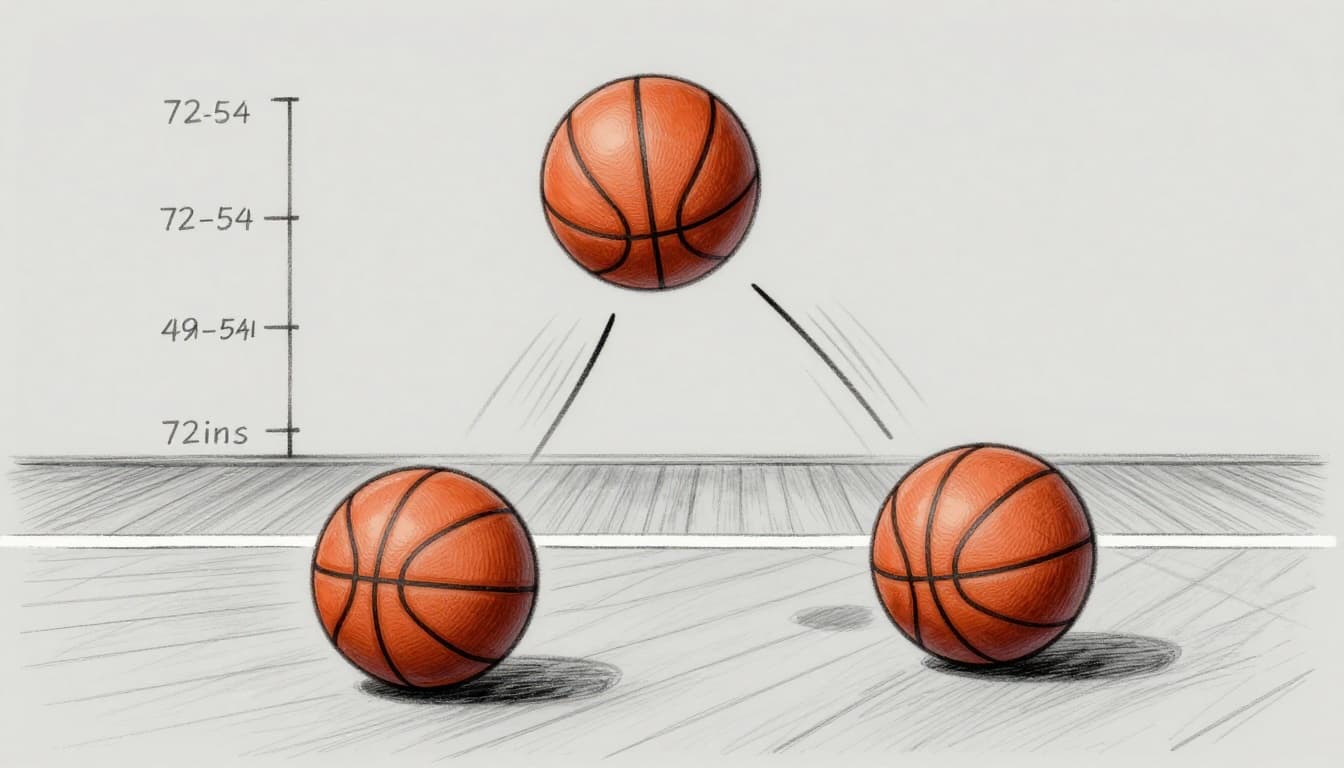
Common mistakes kill your game. Beginners overinflate for “pop,” but it kills spin control. Pros underinflate by accident after storage. Science here stays basic: Air acts like a spring. More pressure means quicker rebound and better hand contact. Grip the seams tight, and watch your shot arc perfect. Pump it right each session. Your rim percentage climbs.
Setting Up the Hoop and Backboard: Exact Dimensions for Real Play
You want shots that swish just like the pros. So, match basketball hoop requirements exactly. Both FIBA and NBA demand a rim 18 inches across. Mount it 10 feet above the court. Add a white cord net with 12 loops. These specs create true rebounds and bank shots. FIBA backboards measure 1.8 by 1.05 meters (about 71 by 41 inches). NBA uses 72 by 42 inches. Both call for clear tempered glass. As a result, players see the shooter’s square clearly for aim.
Standards matter because they cut injury risks. A wobbly hoop twists ankles on drives. Off-size rims warp shot arcs. Stick close at home, and your practice mirrors game day. Pro courts use in-ground poles for stability. Backyard setups often go portable. Both work if you hit the dimensions.
Check FIBA Official Basketball Rules 2024 or NBA court dimensions for full specs. In short, measure rim height from the floor. Use a level for the backboard. Secure nets tight so they don’t snag fingers.
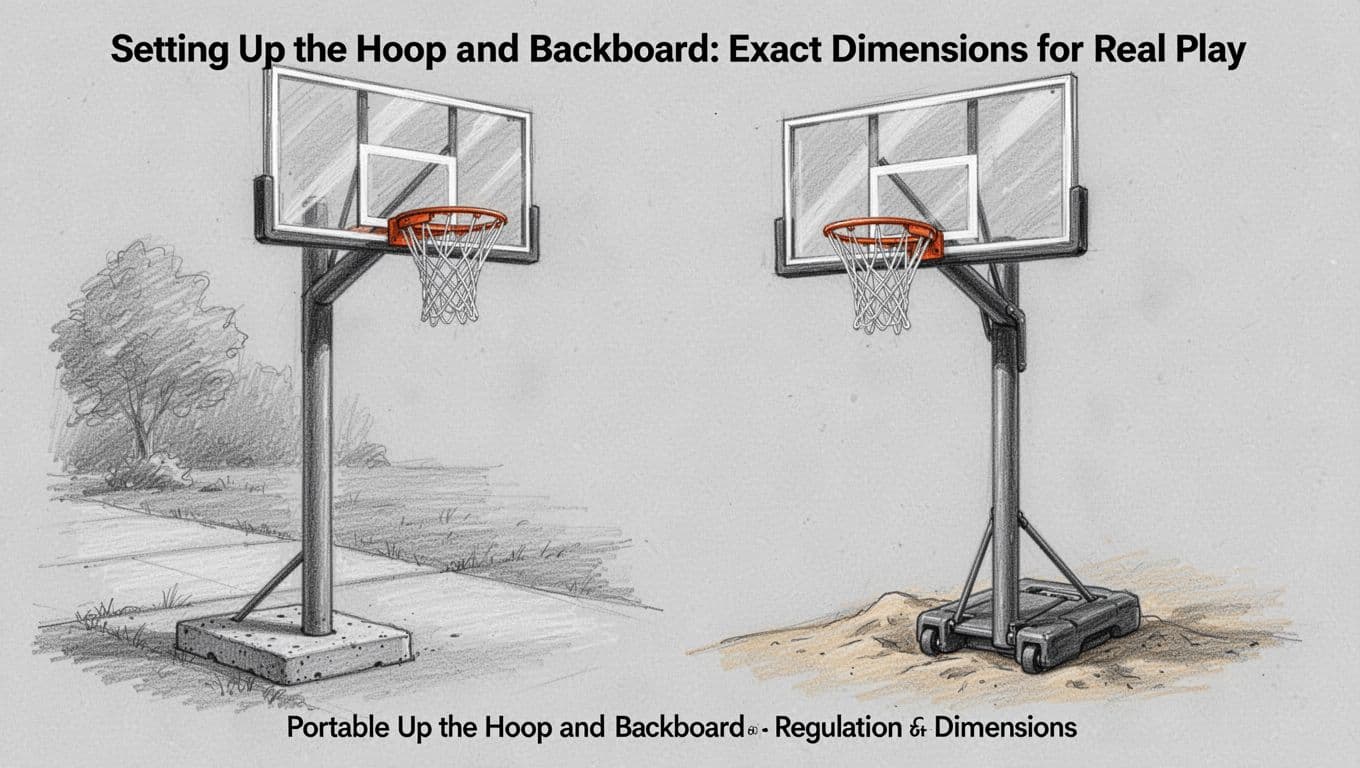
Pick in-ground for permanent play. Pour concrete deep for wind resistance. It stays rock-solid during dunks. Portable bases fill with sand or water. Roll them easy for storage. However, tip them less often. Both need 10-foot height. So, your jumps feel right every time.
Backboard Padding and Safety Features You Need
Safety turns good setups great. Tempered glass backboards shatter into pebbles if hit hard. No sharp edges mean fewer cuts. FIBA Level 1 rules require 1/2-inch thick panels. NBA follows suit. In addition, padding covers edges and frames. It cushions collisions during rebounds.
Recent trends favor unbreakable glass designs. Brands add steel frames that take 98% of stress. Rims mount to the frame, not glass. This prevents cracks from hangs. Meanwhile, gaskets seal gaps. Shooter’s squares help aim without glare.
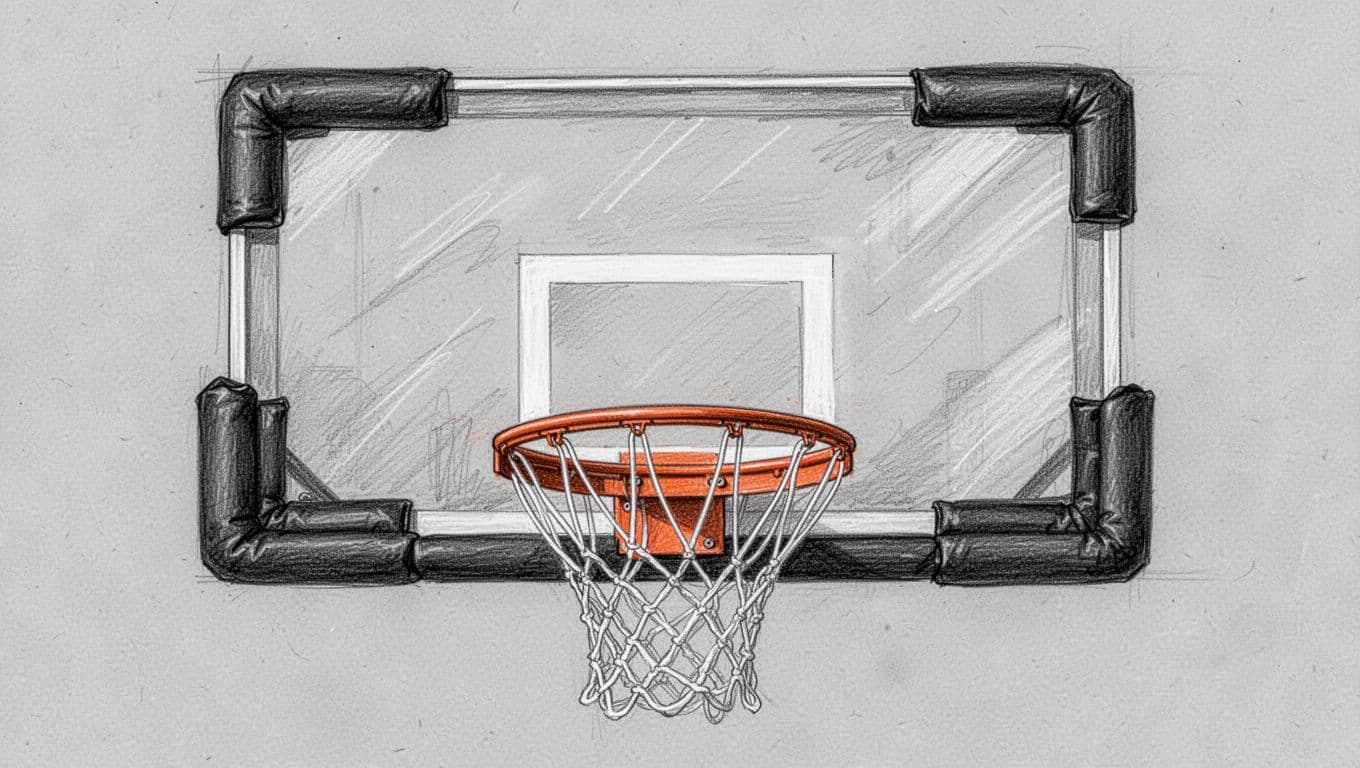
Why add these? Players crash hard for boards. Padding absorbs bumps. It lowers bruises by half. Pro games mandate them. Backyard hoops benefit too. Kids dunk safer. Check for pre-drilled pads. Most boards include them.
Here is what to look for:
- Thick edge padding: 1-2 inches wide, foam or rubber.
- Offset rim mounts: Bolts to frame only.
- Leveling braces: Keep everything flat.
Install padding first. Then test rebounds. Balls carom true off glass. Soft ones flop. Your bank shots improve fast. Above all, safety lets you play hard without worry.
What to Wear: Jerseys, Shorts, Socks, and Uniform Rules
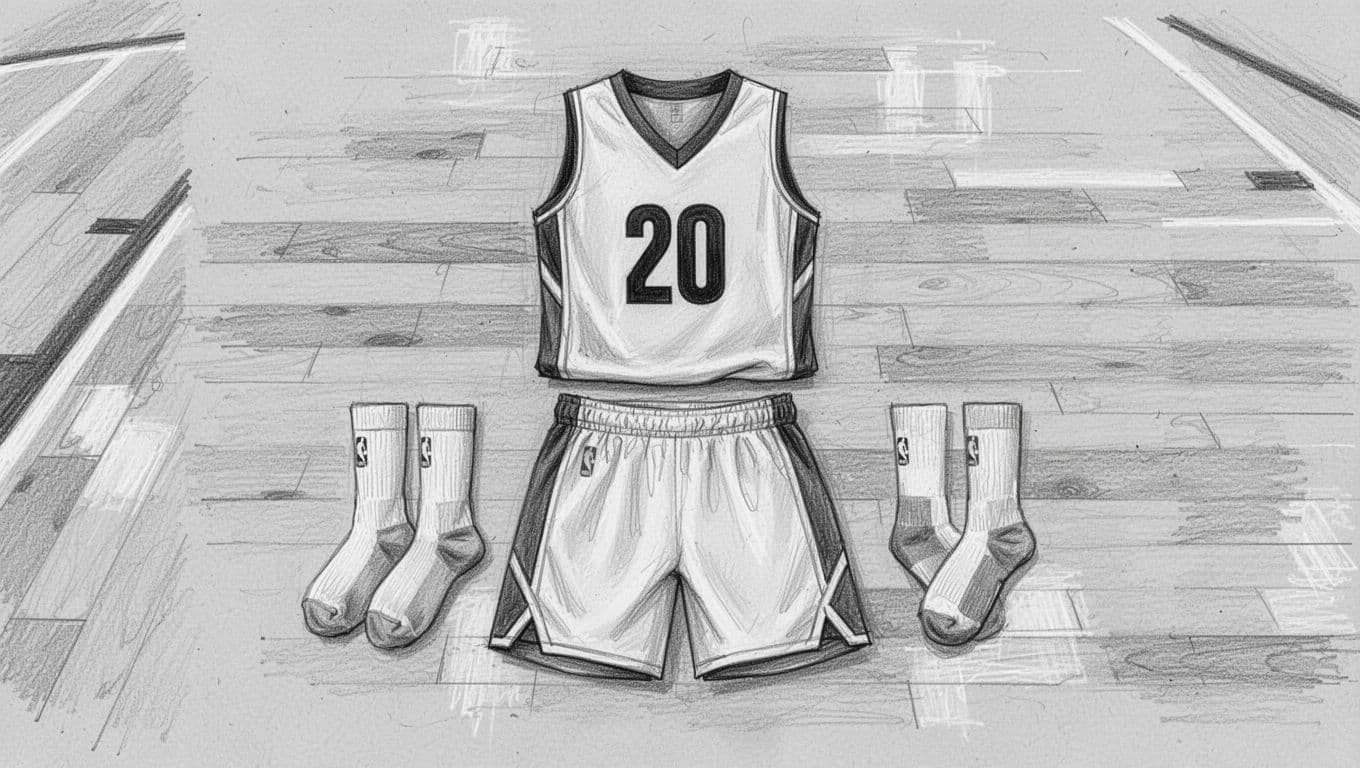
Your uniform sets the tone on the court. Basketball uniform requirements from FIBA and NBA keep teams looking sharp and playing fair. Both leagues demand matching jerseys, shorts, and socks in team colors. FIBA sticks to simple V-neck jerseys with numbers from 0-99 in sizes 4 to 36 inches tall. Shorts must match, no pockets, and socks stay uniform height. NBA adds flexibility; players wear sleeves or tights, plus sponsor patches on jerseys. Check FIBA Official Basketball Rules 2024 for exact specs.
These rules boost comfort and unity. Moisture-wicking fabrics pull sweat away fast, so you stay dry during long games. Matching gear builds team spirit; everyone moves as one. In contrast, NBA styles let stars personalize with arm sleeves for extra support.
For home players, grab affordable kits online. Look for breathable polyester sets under $50. Brands like Nike or Under Armour offer FIBA-compliant packs. Mix and match basics, but keep colors solid. As a result, your pickup games feel official.
Socks and Compression Gear for Better Performance
Socks anchor your uniform. FIBA allows ankle or crew styles, as long as they match. Compression gear fits both leagues; it hugs calves and arches for stability.
Recent trends shine in moisture-wicking fabrics. From 2025-2026, socks use advanced blends that dry quick and fight blisters. Targeted compression zones cut fatigue, while temperature-regulating fibers keep feet cool. Nike Elite Versatility Crew Socks lead with extra spandex for easy pull-on.
Why go compression? It boosts blood flow, so legs last longer in sprints. Pair with ankle socks for low-cut shoes. However, avoid over-tight fits; they pinch. Test during practice. In short, right socks turn good steps into explosive ones. Your crossovers sharpen up.
Shoes and Protective Gear That Keep You Safe on the Court
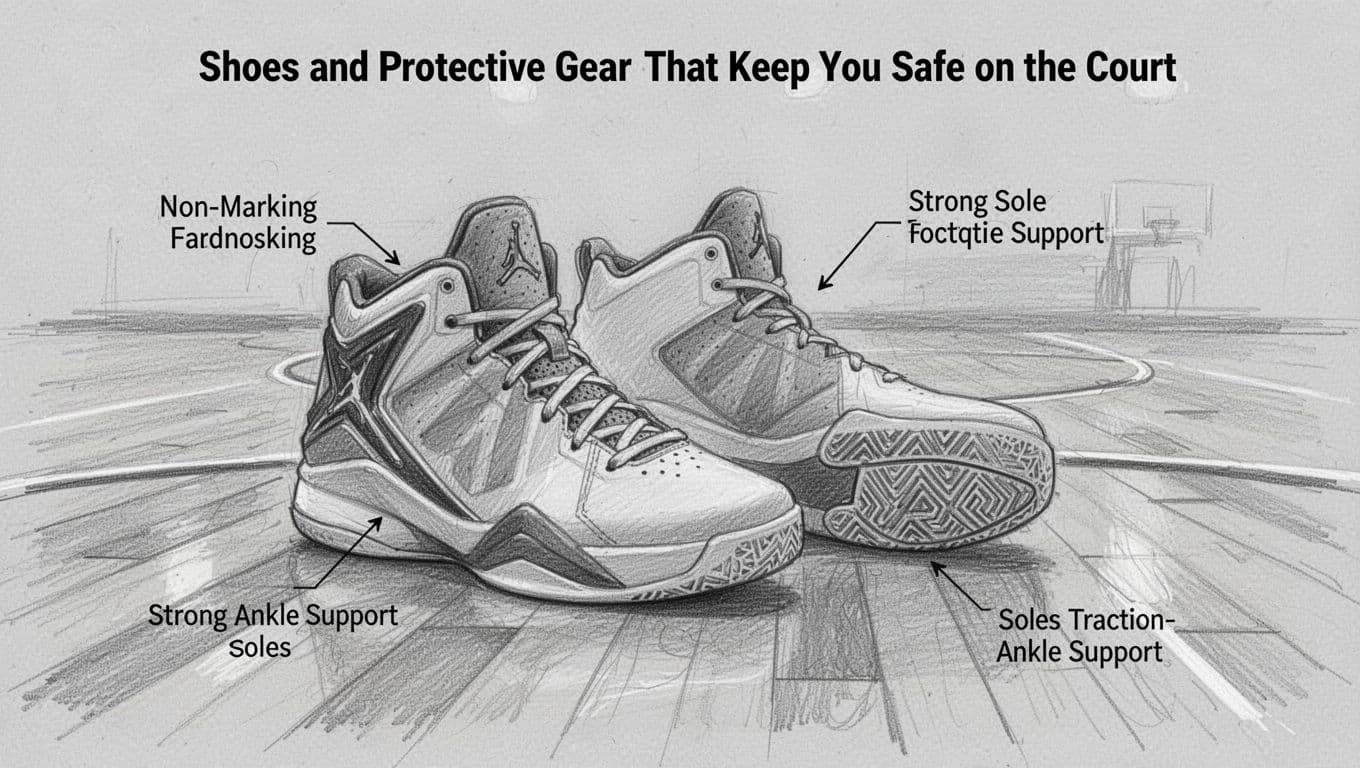
Your feet take the brunt on the court. Good shoes prevent slips and twists. Basketball footwear requirements from FIBA and NBA stress non-marking soles, solid traction, and ankle support. Both leagues ban hard casts or anything risky. FIBA rules say left and right shoes must match, no flashing lights. Check the FIBA Official Basketball Rules 2024 for details. As a result, referees spot issues fast.
Pick shoes with multidirectional traction patterns. They grip wood floors during cuts. High-tops offer ankle stability for jumps. Cushioning absorbs landings, so knees stay happy. Recent trends favor lightweight foams like ZoomX in Nike models. Low-tops speed up guards, but add tape if needed. Test fit: Your toes shouldn’t jam on toe-offs. Break them in before games.
Soft protective gear fits next. Compression sleeves support elbows and knees without bulk. They boost recovery and cut fatigue. No goggles required; vision stays clear.
Mouthguards and Sleeves: Optional but Smart Choices
Mouthguards shield your jaw from elbows or falls. They cut concussion risks by 60%. Boil-and-bite types mold easy at home. Refs approve soft ones; hard models get flagged. NBA stars wear them quietly for edge.
Sleeves wick sweat and compress muscles. Arm versions steady shots; calf ones power sprints. FIBA allows them if they match uniforms. Trends push lightweight fabrics that dry fast. Players last longer in overtime.
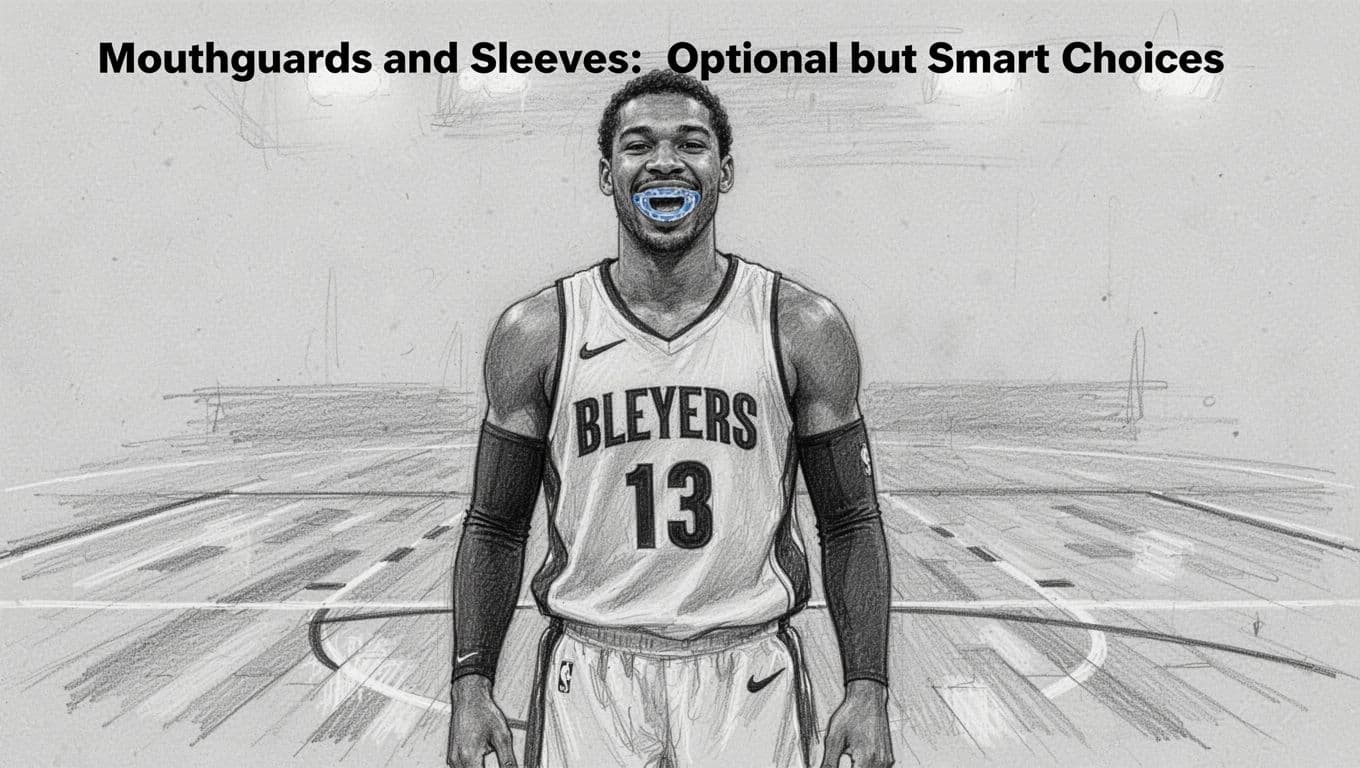
Why add these? They prevent downtime. Grab custom fits for comfort. In short, optional gear turns safe play into smart play. Your confidence rises.
Court Basics and Other Must-Haves for Full Games
Full games demand a proper court setup. FIBA measures 28 by 15 meters, or about 92 by 49 feet. NBA uses 94 by 50 feet. These sizes ensure smooth play and fair spacing. Lines mark key zones like the three-point arc and free-throw circle. Both leagues require hard, flat surfaces free of bumps. Check the FIBA Official Basketball Rules 2024 for exact markings.
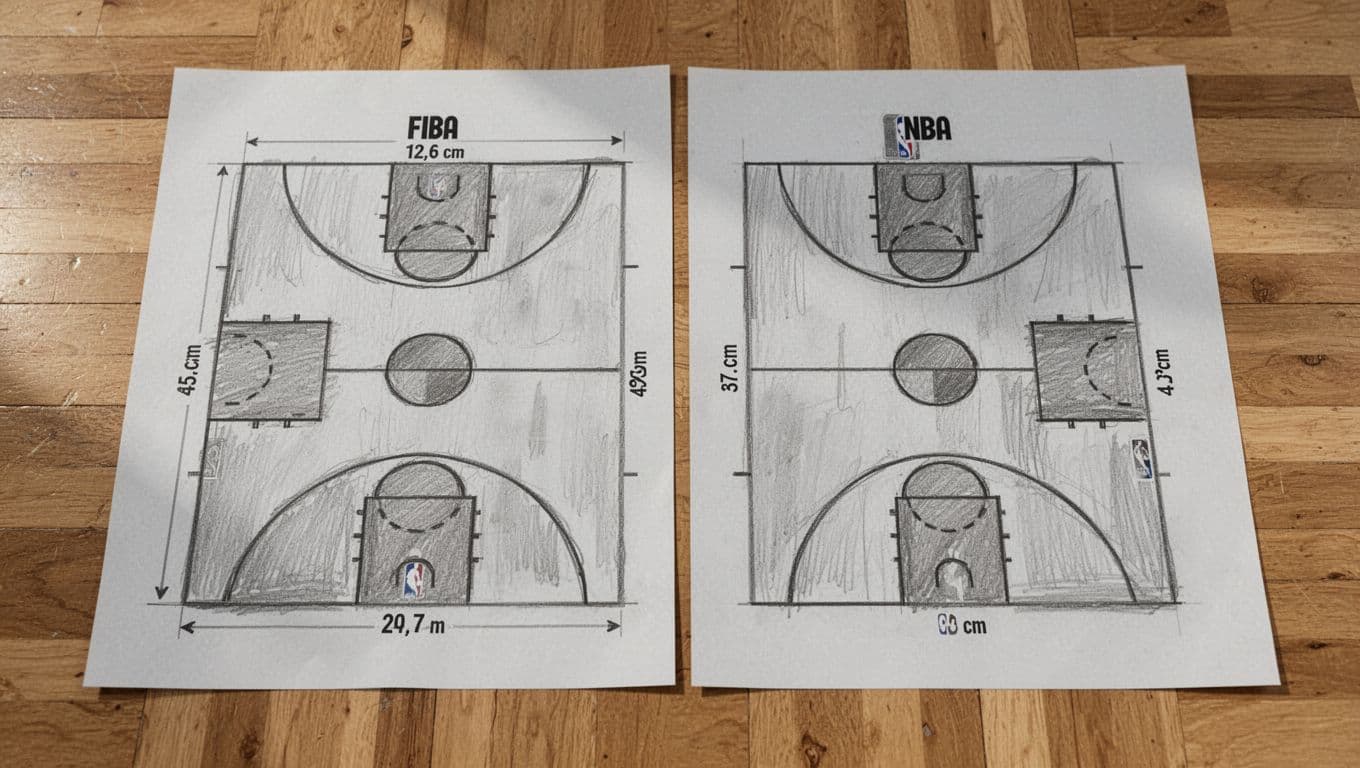
No other gear counts as mandatory beyond basics. However, portable courts suit home use. Fill bases with sand for stability, or go modular for quick setup. Trends favor shock-absorbent floors that cut injuries. Headbands wick sweat and add grip; players pair them with sleeves for better flow.
In short, match these specs to your hoop and uniform. Then, run full scrimmages without issues. Your team’s spacing improves right away.
Conclusion
Proper gear transforms your game. A regulation ball, stable hoop, matching uniform, and grippy shoes boost accuracy and cut injuries. So, you focus on skills instead of slips.
Check your setup against FIBA and NBA specs now. Build your basic basketball equipment list with Size 7 balls at 7-8 psi, 10-foot rims, and padded backboards. In addition, watch for 2026 trends like approved wooden courts and quick-dry fabrics.
Share a photo of your court in the comments. Grab these essentials today and start hooping. What gear upgrade will you try first?