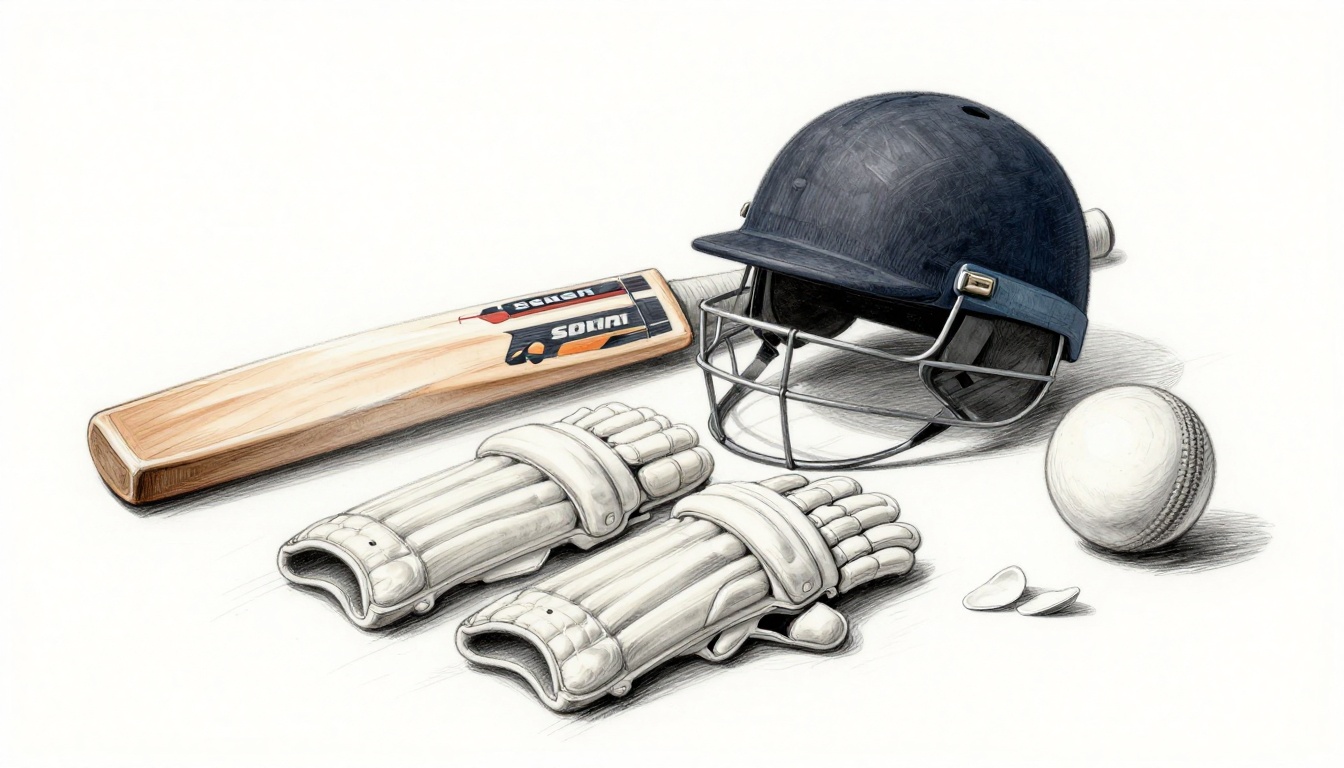
Picture this: You’re a new player stepping onto the pitch for your first net session. A fast ball zips toward your head. But your helmet stops it cold. No injury. Just a grin as you smack the next one for six. That gear saved the day.
Cricket thrills millions in the US, from backyard games to local clubs. Yet beginners often grab whatever’s cheap. Wrong move. Poor equipment leads to slips, bruises, or worse. The right kit boosts your safety, sharpens skills, and amps up fun. Think better swings, quicker catches, fewer distractions.
In 2026, trends favor affordable options like Kashmir Willow bats and certified helmets. Prices dropped thanks to sales, so you don’t break the bank. This guide covers batting essentials, protection, clothes, fielding tools, practice gear, and smart buying tips. You’ll walk away with a clear list to build your setup. Ready to gear up?
Build Your Batting Arsenal for Confident Stroke Play
Batting gear forms the core of your kit. It lets you face deliveries with poise. Start here because solid shots build your game from the ground up.
A good bat feels like an extension of your arm. Kashmir Willow suits beginners best. It’s light and tough, perfect for practice. Expect to pay $20 to $100 in March 2026 sales. English Willow steps up for advanced play. These offer better ping and power, but cost $200 to $400. Sales make them reachable now.
Pick by feel. Stand the bat on its toe. It should reach your shoulder. Lighter weights, around 2 pounds for youth, ease control. Knock new bats with a mallet first. This preps the wood for bounce.
Gloves come next. They protect hands and improve grip. Soft padding cushions impacts. Look for finger guards inside. Budget $40 to $70 for youth pairs with good flex.
Leg pads shield shins and knees. Lightweight plastic models work for training at $40 to $50. They strap snug without bulk.
Don’t skip the abdominal guard, or box. Fast balls demand it. One hit without hurts bad. Cheap versions start at $15.
Fit matters most. Loose gear slows you. Tighten straps, but keep air flow. Beginners save by buying training quality first.
Choose a Bat That Matches Your Style and Size
Wood type guides your choice. Kashmir Willow handles knocks well. It’s forgiving for new swings. Check out the King Kashmir Willow Bat for a budget pick with solid rebound.
English Willow shines in matches. Brands like SG or Kookaburra hit far on sales, like $220 models. Test weight. Heavier suits power hitters. Lighter aids timing.
Size fits height. A size 3 bat weighs 1 pound 10 ounces for shorter players. Measure against your stance. Sweet spots near the middle maximize power.
Prep matters. Oil the face lightly. Knock for hours. This prevents cracks. Start cheap, upgrade as skills grow.
Gloves, Pads, and Box: Grip and Guard Your Swing
Gloves need palm ventilation. Padded backs absorb stings. Youth sizes grip small hands tight. Split finger designs flex with your swing.
Pads cover from ankle up. Straps wrap secure. Training pads weigh less, so you move free. Match pads add bulk for pro feel.
The box molds to you after wear. Wear under trousers. Position it central. Comfort lets you focus on the ball.
Buy sets together. They match sizes. Training gear lasts seasons if cared for.
Stay Safe from Fast Balls with Top Protective Gear
Safety tops every list. Fast balls at 60 mph can injure. Quality protection builds trust. You swing bolder.
Helmets lead the pack. Certified ones meet BS 7928 or NOCSAE standards. Steel grills block impacts. Prices hover at $130 to $150 for juniors in 2026.
Arm guards fit under sleeves. They pad elbows from bouncers. Thigh guards wrap legs high. Both add layers without weight.
Prioritize fit. Helmets shouldn’t rock. Pads hug curves. Replace cracked gear yearly.
Experts say helmet first. It guards your head in every at-bat or close field.
The Helmet: Your Head’s Best Friend on the Pitch
Snug fit rules. Measure head circumference. Junior sizes run small. No wobble when you nod.
Grills stay strong. Steel beats plastic for hard balls. Ventilation keeps you cool.
Tiers range wide. Basic training at $40. Match helmets hit $200. See ICC rules on helmets for must-haves.
Always wear for hard-ball play. Confidence follows.
Arm Guards and Thigh Pads for Full-Body Defense
Arm guards strap quick. Foam layers blunt edges. Use batting or bowling.
Thigh pads velcro on. They cover gaps in leg gear. Lightweight picks under $30 move with you.
Pair them smart. Batsmen stack more. Fielders pick slim versions. Entry costs stay low.
Dress for Success: Clothing and Footwear That Move with You
Clothes seem simple. Wrong ones chafe or slip. Right kit lets you focus on play.
Cricket whites breathe for matches. Team jerseys add style for practice. Stretch fabrics wick sweat.
Trousers fit loose at top, snug legs. High socks protect shins.
Shoes grip key. Turf spikes dig in. Practice rubber soles stick to mats.
Caps block sun. Sunglasses cut glare. Comfort fuels long sessions.
Jerseys, Pants, and Socks for All-Day Comfort
Whites shine traditional. Coloured jerseys suit clubs. UPF fabrics guard skin.
Pants stretch full range. No bunching mid-run.
Socks pull high. They cushion calves. Cotton blends dry fast.
Wash after use. Air dry to last.
Shoes That Grip and Go: Turf vs Practice Picks
Turf shoes have spikes. They anchor run-ups. Bowlers love stability.
Practice shoes use rubber. They bite cement or mats at $45 to $60 on sale.
Size half up for socks. Test side-to-side moves. Check 2026 cricket shoe guide for top beginner turf options.
Grip prevents twists. Better steps mean faster games.
Gear Up for Bowling, Fielding, and Practice Wins
Roles shape extras. Bowlers need run-up traction. Fielders chase speed.
Practice turns average into sharp. Home setups build habits.
Shoes overlap uses. Fielding gloves aid catches. Nets sharpen reflexes.
Balls vary by drill. Stumps mark targets.
Bowling and Fielding Tools for Sharp Skills
Bowlers grip shoes tight. Spikes aid crease hold.
Fielders grab mitts. Leather palms snag edges.
Nets rebound balls. Practice dives safe. Position marks guide spots.
Practice Setup: Stumps, Balls, and Aids at Home
Plastic stumps spring back. Sets cost $20 to $40.
Balls split types. Rubber for kids softens sting. Leather mimics matches at $10 to $30.
Machines feed yorkers. Solo nets hone aim. See beginner practice gear guide for home kits.
Daily reps pay off.
Start Smart: Priority List and Budget Guide for New Players
Buy in order. Safety first, then attack.
- Helmet saves heads.
- Gloves protect hands.
- Pads guard legs.
- Box shields core.
- Bat swings shots.
- Shoes move you.
Spread over months. Quality trumps flash.
Here’s a 2026 budget snapshot for US beginners:
| Gear Type | Training Price | Match Price | Key Beginner Feature |
|---|---|---|---|
| Kashmir Bat | $20-100 | N/A | Light practice weight |
| English Bat | N/A | $200-400 | Power sweet spot |
| Helmet | $130-150 | $200+ | Steel grill safety |
| Gloves | $40-70 | $80+ | Grip padding |
| Pads | $40-50 | $70+ | Lightweight straps |
| Shoes | $45-60 | $100+ | Turf or rubber grip |
| Stumps/Balls | $20-40 | $50+ | Durable home use |
Kashmir starts cheap. Fit beats brand. Shop sales now.
Gear unlocks your best. Prioritize protection. Then add fun pieces. Share your kit below. Got questions? Drop them in comments. Hit the pitch soon. Fewer injuries mean more sixes ahead.
(Word count: 1487)