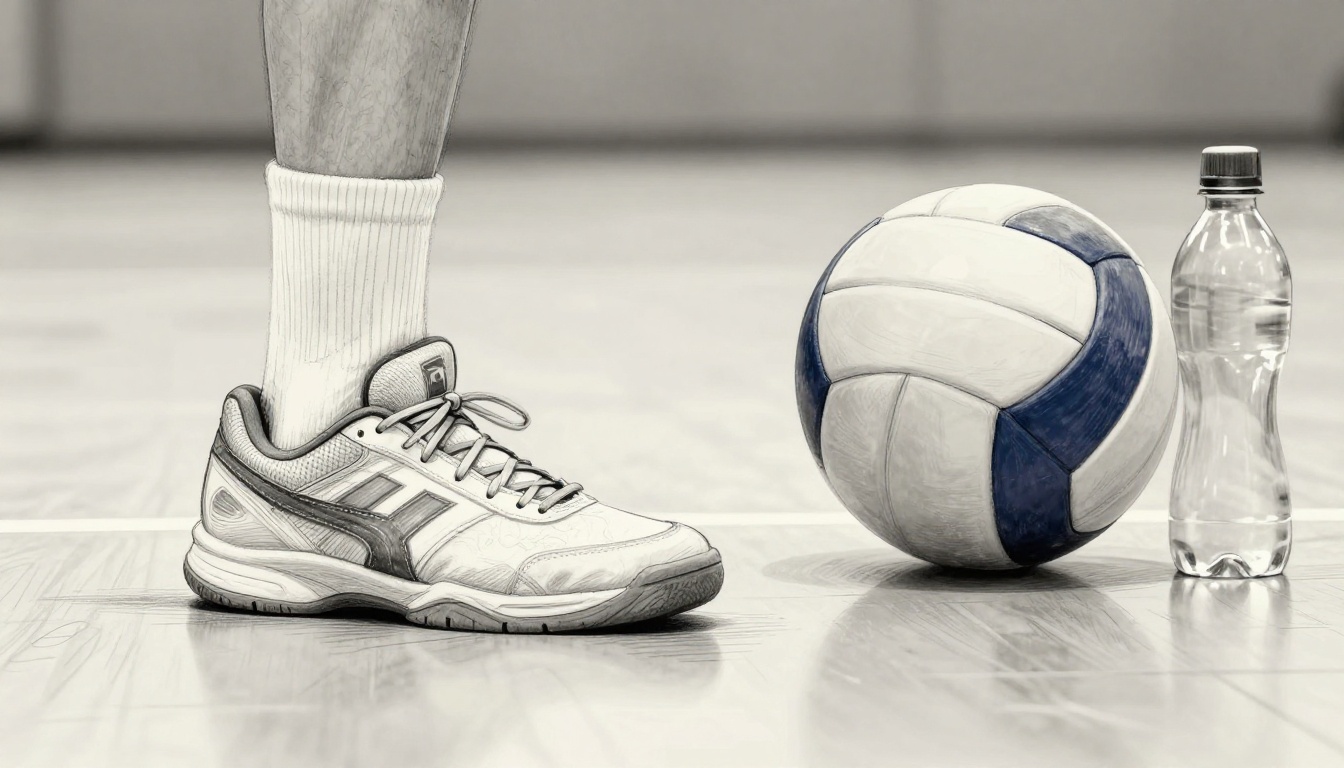
Picture this: your first pickup game. You dive for a dig, hit the floor hard, and slide without knee pads. Ouch. Red scrapes and sore knees end your night early. That happened to me once.
The right volleyball equipment changes everything. It keeps you safe, cuts injury risks, and lets you focus on plays. You jump higher, move faster, and enjoy more rallies. Think shoes for grip, pads for protection, and basics like tape.
We’ll cover must-haves, extras for injuries, clothing tips, indoor versus beach differences, and starter kits. Plus, 2026 favorites from ASICS and Mizuno. Grab these, and you’re set to play.
The Must-Have Basics No Volleyball Player Can Skip
Every player packs five core items. They ensure safe, strong play. Volleyball shoes top the list because bad ones cause slips. Knee pads shield dives. Ankle support or tape prevents twists. A water bottle fights dehydration. Finally, your own volleyball speeds warmups.
Shoes demand gum rubber soles for court grip. Skip basketball styles; they lack quick-cut traction. Top 2026 brands include Mizuno, ASICS, Nike, and adidas. Always toss shoes in your bag first. They last seasons if you care for them.
These basics build confidence. You play free because gear handles the grind.
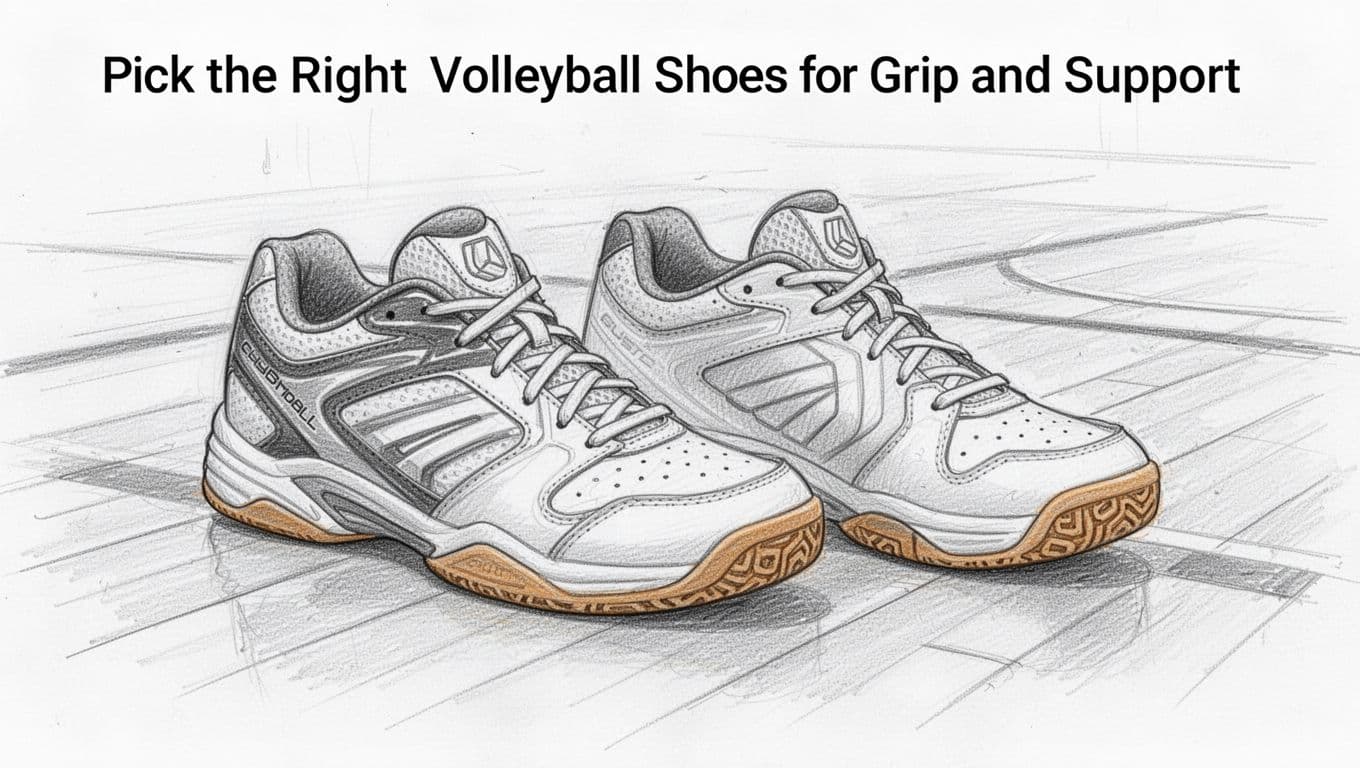
Pick the Right Volleyball Shoes for Grip and Support
Volleyball shoes beat running or cross-trainers. You need lightweight builds for jumps and cuts. Ankle cushioning absorbs landings. Gum soles stick to wood floors without marks.
In 2026, ASICS Sky Elite FF 3 shines for jumps and balance. Mizuno Wave Momentum 3 offers stability and shock absorption. Nike Hyperace 3 delivers speed and grip for attackers. For details on top picks, check All Volleyball’s 2026 shoe guide.
Try pairs on. Walk, jump, cut side to side. They should hug without pinching. Replace when soles wear smooth. Good shoes prevent 80% of slips.
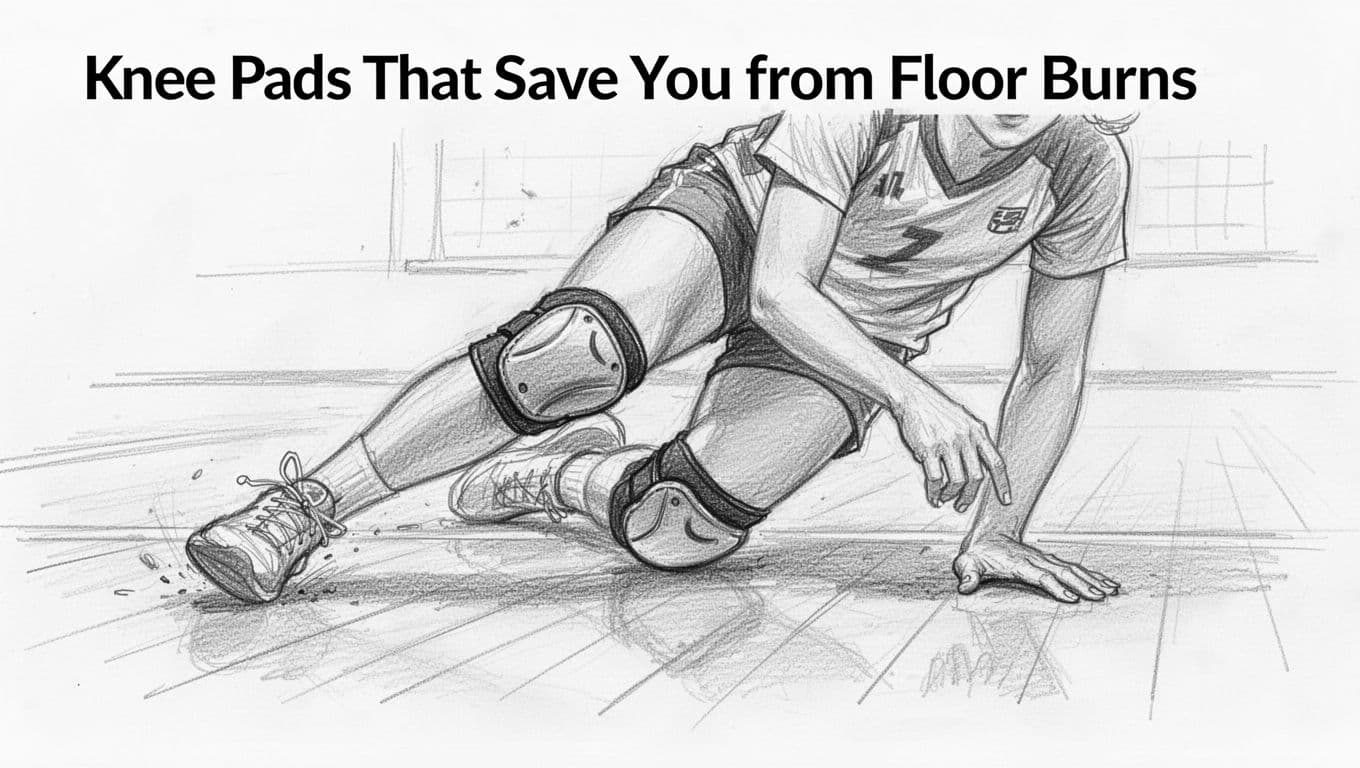
Knee Pads That Save You from Floor Burns
Dives and slides burn skin fast. Knee pads cushion impacts. They let you chase every ball.
Choose snug fits with thick foam. They stay put during scrambles. Beginners pick wide styles for easy wear. ASICS and Mizuno models pair well with top shoes.
Slide test them pre-game. Adjust straps for no slip. Wash after sweaty sessions. Fresh pads mean fresh dives. For buyer tips, see Ping Pong Bros’ knee pad reviews.
Protective Gear to Dodge Common Injuries
Extras fight finger jams and twists. Athletic tape wraps setters’ digits. Ankle braces stabilize rollers. Arm sleeves wick sweat and guard burns. Elbow pads suit aggressive divers.
Setters tape fingers because blocks jam joints. Outside hitters brace ankles after past sprains. Everyone benefits from sleeves on hot nights. Brands like Active Ankle, ASO, and McDavid deliver.
Real example: a jammed finger sidelines you weeks. Tape prevents that. Pick based on your role.
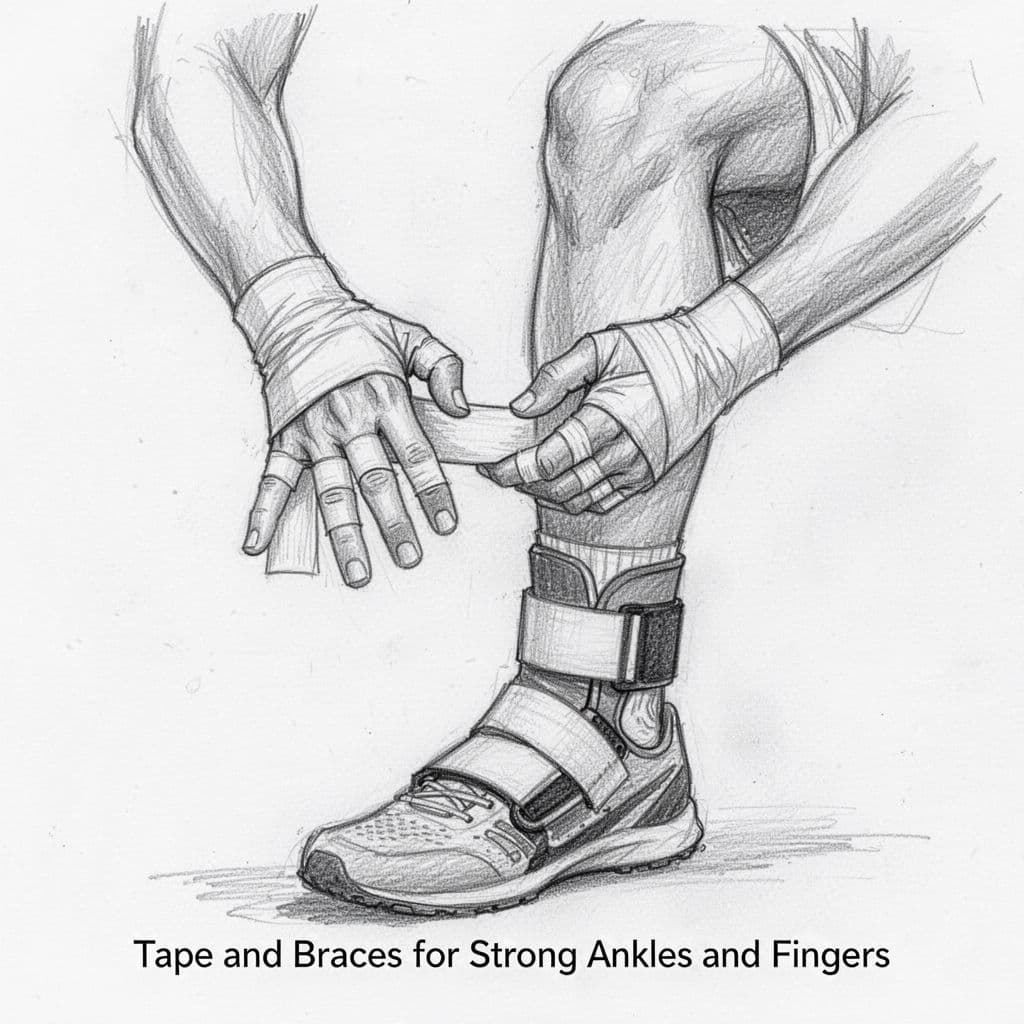
Tape and Braces for Strong Ankles and Fingers
Tape stops finger bends during sets. Wrap buddy fingers tight but not numb. Practice swings to check feel.
Braces aid recovery. Light ones for prevention; heavy for history. McDavid and Aircast fit volleyball moves. Learn wraps from Ping Pong Bros’ ankle brace guide.
Ankles twist on lands. Braces limit side rolls. Combine with strong shoes for best results.
Arm Sleeves and Elbow Pads for Extra Armor
Sleeves smooth passes. Less sweat means dry hands for sets. They block forearm burns too.
Add elbow pads if you dive often. They cushion hard floors. Start without if new; build habit as you play more.
Clothing Choices That Keep You Cool and Ready
Breathable jerseys and shorts move sweat fast. Pack two extra sock pairs; they soak through. Hair ties (five minimum) keep strands out. Cold gyms need hoodies and joggers.
Fabrics like polyester dry quick. Backups handle spills or rips. Comfort boosts long practices.
Socks, Shorts, and Layers for All Conditions
Extra socks fight blisters. No one plays with wet feet. Hair ties maintain focus; loose bangs distract.
Warm layers prevent pulls. Jog in hoodies pre-game. Shorts with pockets hold tape rolls.
Indoor vs. Beach Volleyball Gear Showdown
Indoor courts demand pads and braces for hard floors. Beach skips most protection; sand cushions falls. But sun risks rise outdoors.
Here’s a quick comparison:
| Gear Item | Indoor | Beach |
|---|---|---|
| Knee Pads | Essential for dives | Rarely used; sand soft |
| Ankle Braces | Common for stability | Optional; less twists |
| Sunscreen | Not needed | Must-have; reapplies often |
| Clothing | Full sets, layers | Light, breathable, hats |
| Shoes/Sandals | Court shoes | Sand socks or barefoot |
Indoor gear fights floors. Beach protects skin. Learn more differences at The Smarter Play’s volleyball guide.
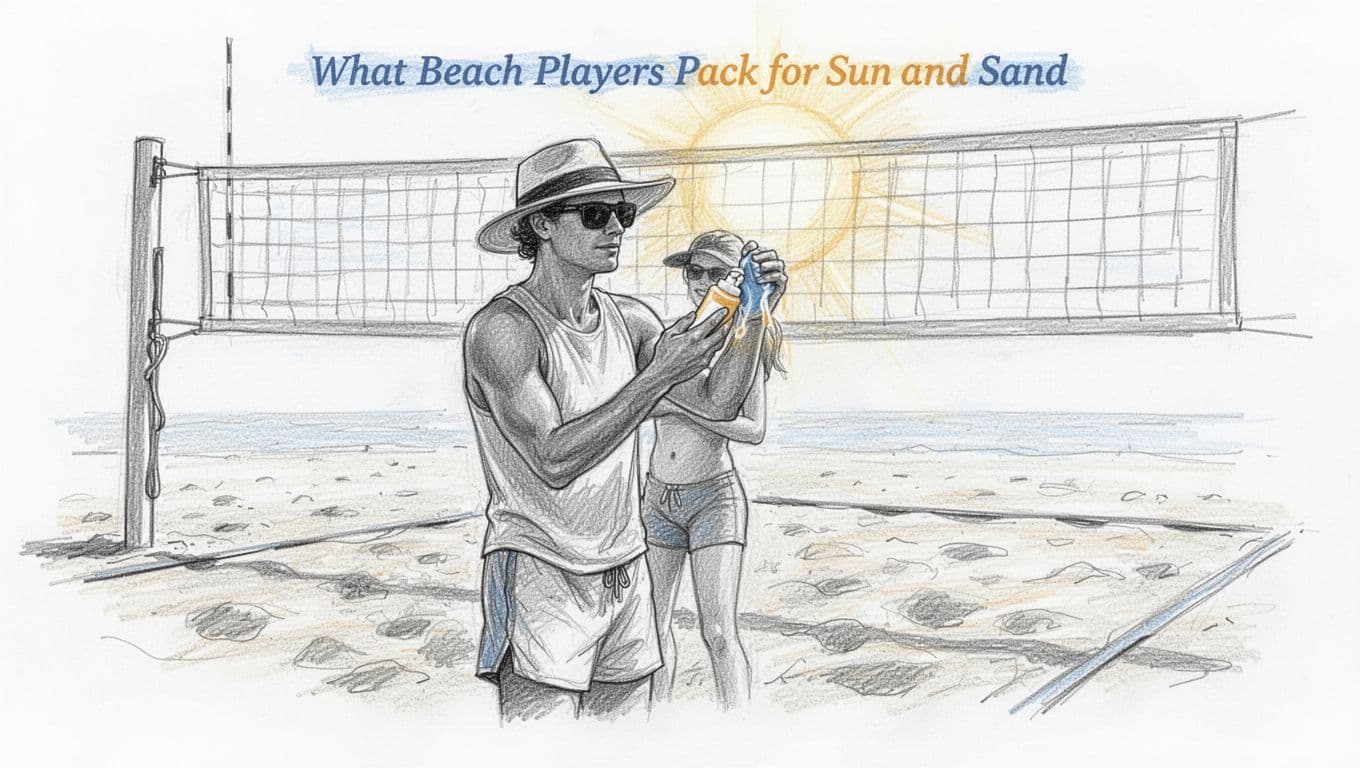
What Beach Players Pack for Sun and Sand
Sunscreen blocks UV every match. Clouds don’t stop burns. Hats and sunglasses cut glare.
Breathable tanks and shorts beat heat. Skip pads; sand absorbs shocks. Sand socks shield feet from hot grains.
Beginner Starter Kit and Pro Training Upgrades
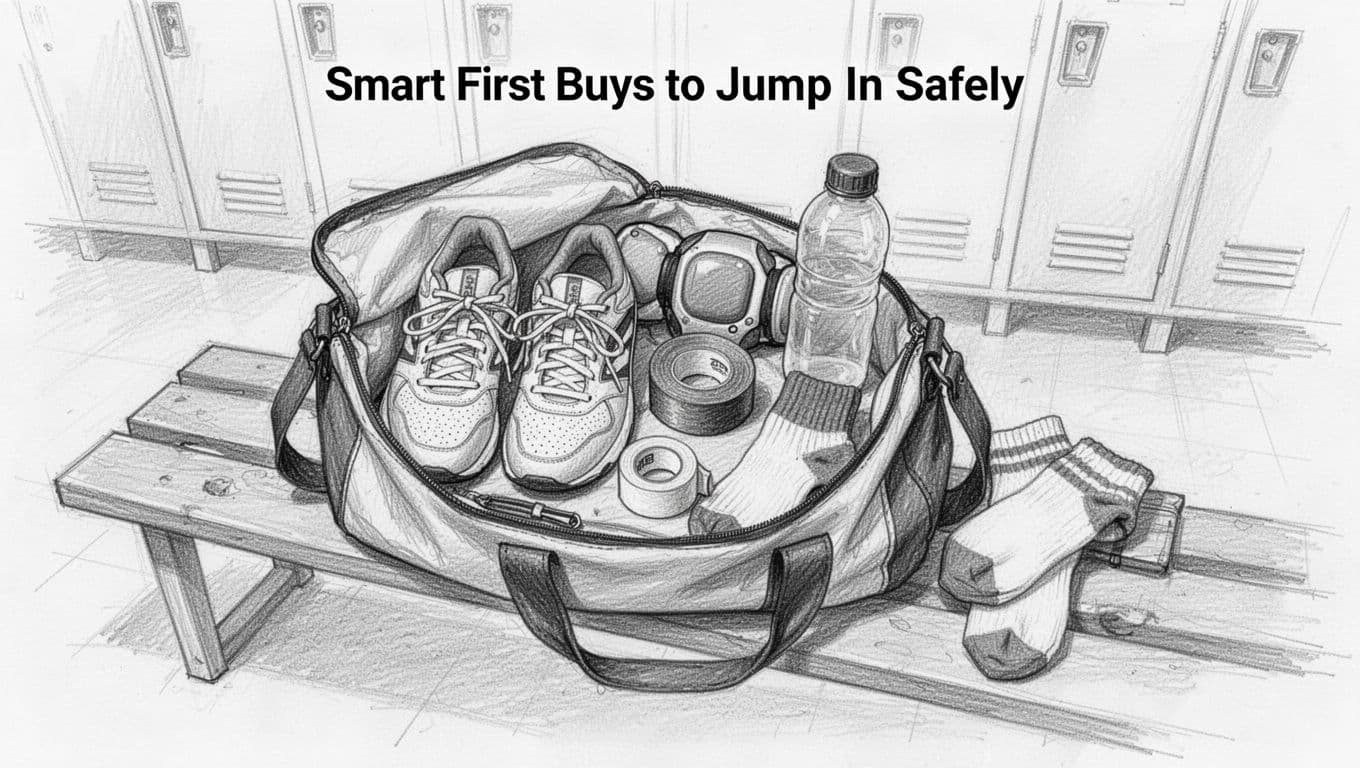
Newbies start small. Shoes, pads, tape, socks, water bottle. Test fit before big spends. Organize your bag for quick grabs.
Serious players add duffels, towels, compression gear. Training tools build skills solo.
Smart First Buys to Jump In Safely
Top five: shoes, knee pads, tape, socks, bottle. They cover 90% needs. Budget $200 total.
Build habits like bag checks. Skip extras till committed.
Training Tools to Level Up Your Game
Rebounders return serves for digs. Check All Volleyball’s Champion rebounder. Serving machines build reps.
Jump bands strengthen legs. Use post-basics for gains.
Key volleyball equipment like shoes and pads keeps you in games longer. They boost safety and fun.
Stock your bag today. Share your must-haves in comments. What’s your first buy? Build this checklist and spike away.