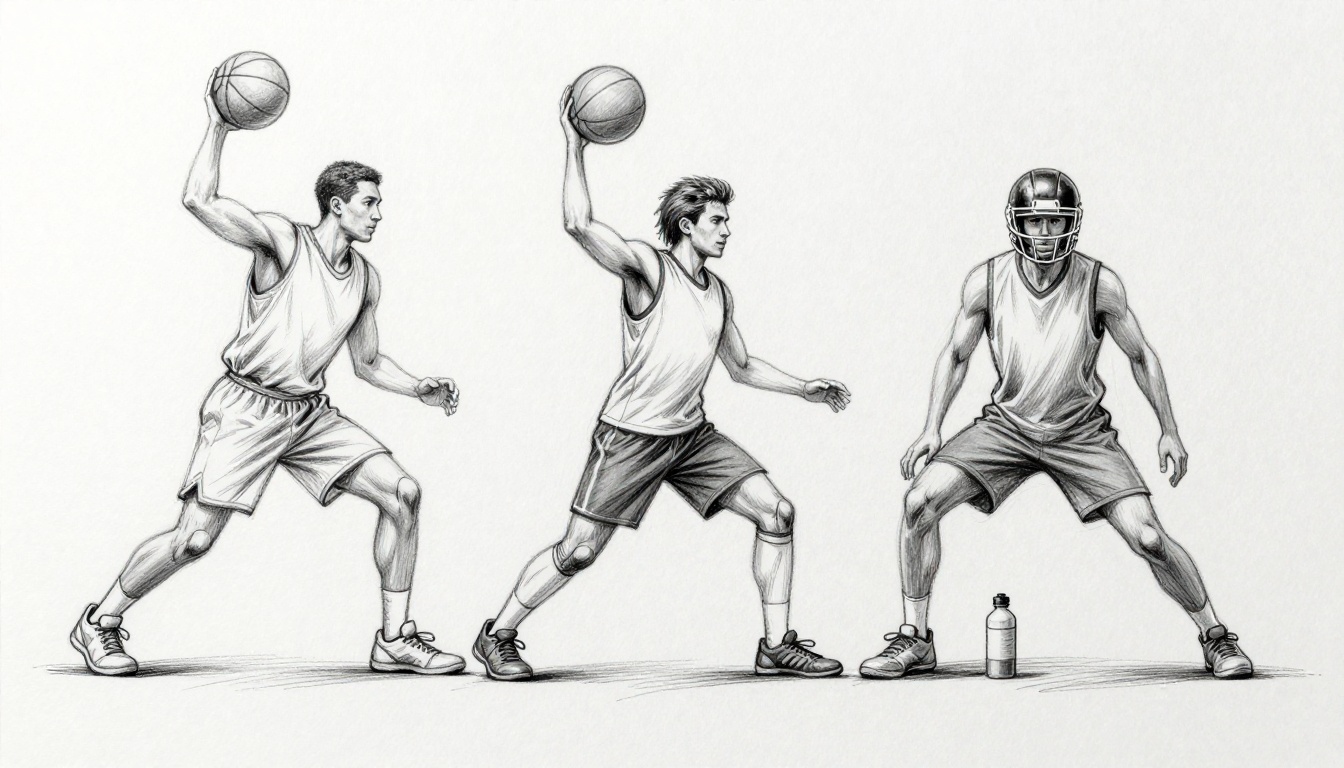
Sprains and strains cause 52% of all sports injuries in the US. These numbers hit home for anyone who loves basketball, soccer, or football. You train hard, but one twist or hit can bench you for weeks.
Common problems like ankle sprains, concussions, and ACL tears steal your fun and progress. The good news? Simple steps cut these risks. You’ll learn to spot top injuries, warm up right, build strength, pick gear, and master technique. Start with knowing what to watch for.
Spot the Most Common Sports Injuries Before They Sideline You
Most sports injuries strike the lower body, at 57% of cases. Sprains and strains lead at 52%, while concussions follow at 9%. Games see higher rates per hour played, but practices cause equal totals because you spend more time there. Football tops the list at 35.9 injuries per 1,000 athlete exposures. Soccer and basketball follow close.
Know these threats so you act early. Ankles and knees take the brunt from quick moves. Heads suffer in contact sports. Knees rip from bad landings. Spot patterns in your sport to stay ahead.
Ankle and Knee Sprains from Quick Twists and Falls
Soccer players pivot sharp on wet fields. Basketball stars land awkward after jumps. Runners hit uneven trails. These moves stretch ligaments beyond limits. Muscles fatigue first, so joints give way.
Kids aged 5 to 14 face high rates from overdoing it. Pain swells fast. You limp or can’t bear weight. Prevention saves recovery time. Strong ankles absorb twists better. Good shoes grip surfaces. Always check for early twinges.
Concussions from Hard Hits to the Head
Football tackles jar brains. Hockey checks send helmets crashing. Soccer headers add up. Rugby collisions spike risks. Over two-thirds come from player contact.
Dizziness hits right away. Confusion follows. Vision blurs. Remove yourself from play at once. Wait for doctor clearance. Better reporting shows rates climbing, especially in lacrosse. For guidelines on management, check recommendations from the 6th International Conference on Concussion in Sport.
ACL Tears and Other Knee Nightmares
Skiers carve turns too tight. Snowboarders catch edges. Basketball players plant and cut. A pop echoes. Swelling balloons the knee.
Weak quads or hamstrings fail to stabilize. Poor form on jumps worsens it. Football sees huge volumes from collisions. Girls report higher rates in similar sports. Build balance to dodge these career-enders.

Warm Up and Cool Down to Keep Muscles Happy and Loose
Cold muscles snap like dry twigs. Dynamic warm-ups pump blood and loosen joints. Spend 5 to 10 minutes before play. Light jogs raise heart rates. Arm circles free shoulders. Leg swings prep hips.
This routine slashes strain risks. Soccer teams cut sprains by focusing here. After games, static stretches hold poses 20 to 30 seconds. Reach for toes. Pull heels to glutes. Breathe deep.
Skip warm-ups, and you invite pulls. Practices see 20% more sprains from overuse. Make it habit. Your body thanks you with smoother play.
Try these for any sport:
- High knees for 30 seconds.
- Butt kicks to fire hamstrings.
- Jumping jacks for full body.
- Torso twists for core.
Cool downs speed recovery. They clear lactic acid. Stay loose for next session.
Build Strength and Balance for a Tougher Body
Weak links break first. Target legs, core, and ankles twice weekly. Squats build quads. Planks fire abs. These moves boost stability. Knee injury risks drop as control improves.
Start simple if new. Do bodyweight only. Progress to weights. Rest days matter. Core strength shields backs too. Balance boards mimic game wobbles.
Athletes who train this way stay on field longer. Combine with sport drills. Results show in fewer twists.
Power Up Legs and Ankles with Key Exercises
Squats lower slow, rise explosive. Keep knees over toes. Do 10 to 15 reps. Calf raises build push-off power. Single-leg stands hold 30 seconds. Switch sides.
These prevent twists. Ankles firm up. Knees track straight. For evidence-backed options, see five exercises to prevent ACL tears.

Core Workouts That Shield Knees and Back
Planks hold straight body. Elbows under shoulders. Aim 20 to 30 seconds. Russian twists rotate with control. Bird-dogs extend opposite arm and leg.
Endurance builds for demands. Knees stay aligned. Backs avoid strains. Add these post-warm-up.
Gear Up with the Right Equipment for Real Protection
Wrong shoes slip. Loose helmets shift. Proper gear drops injury rates over 60% in studies. Fit matters most. Check yearly as feet change.
Helmets for contact sports. Mouthguards cushion jaws. Pads shield knees. Supportive shoes match surfaces. Avoid cheap copies. They fail fast.
Coaches inspect teams. Parents size kids right. Gear turns risks into safe play. For tips on choosing, read Johns Hopkins Medicine on preventing sports injuries.
Head and Mouth Guards That Save Your Brain
Certified helmets absorb hits in football or biking. Replace after crashes. Mouthguards cut concussions and dental damage. Boil-and-bite types fit snug.
Wear every practice. Reductions prove real.
Shoes and Pads Tailored to Your Sport
Basketball needs high-tops for ankles. Soccer cleats grip turf. Volleyball pads knees from dives. Custom orthotics fix flat feet.
Test on court. Replace worn treads.
Master Technique and Smart Habits to Play Safe
Bad form invites trouble. Coaches teach safe tackles. Land soft from jumps. Header balls light in soccer. Drills build muscle memory.
Ignore pain, and small issues grow. Rest days recharge. Hydrate constant. Sleep eight hours.
Rules cut contact in practice. Concussion protocols demand doctor visits. Fatigue slows reactions. Spot it early.
Practice Safe Moves and Form in Your Game
Football: wrap and drive low. Soccer: controlled headers. Watch pros break it down. Rep drills slow first.
Form sticks. Risks fade.
Rest Often and Spot Tiredness Early
Off days weekly. Coaches limit reps. Signs like slow feet mean stop. Multi-sport play lowers overuse.
Recovery fuels peak play.
You now know top injuries like sprains at 52%, concussions, and ACL tears. Warm ups loosen you. Strength builds resilience. Gear protects. Technique and rest seal it.
Combine these for injury-free seasons. Pick one habit today, like dynamic warm-ups. Chat with a trainer or doctor for your plan. Safe sports mean more joy on the field. Keep playing strong.