Tennis packs excitement for millions of fans each year. Yet, its rules often trip up newcomers. You watch a match and wonder why the score jumps from love to 15, or what counts as a fault.
This guide breaks down the main rules of tennis explained simply. You’ll grasp the court layout, scoring system, serving basics, and faults that end points. Rules stay steady in 2026, with no major shifts to core play. Let’s start with the court so you picture every shot.
Picture the Tennis Court and Its Key Parts
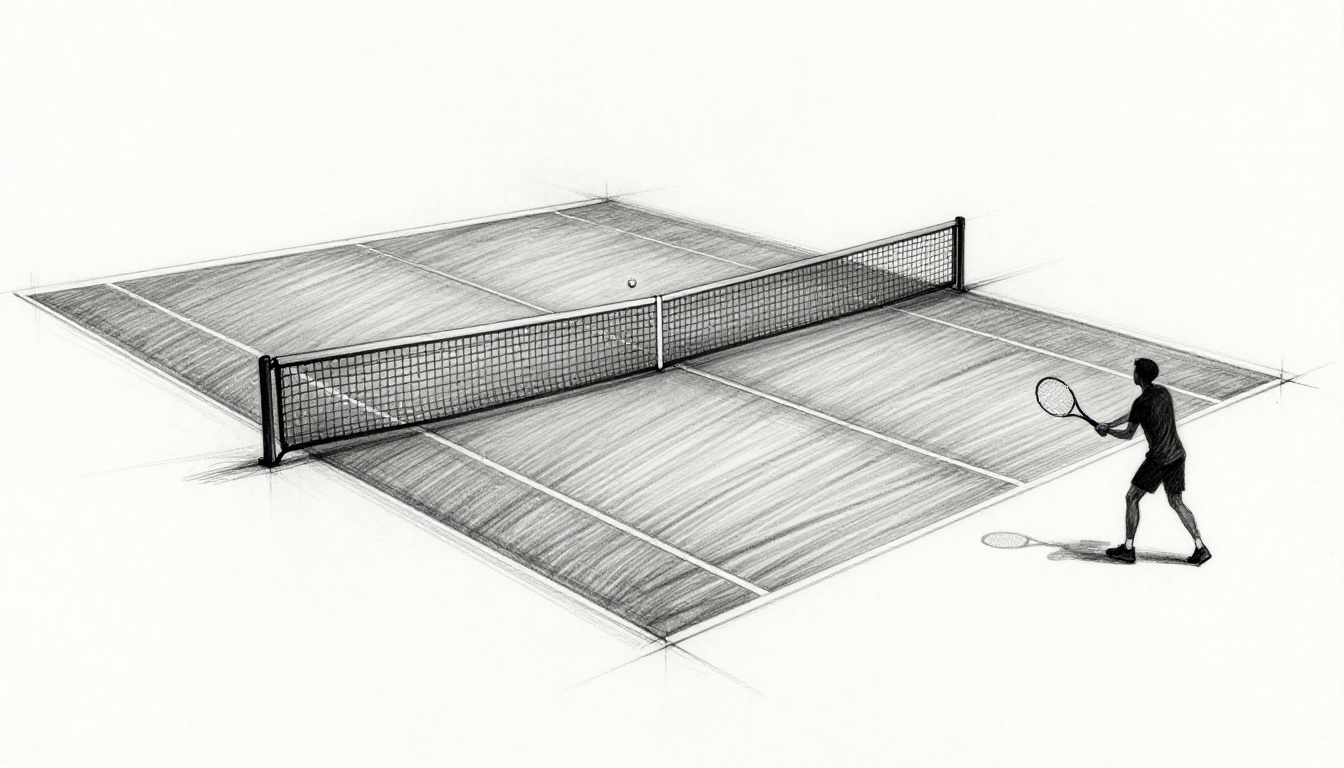
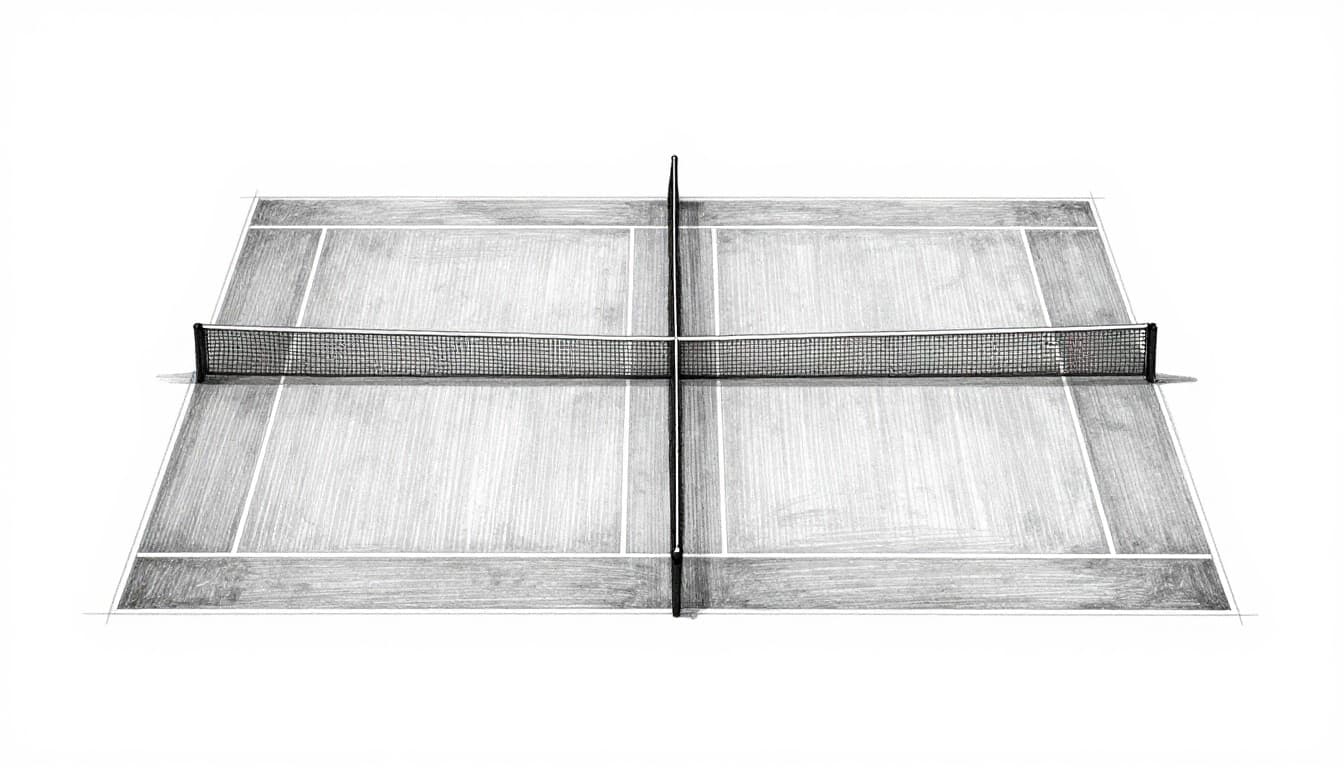
The court sets the stage for all action. It stretches 78 feet long from baseline to baseline. Width hits 27 feet for singles matches. Doubles play uses 36 feet across, thanks to extra alleys on the sides.
Lines mark boundaries with precision. They measure just 1 to 2 inches wide. Any ball touching a line stays in play. Think of the court like a giant rectangle in your local park, but with exact spots for serves.
For full details on dimensions, check the official ITF Rules of Tennis PDF.
Baselines, Sidelines, and Service Lines
Baselines form the back edges of the court. They run parallel to the net, 78 feet apart. Sidelines hug the sides. Singles sidelines stay at 27 feet wide. Doubles sidelines widen to 36 feet for team play.
A center service line splits the court lengthwise. It divides each half into two service boxes. The server picks the area between the center mark on the baseline and the sideline. This setup ensures fair angles on every serve.
The Net Setup and Service Boxes
The net stretches across the middle. It stands 3 feet high at the center. Posts hold it at 3 feet 6 inches tall on the sides. Service boxes sit diagonally opposite the server. Each box measures 21 feet long and 13.5 feet wide.
The first serve must land in that box, lines included. Miss it, and you face a fault. These boxes keep serves targeted and rallies alive.
How Scoring Works from Love All the Way to Match Win
Scoring confuses many at first. Points build games, games build sets, and sets decide matches. Server always calls the score first. They announce their points, then the opponent’s.
Games start at love, which means zero. Win a point, and it goes to 15. Next point makes 30. Then 40. You need four points to win a game, but only with a two-point lead.
Everyday races show the idea. You don’t win by a nose; you pull ahead clearly.
Points in One Game: Love to 40 and Beyond
The sequence runs love, 15, 30, 40. Reach 40 first and win the next point? You take the game. Both at 40? That’s deuce. Now, fight for two straight points.
Server says “15-love” after their first point. They follow with “30-15” if they lead. Simple calls keep everyone on track.
For a clear breakdown, see the USTA’s tennis scoring rules.
Deuce, Advantage, and Taking the Game
Deuce means 40-40. Win one point from there for advantage. Hold it and win the next? Game over. Lose it, and back to deuce.
This back-and-forth builds tension. Players grind for that two-point edge. Most games end quickly, but deuce rallies test stamina.
Building Sets, Tiebreaks, and Full Matches
Win six games with a two-game lead for a set. Tied at 6-6? Play a tiebreak. First to seven points by two wins it.
Matches run best of three sets for women and most events. Men play best of five at pro majors. Change ends after every odd game. This balances wind or sun effects.
Tiebreaks use standard scoring. Server alternates every two points. Pressure mounts fast.
Nail the Serve: Position, Target, and Rules
The serve starts every point. Stand behind the baseline, between the center mark and sideline. Begin on the right side for point one. Switch sides each game.
Toss the ball straight up. Hit it diagonally into the opposite service box. You get two chances per point. Practice toss consistency for better contact.
Where to Stand and the Serve Sequence
Position matters most. Feet stay behind the baseline until after the hit. Right side serves go to the right box. Left side targets the left.
In doubles, teams alternate serves per game. Receiver picks their spot too. Sequence keeps play fair.
Aiming for the Right Service Box
Diagonal cross-court aims work best. The box includes lines. Hit wide or down the T-line for aces. Opponents struggle to return strong serves.
Handling Lets, Faults, and Second Serves
A let happens if the ball clips the net but lands in. Redo the serve, no penalty. Faults come from missing the box or foot faults. Second serve allows spin but lower speed.
Double fault loses the point outright. Beginners avoid this with steady first serves.
Steer Clear of Faults That Lose You Points
Faults end points fast. Know them to stay in rallies longer. Ball stays live until a fault occurs.
Foot faults top the list on serves. Step on or over the baseline before contact? Fault. Service faults miss the box or hit the net short.
Foot and Service Fault Basics
Touch the baseline early, and umpires call foot fault. Serve out long or wide? Service fault. Net clip without landing in counts too.
Watch your toes. They cost points silently.
Double Faults and Instant Point Loss
Two faults in a row give the point to opponents. New players double fault under pressure. Breathe and reset between serves.
Rally Faults Like Out Balls and Net Touches
During play, out balls land outside lines. Double bounce means fault. Touch the net, and you lose. Volley returns before the bounce? Fault too.
One clean hit per side keeps rallies going. Lines count as in, so close calls favor players.
Tennis rules boiled down to court, scoring, serves, and faults make every match clearer. Core play holds steady in 2026. One tweak adds ATP heat breaks for temps over 30.1°C WBGT after even sets in extreme weather.
Grab a racket at your local court. Watch the next Grand Slam without confusion. Which rule surprised you most? Comment below, share with a friend, or subscribe for more sports breakdowns. Tennis waits for you.