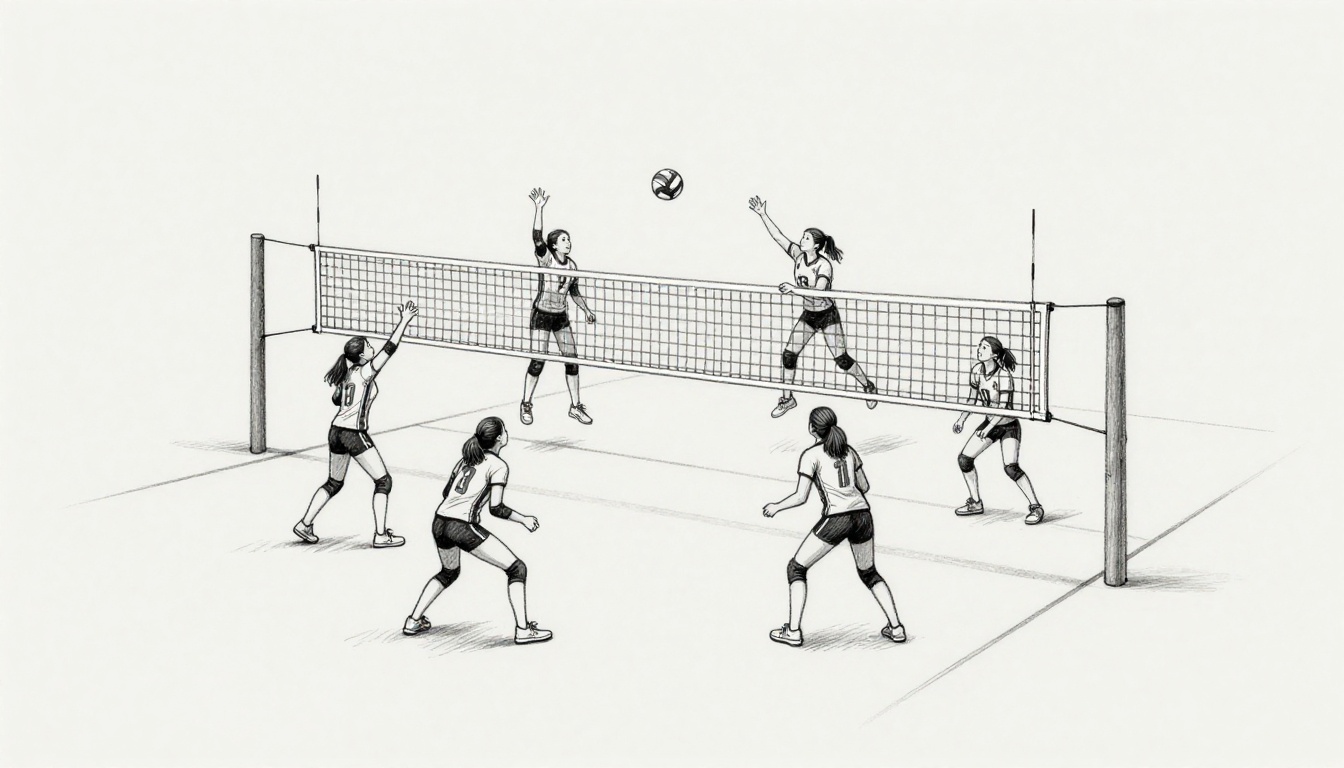
Picture this. You step onto the court for your first volleyball game with friends. The ball flies over the net fast. Everyone shouts about rotations and faults. Confusion hits hard. But it does not have to. Knowing the basic volleyball rules turns chaos into fun.
Volleyball draws huge crowds in the US. Over 470,000 high school girls play each year. Boys numbers climb too, up 12 percent recently. First-time players love it because simple rules make big thrills possible.
You will learn court setup, serves, rallies, scoring, and faults here. Master these basics. Then grab a ball and dive in.
Step Onto the Court: Dimensions, Net, and Team Basics
Standard indoor courts measure 18 meters long and 9 meters wide. A 3-meter free zone surrounds it all. This space keeps players safe during dives and jumps. The net sits in the center. Men play at 2.43 meters high. Women use 2.24 meters. Antennas mark the sides. Balls must pass between them or over the net.
Teams field six players each. Three stand in the front row. Three take the back row. Front row players spike above the net freely. Back row athletes attack only from behind the 3-meter attack line. Visualize the court like a grid. Front covers blocks and hits. Back handles passes and digs.
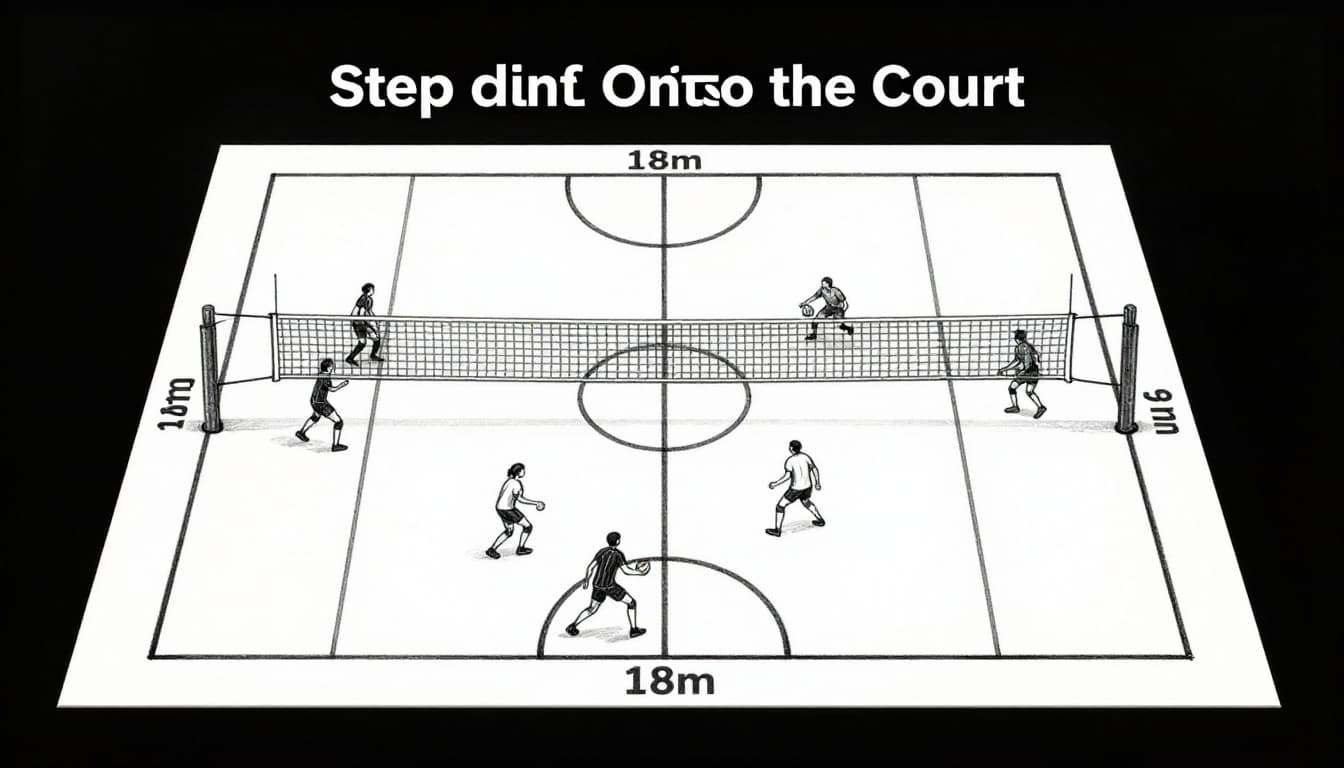
For exact measurements, see volleyball court dimensions from Sports Imports. Beginners sketch this layout at home. It helps spots stick.
Positions matter from the start. Teams rotate to keep balance. Everyone gets a turn at net and back.
Key Player Roles to Know Right Away
The setter runs the offense. They pass the ball high for attacks. Middle blockers guard the net center. They jump to stop spikes.
Outside hitters attack from the left side. Opposite hitters work the right. Both swing hard from the edges. The libero stays in back. They dig serves and passes. Libero cannot spike over the net or block.
Rotations go clockwise. You shift one spot when you regain serve. Only the back-right player serves. This setup ensures fair play. Everyone attacks eventually. Practice calling roles loud. It builds team flow fast.
Kick Off the Action: Serving and Rotation Rules
Serves start every rally. Stand behind the end line. Hit underhand or overhand. The ball can graze the net and land in. Feet stay back until contact. Then move free.
Teams rotate clockwise after losing serve. The player in back right serves next. Rotate only when you win the point back. This keeps positions fair. Mix up servers for strong starts.
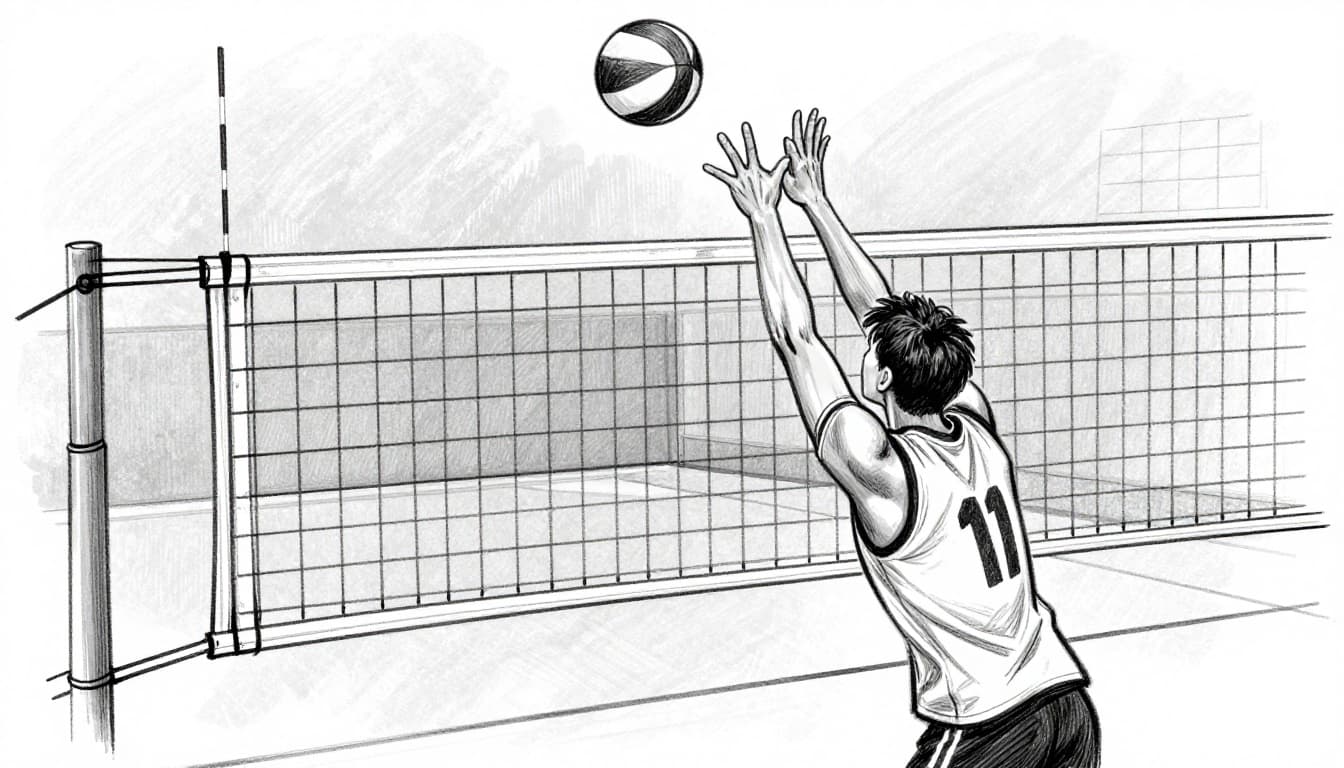
Rotations prevent overlaps. Coaches check lines before serves. Beginners watch feet first. It stops easy points lost.
What Makes a Serve Legal or Faulty
Good serves clear the net and land in bounds. Toss high for overhand power. Underhand works for control. Keep it visible to refs.
Faults kill serves quick. Step over the line before hit. That is a foot fault. Throw into the net. Or serve unseen. All give points away. Screen blocks count as faults too.
For example, a player steps forward early. Whistle blows. Opponents score. Practice from the line edge. It builds muscle memory.
Rally Essentials: Bump, Set, Spike and Hit Limits
Rallies make volleyball exciting. Teams hit back and forth. Up to three touches per side. Blocks do not count as hits. Use forearms for bumps. Overhead fingers for sets. Smash spikes hard.
Any body part works except catches. No holds or throws. One player cannot hit twice in row. Back row spikes behind the attack line. Front row jumps anywhere above net.
Practice bump set spike drills. Bump receives serve low. Set goes high near net. Spike drives down sharp. Flow feels natural after reps.
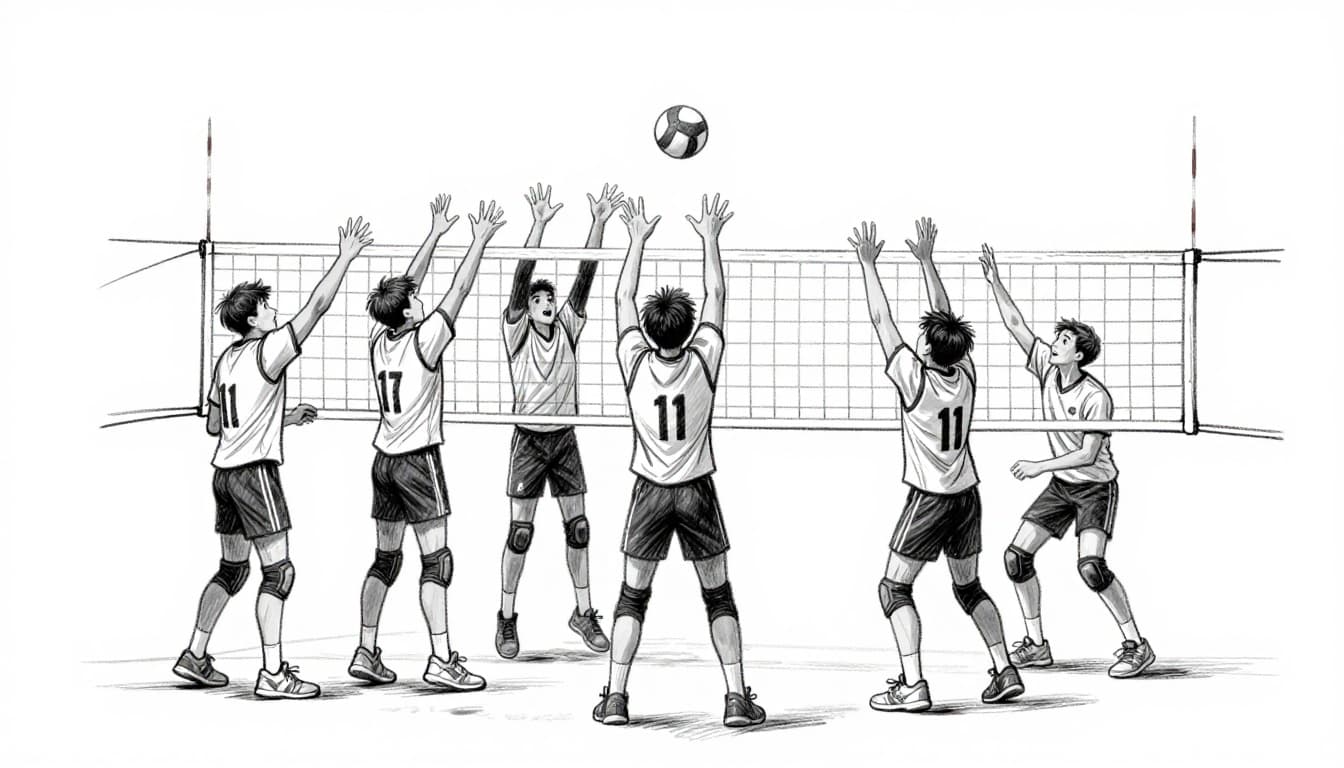
Three Hits Per Side: How to Keep the Ball Alive
Max three touches keep rallies short and sharp. First often bumps the serve. Second sets attack. Third spikes over.
Same player cannot touch twice consecutive. Ball crosses between antennas. Or over net clean. Beginners lift balls often. That looks like a carry. Refs call fault.
Instead, snap wrists firm. Ball flies true. Avoid four hits. It loses the point. Watch USA Volleyball rules page for visuals.
Score Big: How Points, Sets, and Matches Work
Rally scoring awards points every play. Win the rally, get the point. And the serve. No side outs needed. Games speed up.
Sets go to 25 points. Win by two. First four sets follow this. Fifth hits 15, still by two. Best of five sets takes the match. Coin flip picks first serve.
Close games thrill. Teams tie at 24. Play extra until one leads by two. Track scores loud. It pumps energy.
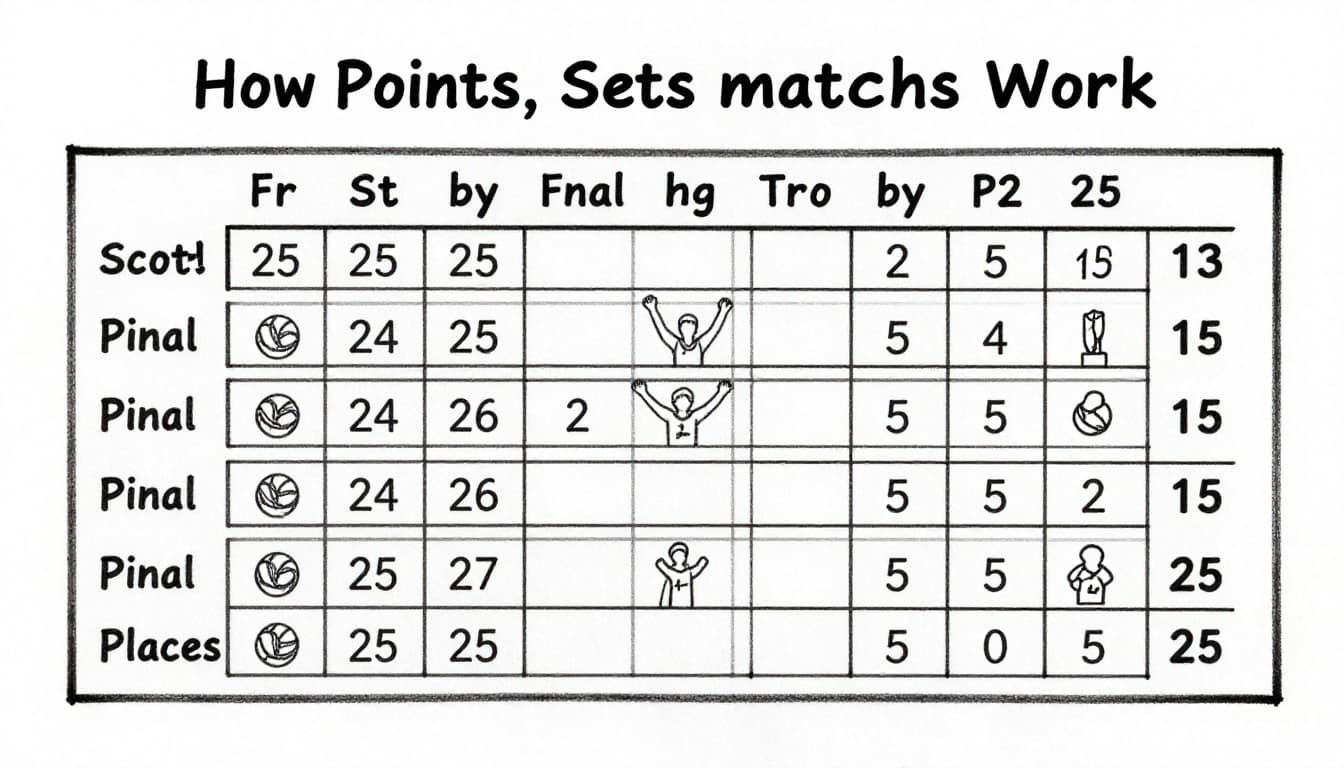
See rally scoring explained for more.
From One Set to Full Match Victory
Matches span sets. Rotations carry over. No resets. Win three sets first.
No big 2026 changes hit basics. Rules stay steady. Teams switch sides at seven points in fifth set. Keeps courts even.
Track sets simple. First to three wins. Celebrate each one.
Dodge These Pitfalls: Common Faults for Beginners
Faults end rallies fast. Ball hits ground. That is out. Or touches outside antennas. Net faults happen on bad hits.
Four hits exceed limit. Double hits by one player count too. Lifts carry the ball up. Back row spikes too close to net fault.
Serve errors give free points. Consequences hurt. Lose rally. Opponents serve next.
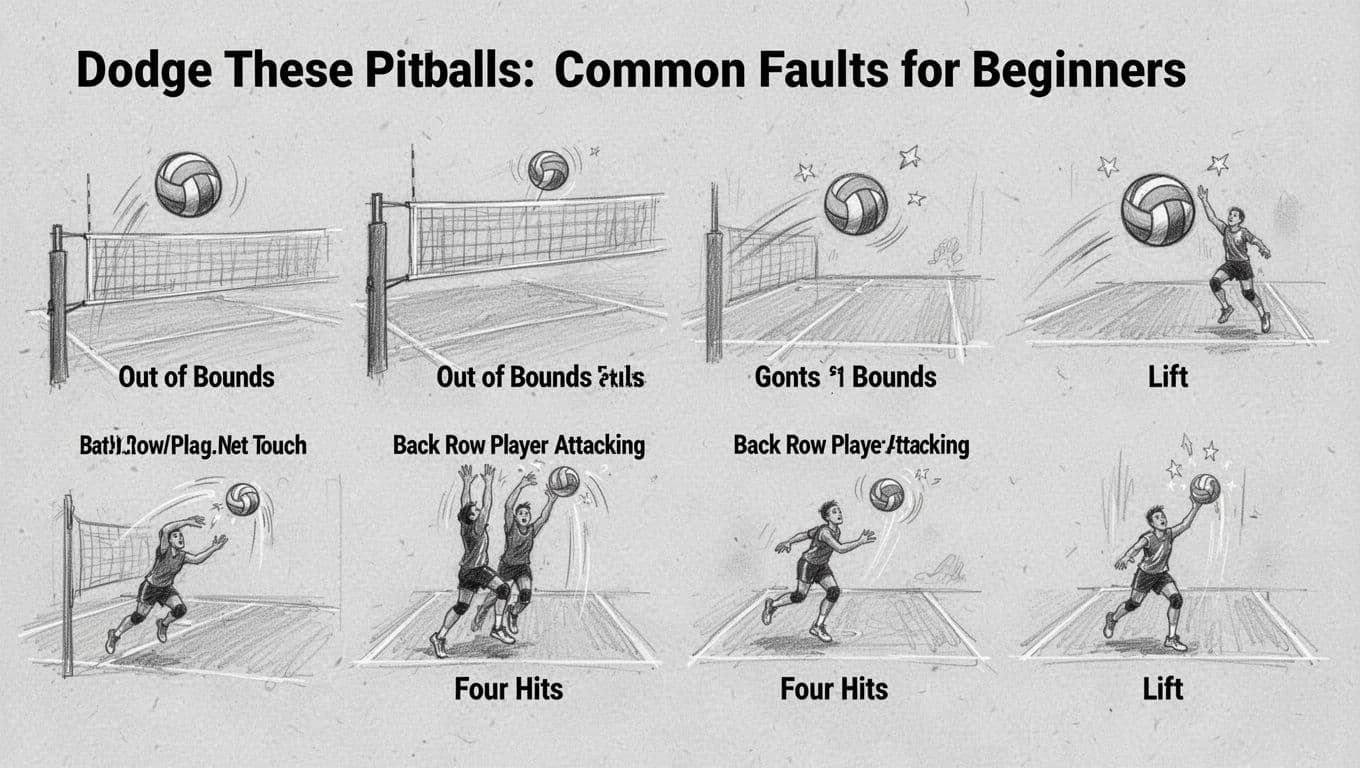
Stay encouraged. Watch ball path close. Call plays early. Faults drop quick. Check serving rotation faults guide to avoid them.
Basic rules cover court, serves, rallies, scores, and faults. Now you play without guesswork. Volleyball packs fun in every hit.
Grab friends for pickup games. Join local leagues or apps like USA Volleyball finders. Share your first match stories in comments. What rule surprised you most? Hit the court. Enjoy the jumps and cheers.