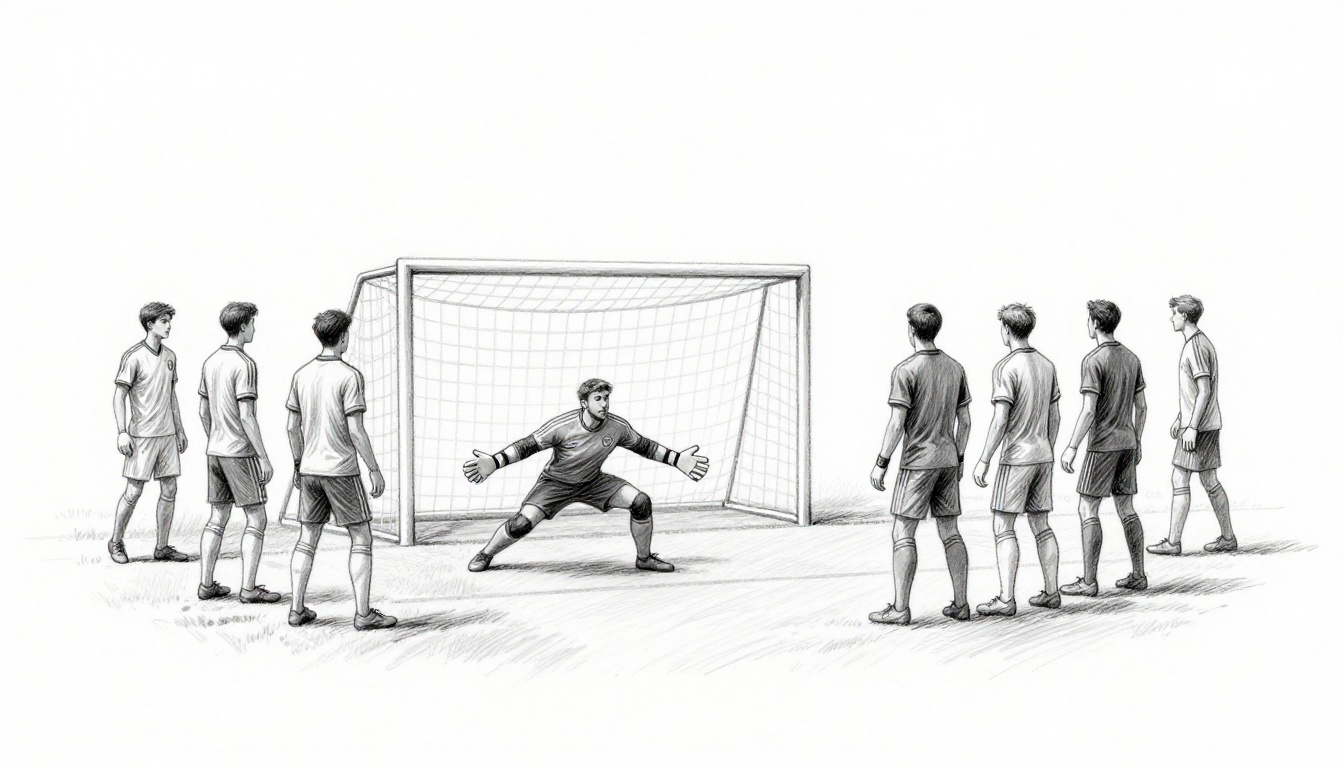
Ever watch a soccer match and wonder why that player in jersey number 10 dances through defenders while number 6 chases every ball? Soccer thrills fans with its speed and strategy. Yet, positions make the magic happen. They turn chaos into teamwork.
You see goalkeepers, defenders, midfielders, and forwards working together. Each has specific jobs, skills, and jersey numbers. Goalkeepers wear 1. Defenders take 2 through 5. Midfielders claim 6 to 8, or 10. Forwards grab 7, 9, and 11.
These roles create balance. A strong defense stops attacks. Midfielders link play. Forwards score. By the end, you’ll spot every player’s purpose. You’ll enjoy games more, like knowing the code behind the action.
The Goalkeeper: Your Team’s Last Line of Defense
The goalkeeper stands alone. This player uses hands inside the penalty box. No one else can. They stop shots on goal. They also shout orders to defenders. Plus, they launch attacks with throws or kicks.
Quick reflexes save the day. Good positioning blocks angles. Strong communication keeps the line tight. Accurate passes start counters fast. Teams pick number 1 for this spot.
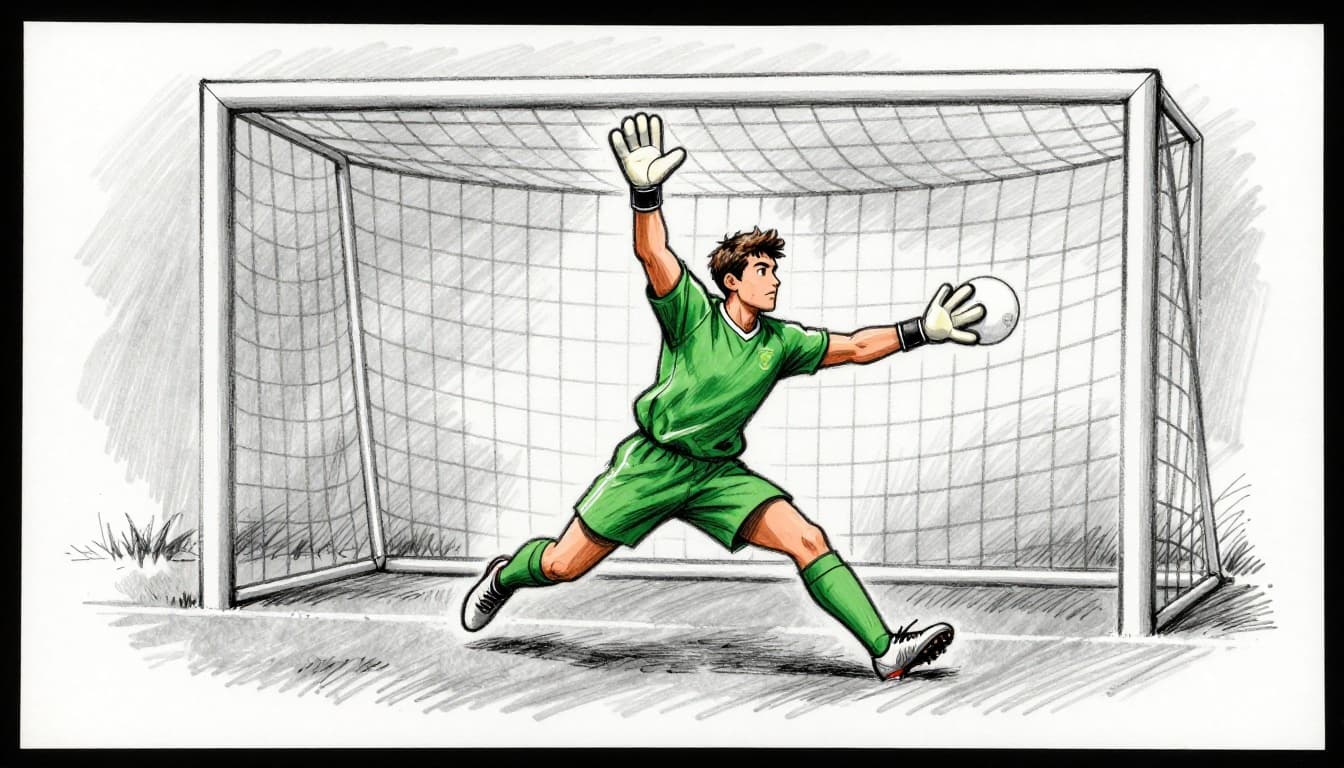
Alisson at Liverpool shows this perfect. He grabs crosses and pings balls to midfield. In tight games, keepers shine. They dive full stretch for impossible saves. Bravery defines them. One wrong move loses matches. So, they train for every angle.
For more on keeper duties, check Red Bull’s beginner guide to soccer positions.
Defenders: Who Stops the Other Team’s Attacks
Defenders form the back wall. They block shots and tackles. They win balls back fast. This group protects the keeper. They read plays ahead. Teams rely on them for clean sheets.
Four usually line up. They mark tight and clear danger. Speed helps chase wingers. Strength wins duels. Passes from back build attacks too.
Center Backs: The Strong Wall in the Middle
Center backs guard the core. Numbers 4 and 5 fit tall players here. They mark strikers close. They win headers easy. Intercepts stop passes cold.
Tackling stays clean. Aerial power rules corners. They pass long to forwards. Virgil van Dijk leads with this. He bosses set pieces for Liverpool.
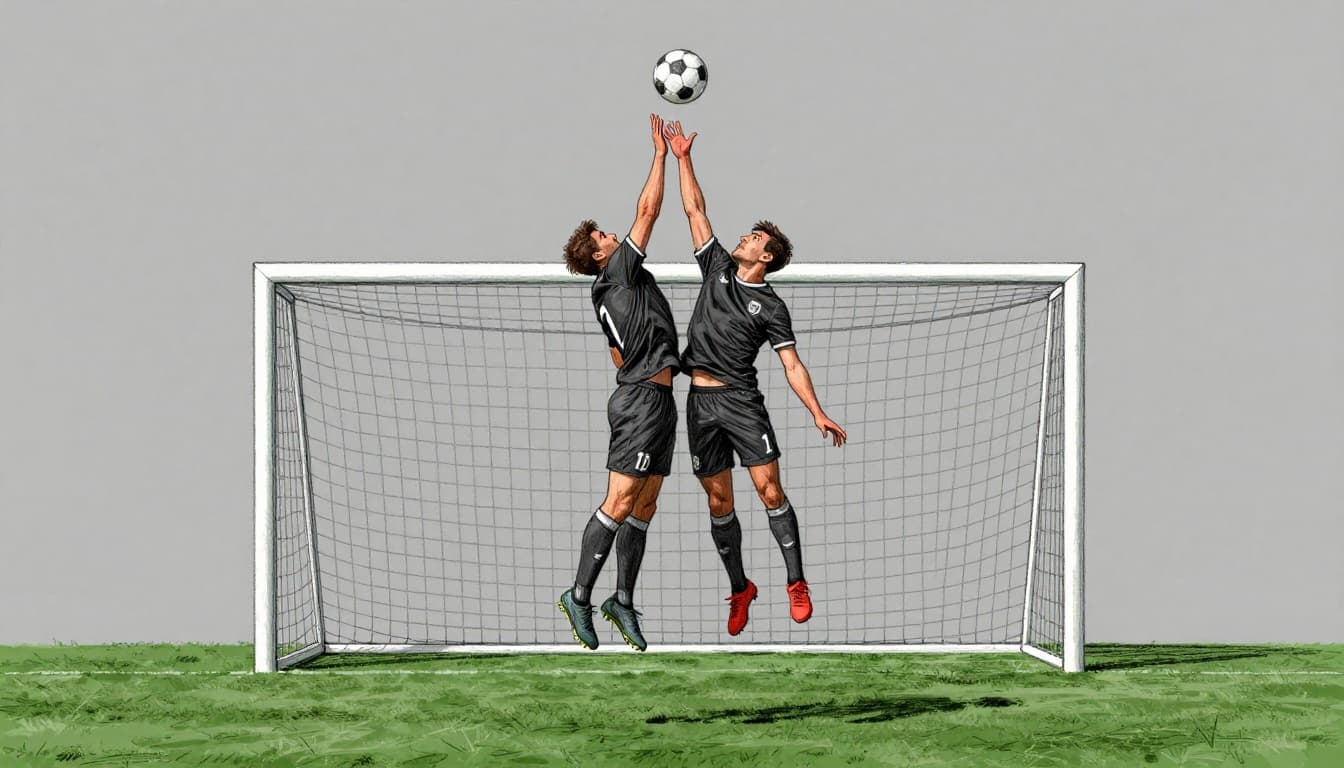
In defense, they stay deep. Yet, they step up smart. This reads the game well.
Full Backs: Speedy Defenders Who Join Attacks
Full backs patrol the wings. Numbers 2 and 3 mark them. Right back stays number 2. Left takes 3. They stop wingers one-on-one.
Speed lets them overlap. They cross balls low or high. Width stretches the play. Trent Alexander-Arnold nails crosses for Liverpool.
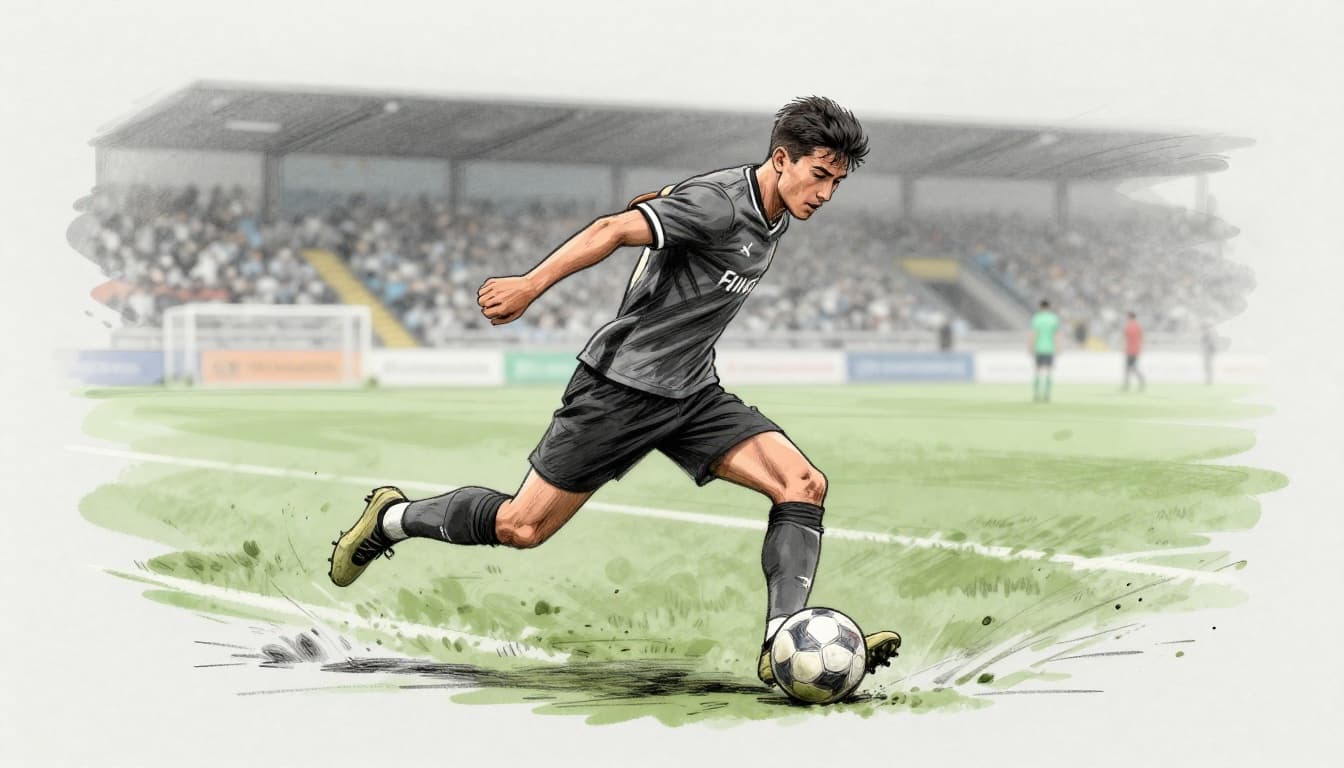
They run full length all match. Defend first, attack second. Fatigue tests them hard. Still, they deliver key assists.
Midfielders: The Engine Room That Runs the Game
Midfielders drive the team. They link defense to attack. They control tempo high and low. Energy runs endless here. They cover most ground.
Four or three often play. They press and pass. Vision spots runs ahead. This heart beats steady.
Defensive Midfielders: Breaking Up Plays as Number 6
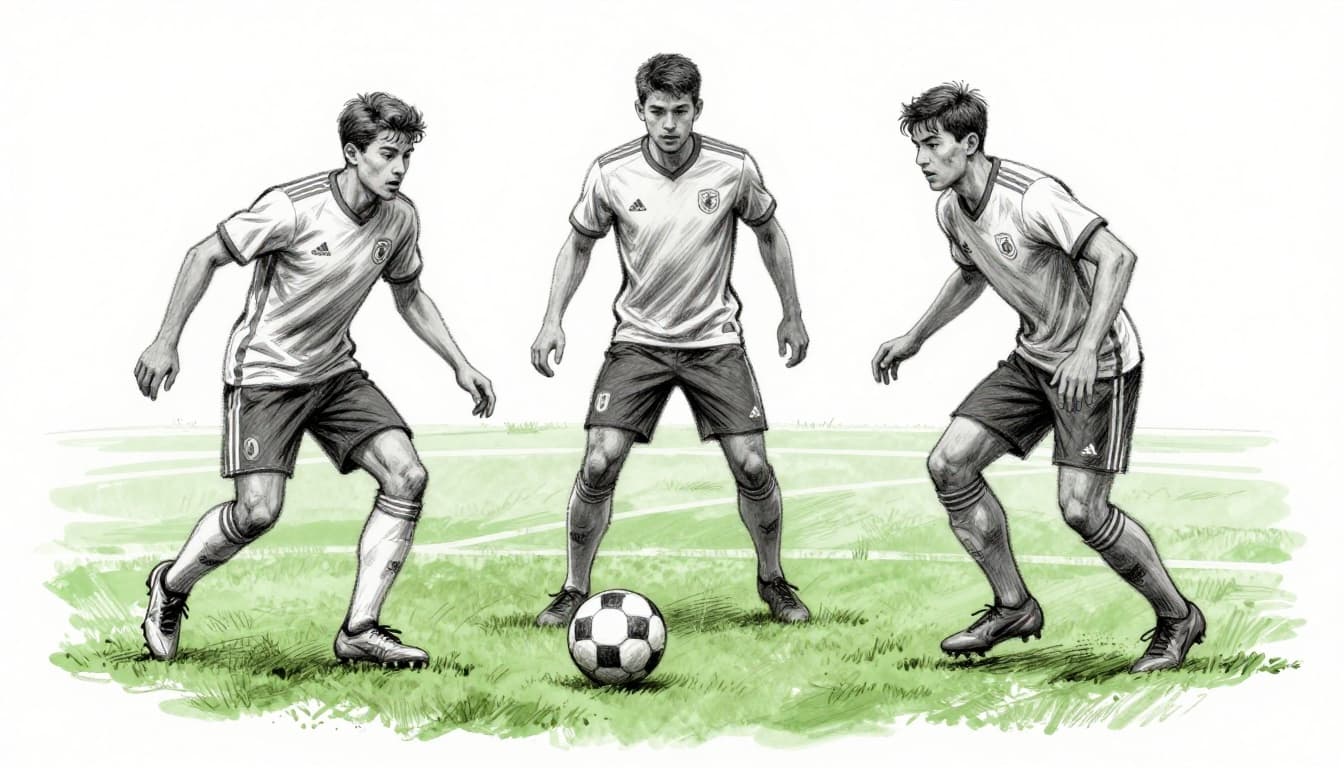
Number 6 shields the back. Defensive mids tackle hard. They intercept passes quick. Simple balls go forward safe. Work rate stays high always.
Stamina powers them. Tackles win possession back. Vision picks safe options. Casemiro did this for years at Real Madrid. Now, Declan Rice anchors England.
Their job looks dirty. Yet, it wins titles quiet.
Central Midfielders: Dictating Play as Number 8
Number 8 connects everything. They control rhythm smooth. Chances come from their feet. They defend too when needed.
Dribbles beat pressure. Endurance covers grass. Leaders shout orders. Kevin De Bruyne masters this at Manchester City. His passes slice defenses.
Box-to-box types run far. Others sit deeper smart.
Attacking Midfielders: The Creative Number 10
Number 10 creates magic. Playmakers thread key passes. Long shots test keepers. Runs hit the box late.
Finishing adds goals. Dribbles unlock tight spots. Creativity sparks teams. Jamal Musiala dazzles for Bayern. Jude Bellingham blends this with power now.
They pull strings from deep.
Forwards: Turning Chances into Goals
Forwards hunt goals. They stretch defenses wide. They finish team moves clean. Pressure starts here too.
Two or three lead lines. Speed beats lines. Strength holds play up. Shots fly true often.
Strikers: The Deadly Number 9 Finishers
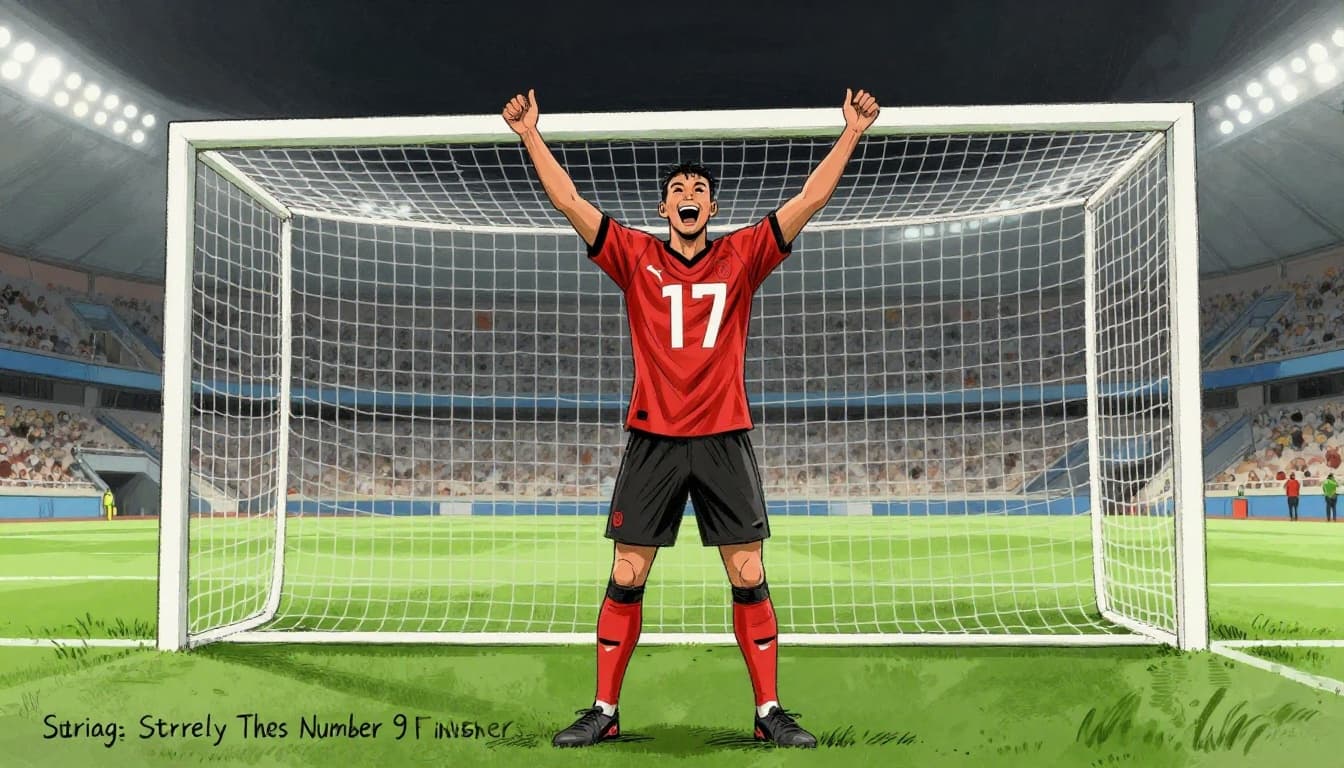
Number 9 leads the charge. Strikers score most. They hold balls strong. Runs time perfect.
Shooting stays deadly. Power shrugs markers. Speed exploits gaps. Erling Haaland smashes nets for Manchester City. Target men battle air. Poachers lurk smart.
Types vary by team need.
Wingers: Fast Flank Runners as Numbers 7 and 11
Wingers hug touchlines. Number 7 plays right. 11 takes left. They beat full backs quick.
Crosses feed strikers. Cuts inside shoot left or right. Footwork dazzles crowds. Mohamed Salah cuts in lethal for Liverpool.
Left wingers favor right foot. Right ones go left. Speed rules flanks.
Formations: How All Positions Fit Together
Formations shape the team. Numbers show setup like 4-4-2. Four defenders, four mids, two forwards. Balance rules here.
It defends solid. Two strikers pair well. Mid line presses even.
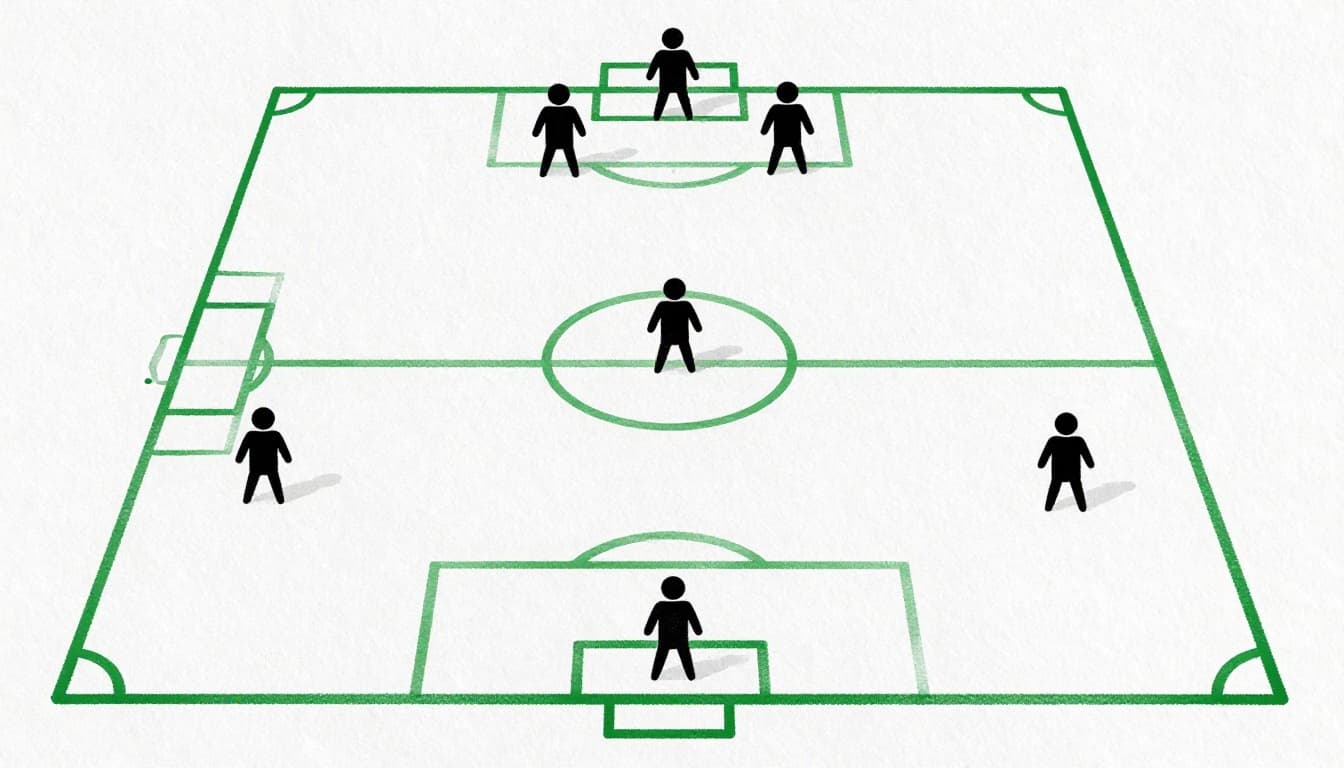
Then 4-3-3 attacks bold. Four back, three mids, three up front. Full backs push high. Wingers wide open space. Liverpool loves this.
| Formation | Defenders | Midfielders | Forwards | Best For |
|---|---|---|---|---|
| 4-4-2 | 4 | 4 | 2 | Balance |
| 4-3-3 | 4 | 3 | 3 | Attack |
These adjust mid-game. See detailed 4-4-2 and 4-3-3 breakdowns.
Soccer Positions in 2026: Fluid Roles and New Trends
Roles blur now. Players switch fast. Full backs like Achraf Hakimi roam midfield or forward. High pressing demands this.
Midfielders score big. Jude Bellingham runs end-to-end for Real Madrid and England. Wingers drop deep. Forwards press high.
Premier League favors 4-3-3. Champions League sees switches to 4-2-3-1. World Cup qualifiers test versatility. Teams win with multi-role stars.
Fans track these shifts. Check Premier League trends for 2026.
Knowing positions boosts your view. You spot teamwork live. Watch next match. Pick roles apart. Try pickup games in different spots.
Share your favorite player below. Who masters their job best? Subscribe for more soccer tips. Enjoy the beautiful game deeper.